Su-miso, Japanese Miso-Vinegar Dip
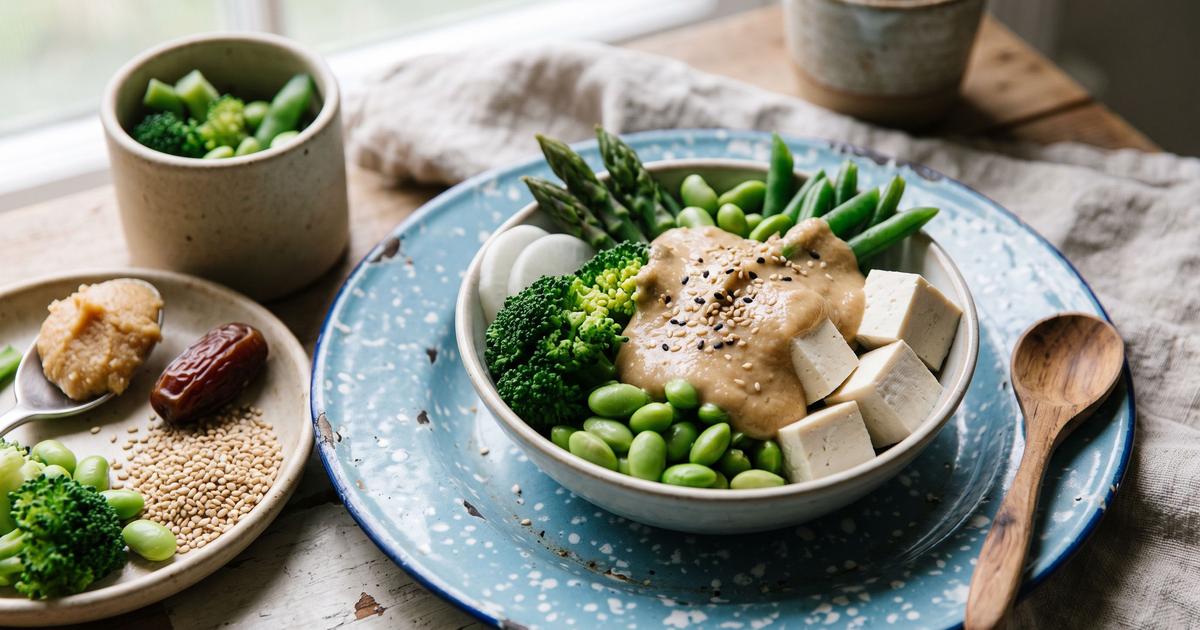
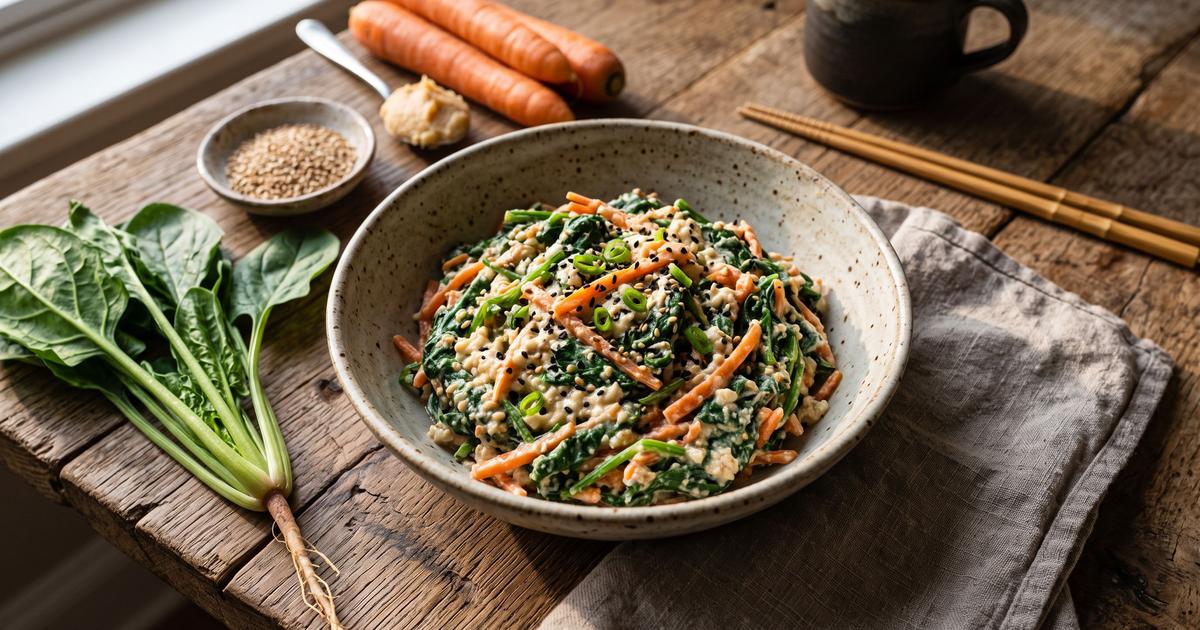
Su-miso, literally vinegar-miso, is a workhorse Japanese dressing and dip, most familiar as the tangy coat on nuta, where blanched vegetables and sometimes tofu are folded into it. It takes minutes to make and turns a plain plate of steamed greens into something worth eating on its own. The balance is sweet, sour, and savory: white miso for the savory salt, rice vinegar for the sour, and here a mashed date for the sweetness that usually comes from mirin or sugar. A touch of mustard sharpens it, and ground sesame gives it richness with no oil. Because miso is salty, treat this as a seasoning to spoon lightly, not a base.
Ingredients
- 3 tbsp White miso
- 2 tbsp unseasoned rice vinegar
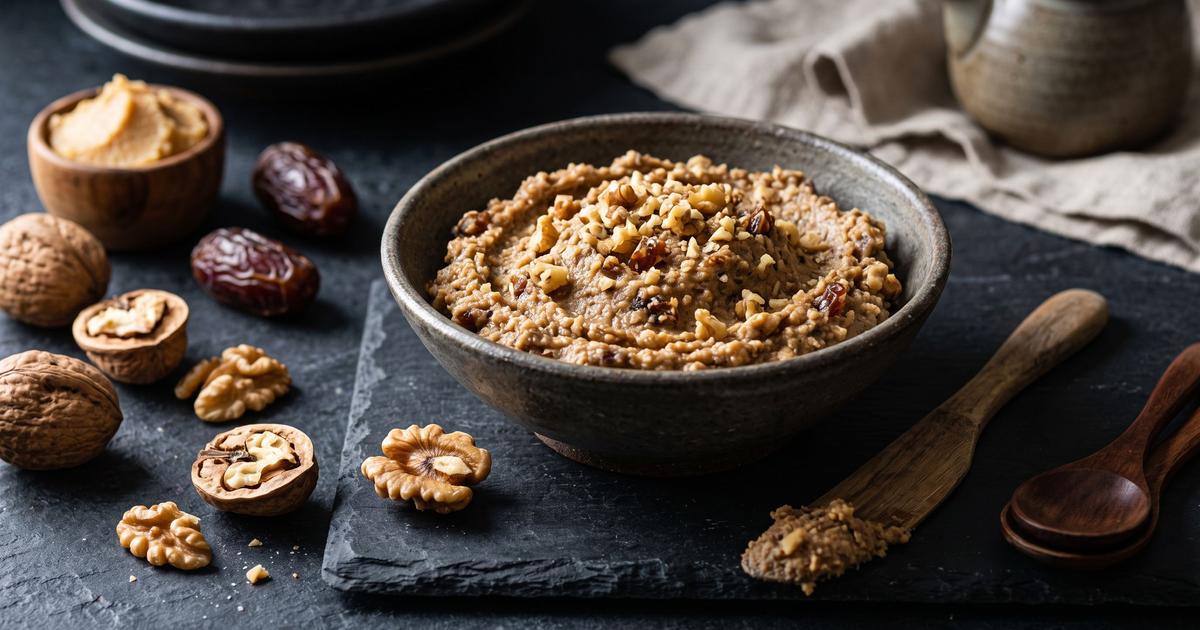
- 1 piece Deglet noor dates, pitted, mashed with 1 tbsp (15 ml) hot water into a paste
- 1/2 tsp Dijon mustard
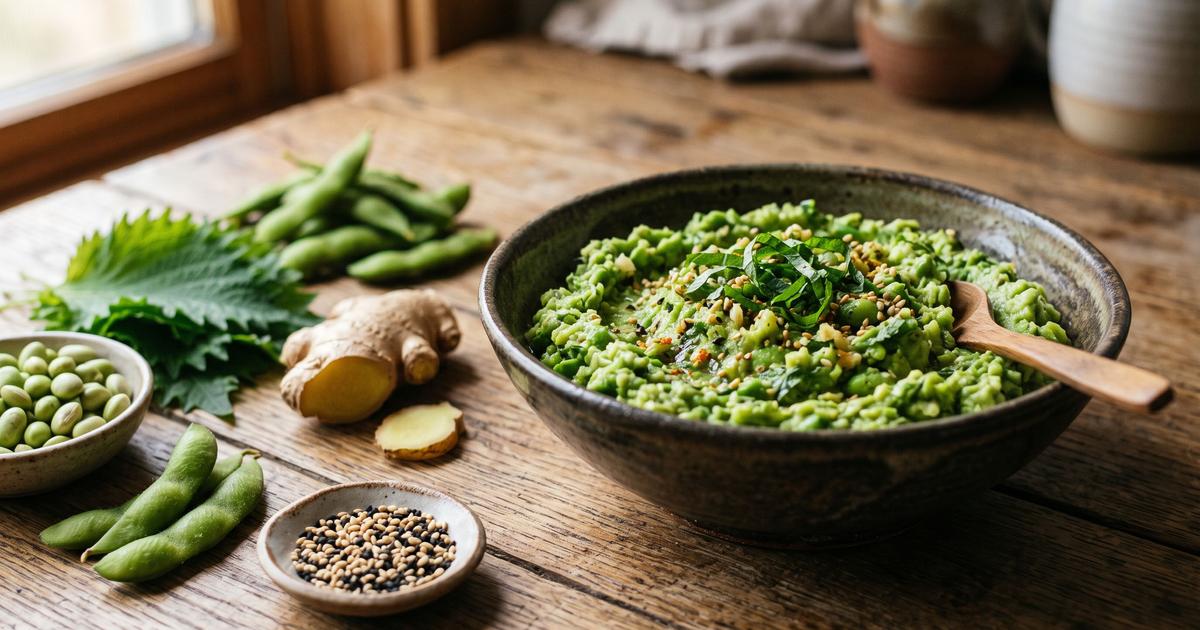
- 1 tbsp Sesame seeds, toasted, then ground
Method
- Whisk the white miso and rice vinegar together in a small bowl until completely smooth. The vinegar loosens the stiff paste into something spoonable, and whisking first, before anything else goes in, keeps the miso from staying lumpy.
- Stir in the mashed date and the mustard. The date brings the gentle sweetness that mirin would in the classic, without any sugar, while a little mustard adds the sharp, sinus-clearing note that karashi gives the traditional karashi su-miso.
- Fold in the ground sesame for body. Grinding the seeds first releases their oil and aroma into the dip so it tastes rich, which is what stands in for the sesame oil you might otherwise reach for.
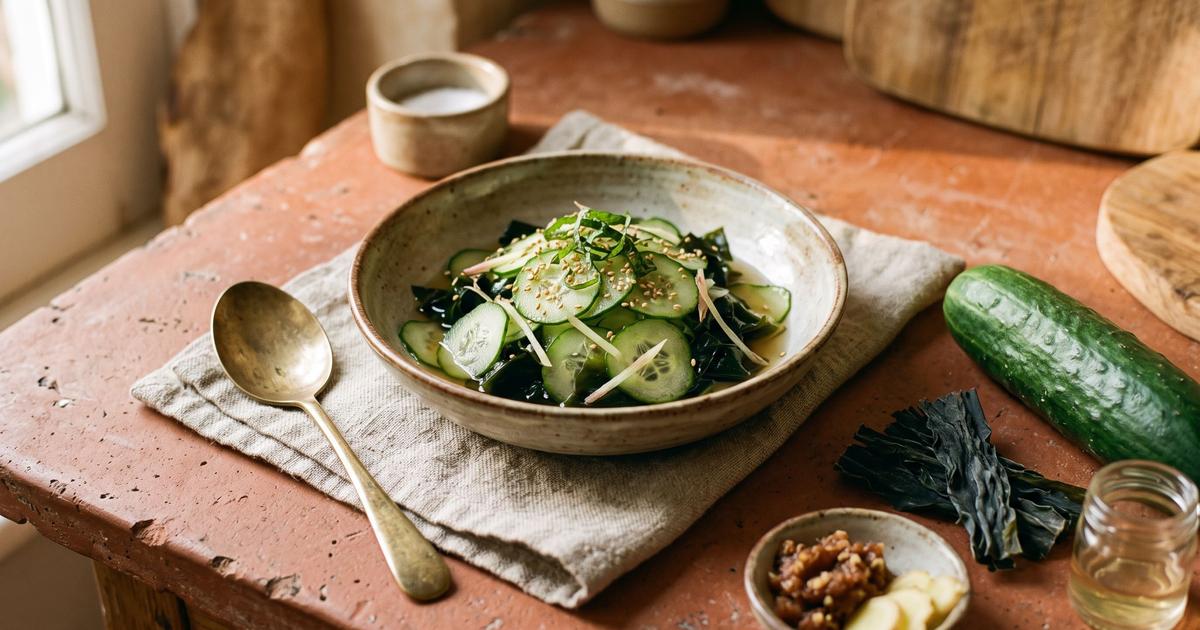
- Spoon it over blanched scallions, wakame, steamed vegetables, or cubes of tofu, the way it dresses a dish of nuta. Miso is concentrated salt, so keep the portions small; a thin drizzle seasons a whole plate, and it keeps a week in the fridge.
Nutrition
Estimated per serving: 45 calories, 2 g protein, 1 g fiber, 320 mg sodium. Computed from USDA FoodData Central reference values for the main ingredients. This is an approximation, not a laboratory measurement. How these are computed.
Cost per serving is estimated from US national-average retail prices for cheap staple forms, using BLS dried-bean prices and USDA produce prices. Prices vary by store and season, so treat it as a guide, not a receipt. How this is computed.