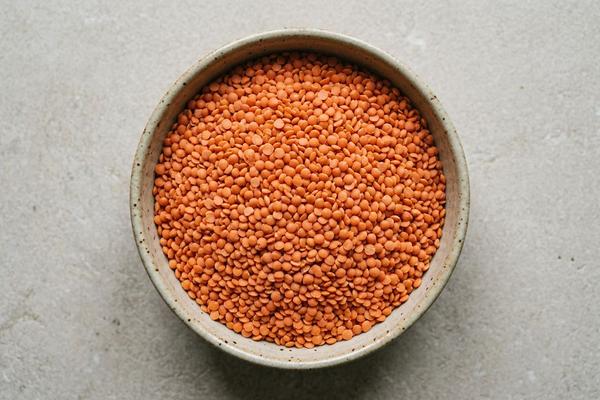
Red lentils masoor dal
Cook in 20 minutes and collapse into a creamy base with no cream.
$ dried  Indian
  Middle Eastern
  Ethiopian
Used in Adai, South Indian Mixed Lentil Pancake and 15 more
 eathealthyandcheap.comv0.25
Nothing here yet. Search above, or tap "I have this" on anything in the pantry below.
The protein spine. Cheapest complete nutrition in the store.
Cook in 20 minutes and collapse into a creamy base with no cream.
$ dried Indian Middle Eastern Ethiopian
Used in Adai, South Indian Mixed Lentil Pancake and 15 more
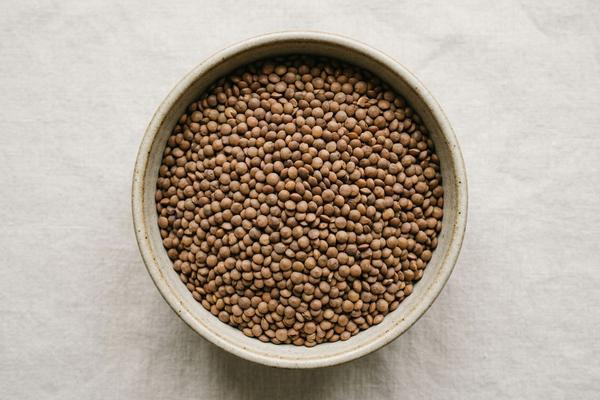
Hold their shape. The default lentil for soups and salads.
$ dried  French Middle Eastern
  American
How to prep: Soaking Dal and Beans
Used in Adas bil Hamod, Lebanese Lentil and Chard Soup and 14 more
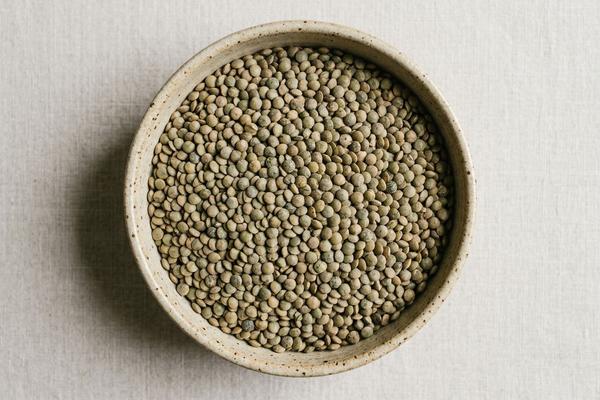
Firmer than brown, nuttier. Good cold.
$ dried French Mediterranean
How to prep: Soaking Dal and Beans
Used in Azifa, Ethiopian Lentil Spread and 6 more
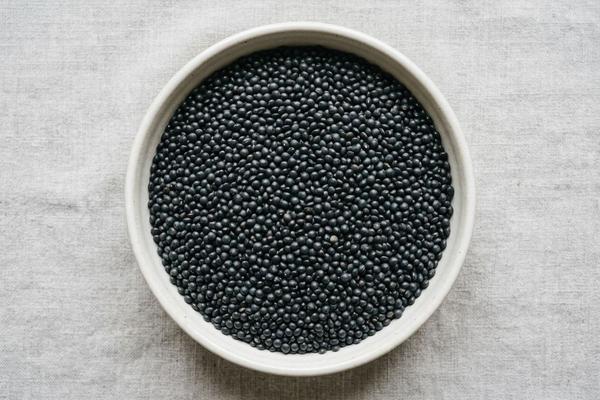
Stay glossy and separate. Best-looking lentil on a plate.
$$ dried French Mediterranean
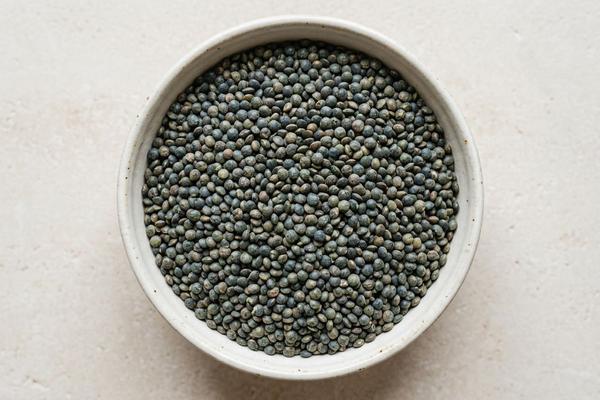
Peppery, never mushy. Worth the premium for salads.
$$ dried French
How to prep: Soaking Dal and Beans
Used in French Green Lentils with Leeks and Mustard and 1 more
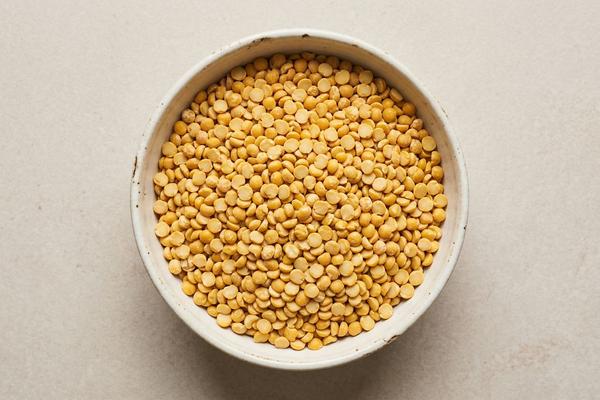
Break down completely. The base of dal and thick soups.
$ dried Indian Ethiopian  European (general)
How to prep: Soaking Dal and Beans
Used in Adai, South Indian Mixed Lentil Pancake and 12 more
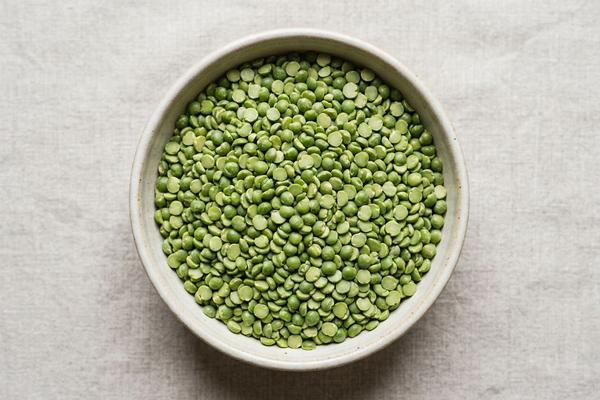
Sweeter than yellow. Classic thick soup with no ham needed.
$ dried American European (general)
How to prep: Soaking Dal and Beans
Used in Split Pea Soup
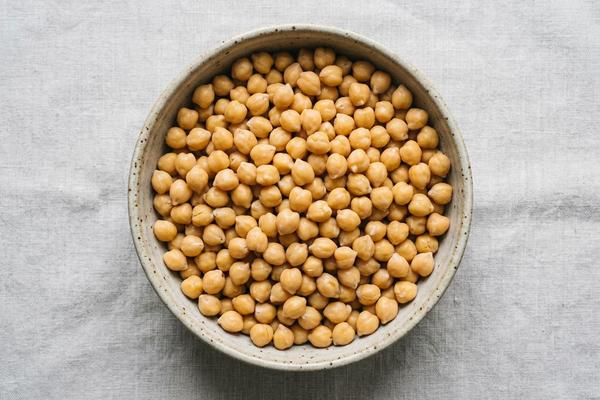
The most versatile bean. Whole, mashed, roasted, or blended.
$ dried, canned Middle Eastern Indian Mediterranean
How to prep: Soaking Dal and Beans
Used in Ajil, Persian Nut and Dried Fruit Mix and 53 more
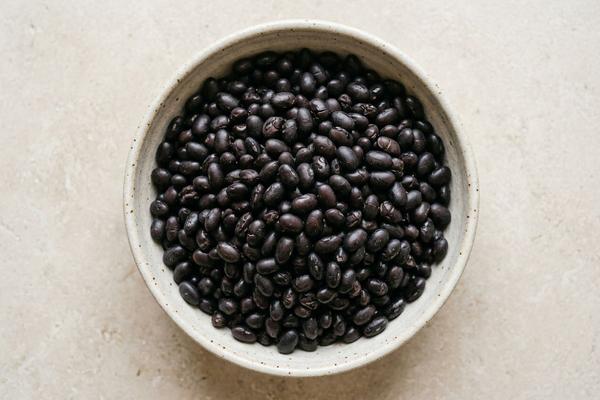
Deep, earthy. Anchor of Latin American cooking.
$ dried, canned  Mexican
  Brazilian
  Caribbean
How to prep: Soaking Dal and Beans
Used in Black Beans with a Toasted Chile Sofrito and 18 more
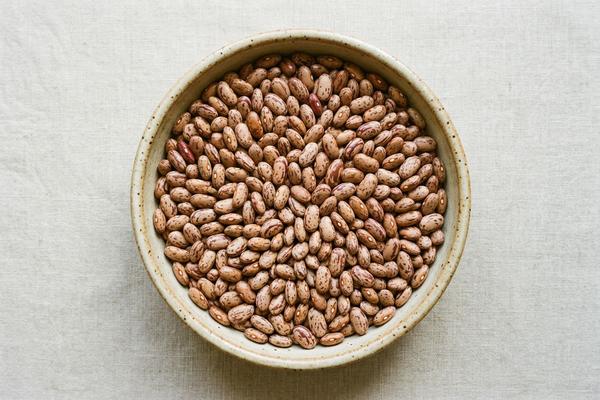
Creamy when cooked long. Refry them in their own liquid, not lard.
$ dried, canned Mexican American
How to prep: Soaking Dal and Beans
Used in Barbunya Pilaki, Turkish Stewed Cranberry Beans and 8 more
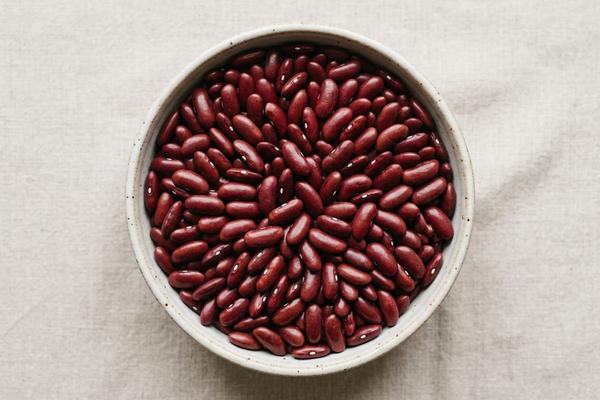
Firm, holds up in chili. Must be boiled hard, never slow-cooked from raw.
$ dried, canned Indian Caribbean American caution
How to prep: Soaking Dal and Beans
Used in Ash-e Reshteh, Persian Noodle Soup and 11 more
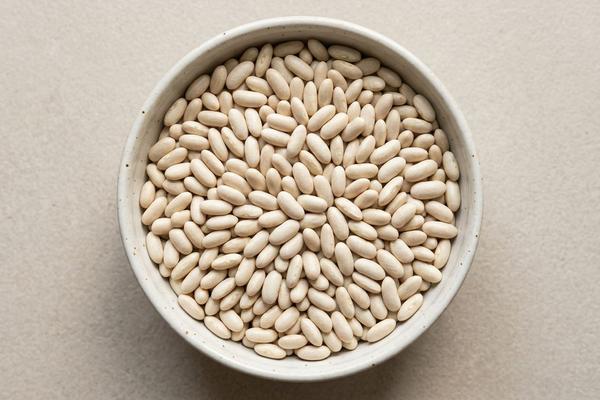
Silky. Blends into the smoothest bean cream of any white bean.
$ dried, canned  Italian Mediterranean
How to prep: Soaking Dal and Beans
Used in Acquacotta, Tuscan Vegetable Soup and 38 more
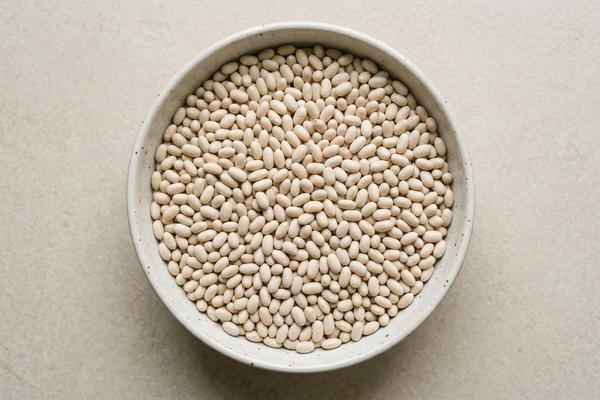
Small, mild, cooks fast. Best for baked-bean style dishes.
$ dried, canned American  British
How to prep: Soaking Dal and Beans
Used in Aşure, Turkish Noah's Pudding and 3 more
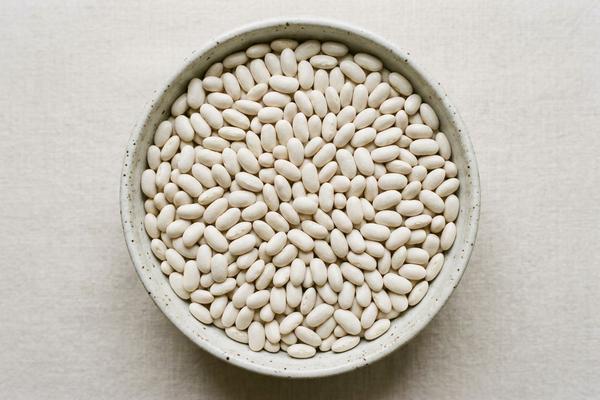
Between navy and cannellini. Mild and forgiving.
$ dried, canned American French
How to prep: Soaking Dal and Beans
Used in Barley and Root Vegetable Hotpot and 4 more
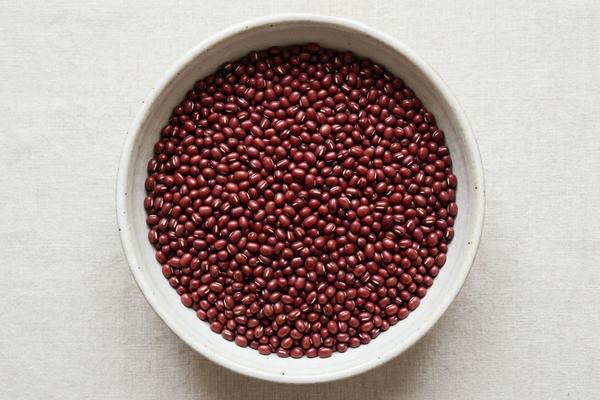
Slightly sweet. Used savory in China, sweet in Japan.
$$ dried  Japanese
  Chinese
  Korean
How to prep: Soaking Dal and Beans
Used in Azuki-gayu, Japanese Red Bean Rice Porridge and 5 more
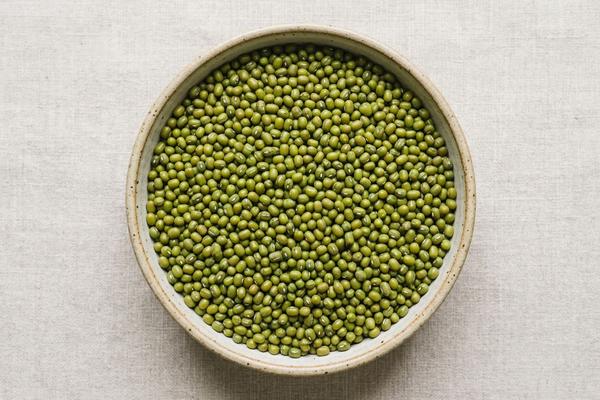
Cook in 25 minutes without soaking. Sprout them for free greens.
$ dried Indian Chinese Korean
How to prep: Soaking Dal and Beans
Used in Bubur Kacang Hijau, Indonesian Mung Bean Porridge and 18 more
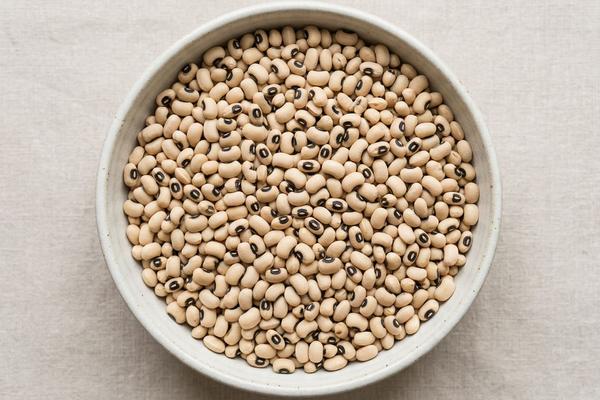
No soak needed. Earthy, quick, cheap.
$ dried, canned American  West African Indian
How to prep: Soaking Dal and Beans
Used in Baião de Dois, Brazilian Rice and Beans and 11 more
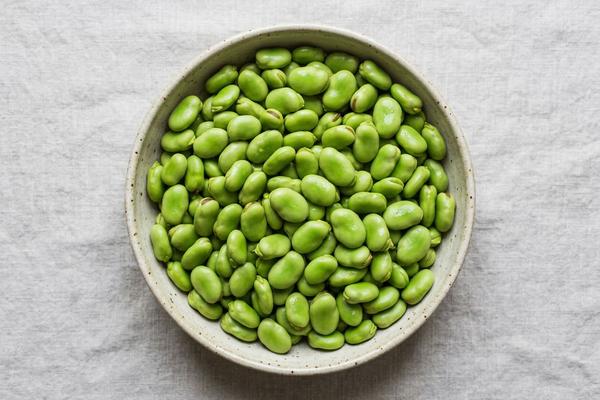
Meaty and assertive. Peel the skins for anything delicate.
$$ dried, frozen  North African Middle Eastern Mediterranean
How to prep: Soaking Dal and Beans
Used in Ají de Habas, Andean Fava Beans in Aji Amarillo and 18 more
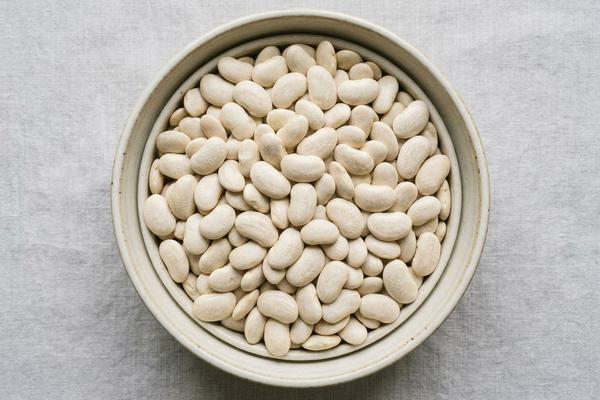
Buttery texture with no butter. Frozen beats dried here.
$ frozen, dried American  Peruvian
How to prep: Soaking Dal and Beans
Used in Gigantes Plaki, Greek Baked Beans and 5 more
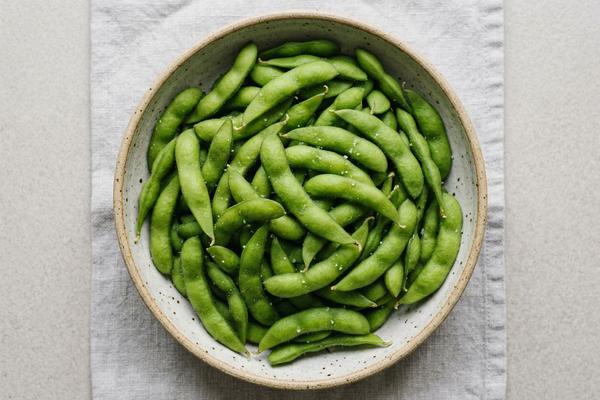
Complete protein, ready in five minutes from frozen.
$$ frozen Japanese Chinese
Used in Edamame with Toasted Sesame and Togarashi and 4 more
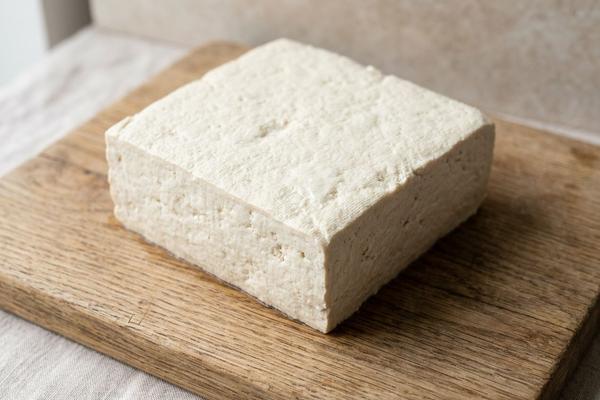
Press it, freeze it, then thaw for a chewy texture nothing else gives.
$ fresh Chinese Japanese Korean
How to prep: Whole-Food Substitutions
Used in Adobong Sitaw, Filipino Long Beans in Vinegar and Garlic and 27 more
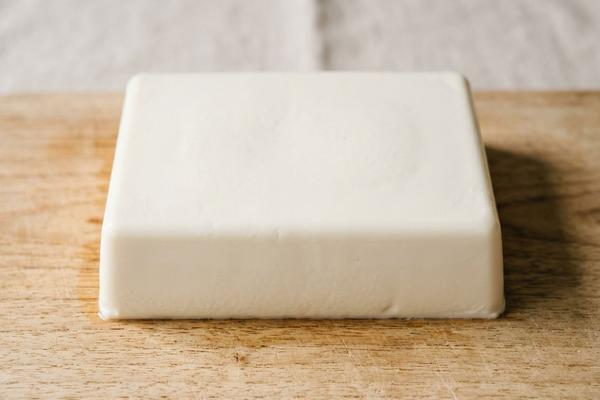
Blends into sauces and puddings. Replaces cream and eggs at once.
$ fresh Chinese Japanese
Used in Canh Cai, Vietnamese Mustard Green and Tofu Soup and 14 more
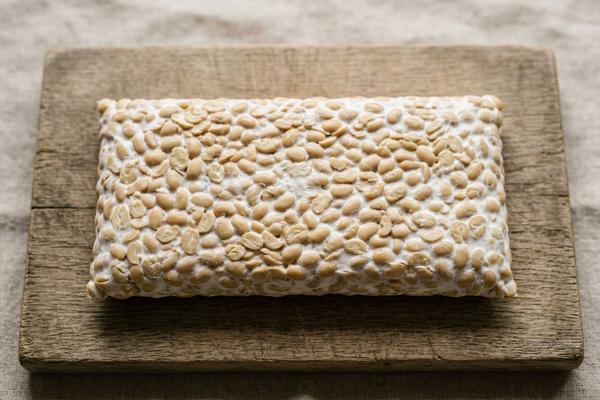
Fermented, nutty, holds shape. Steam it first to remove bitterness.
$$ fresh  Indonesian American
Used in Miso Ginger Tempeh and Buckwheat Bowl and 2 more
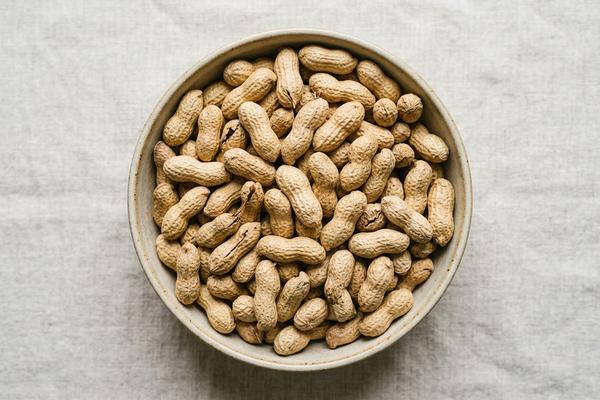
Botanically a legume. Ground into sauces across three continents.
$ raw  Thai West African Chinese whole-food-fat
Used in Ajad, Thai Cucumber Relish and 42 more
Smaller and firmer than tan chickpeas, with more fiber. Hold their shape whole in a loose curry and lend their dark cooking water to the gravy.
$ dried Indian Middle Eastern
Used in Kadala, Sri Lankan Deviled Black Chickpeas and 2 more
Cooks down to a silky thickness that carries sambar and everyday South Indian dal.
$ dried Indian  Sri Lankan Caribbean
Used in Adai, South Indian Mixed Lentil Pancake and 5 more
Intact kernels, not flour. Bulk, fiber, satiety.
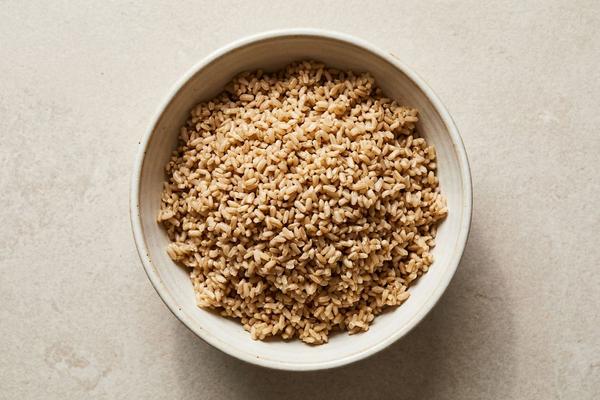
Separate grains. The everyday default.
$ dried American Indian Chinese
Used in Adai, South Indian Mixed Lentil Pancake and 27 more
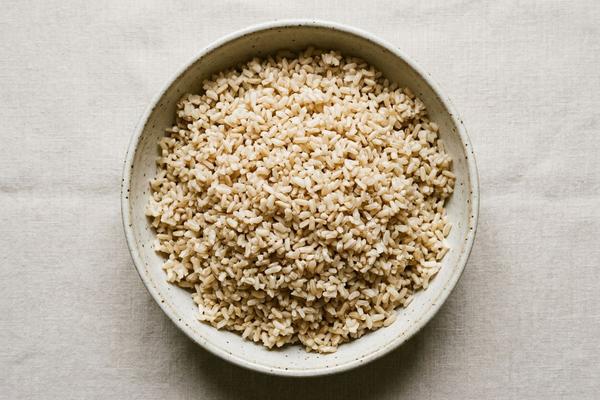
Sticky and chewy. Better for bowls and stuffing.
$ dried Japanese Korean
Used in Arroz Caldo, Filipino Ginger Rice Porridge and 46 more
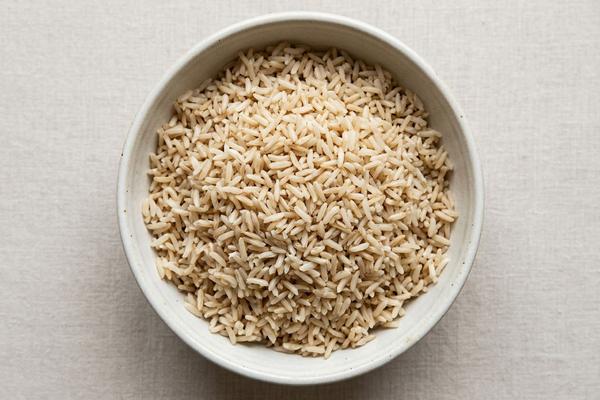
Aromatic and long. The only rice for biryani-style dishes.
$$ dried Indian  Persian
Used in Adas Polo, Persian Lentil and Date Rice and 4 more
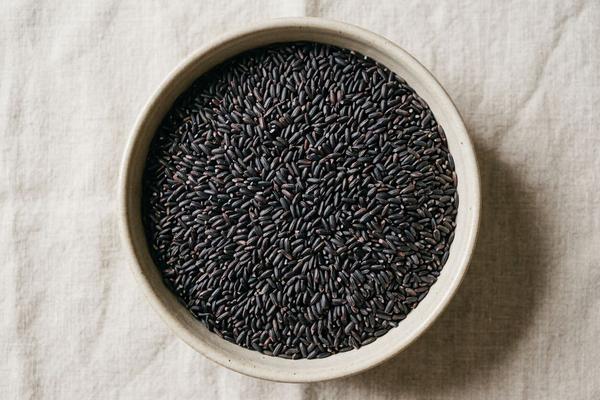
Anthocyanin-rich, dramatic color, nutty.
$$ dried Chinese Thai
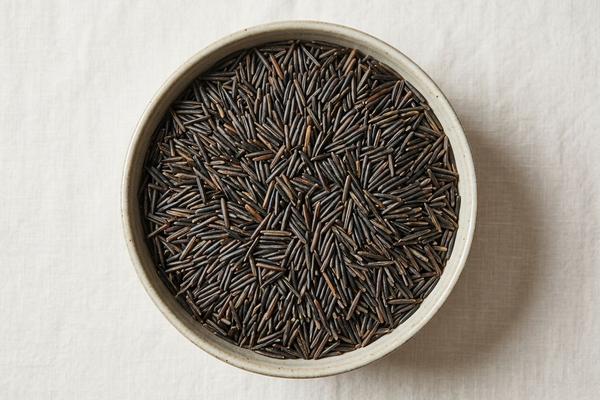
Not rice at all. A grass seed. Chewy, smoky, expensive.
$$$ dried American
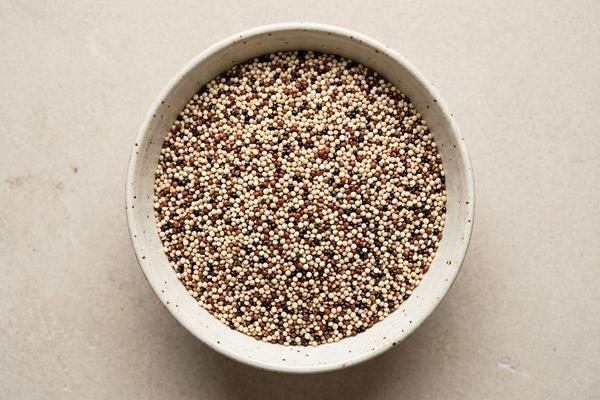
Complete protein and cooks in 15 minutes. Rinse or it tastes soapy.
$$ dried Peruvian American
Used in Chupe de Quinua, Peruvian Quinoa Chowder and 6 more
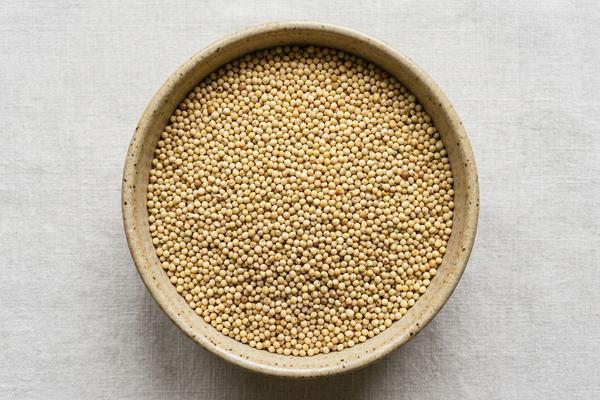
Fluffy like couscous. Massively underused and very cheap.
$ dried Indian West African Chinese
Used in Black-Eyed Pea Stew (Red Red) and 11 more
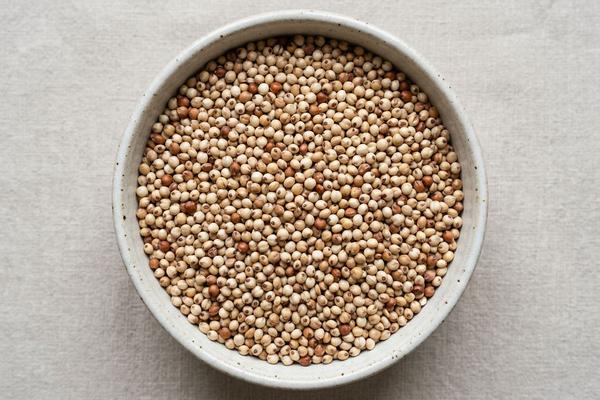
Chewy, pops like popcorn, gluten free.
$ dried Indian West African American
Used in Uji
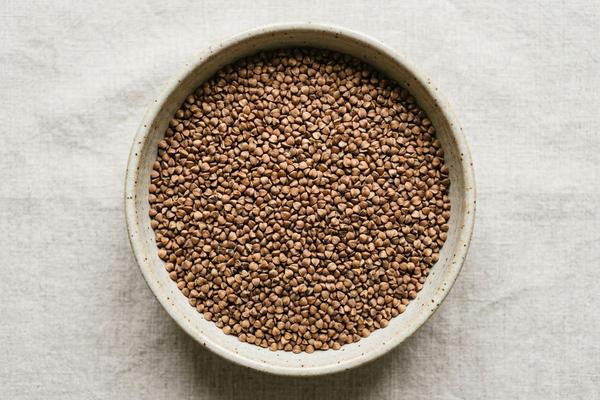
Not wheat. Toast them and they become kasha.
$$ dried  Eastern European Japanese
Used in Buckwheat Porridge with Apple and Walnut and 3 more
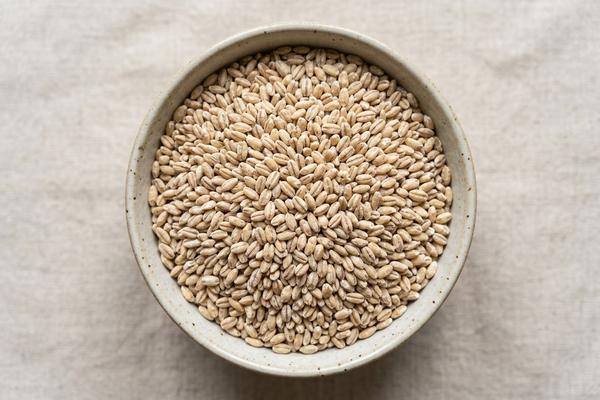
Not pearl barley, which is stripped. Chewy and filling.
$ dried European (general) Middle Eastern
Used in Ash-e Jo, Persian Barley and Herb Soup and 16 more
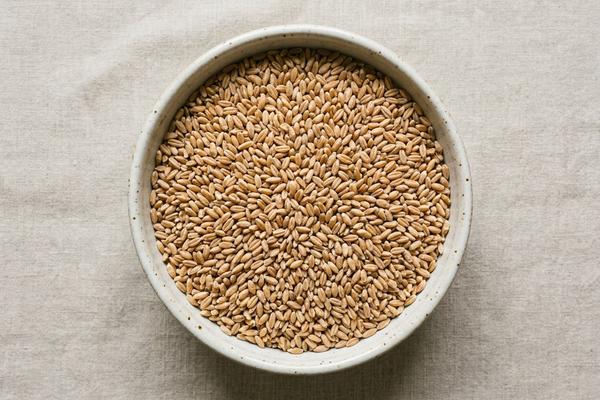
Nutty, toothsome wheat. The best grain for cold salads.
$$ dried Italian Mediterranean
Used in Belila, Egyptian Wheat Berry Porridge and 8 more
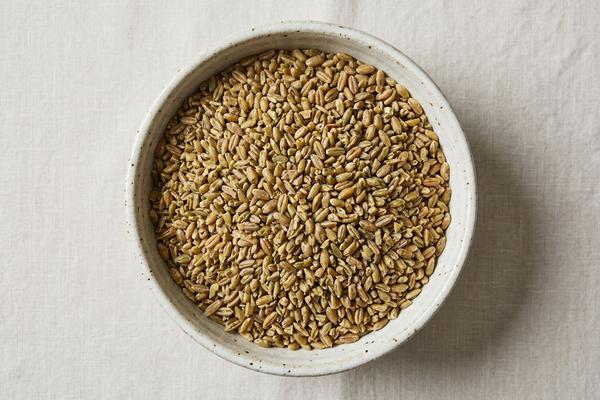
Green wheat, roasted. Smoky without smoke.
$$ dried Middle Eastern
Used in Chorba Frik, Algerian Freekeh Soup and 4 more
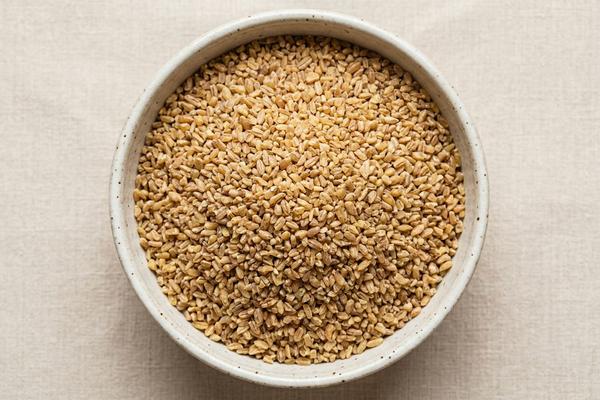
Precooked cracked wheat. Just soak it. Fastest grain here.
$ dried  Turkish Middle Eastern
Used in Batirik, Mersin Bulgur and Walnut Meze and 13 more
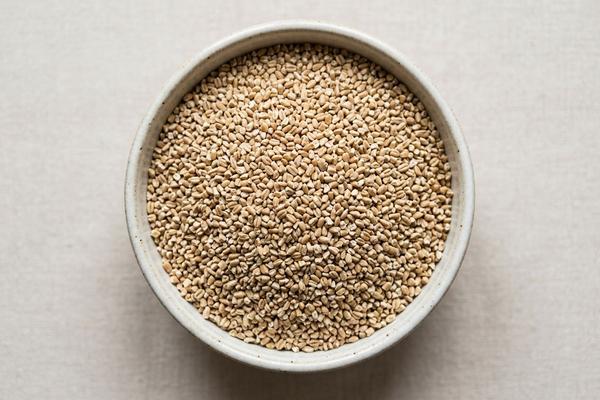
Chewy, savory-capable. Cook them with onions and see.
$ dried British American
Used in Grünkohl, German Braised Kale and 1 more
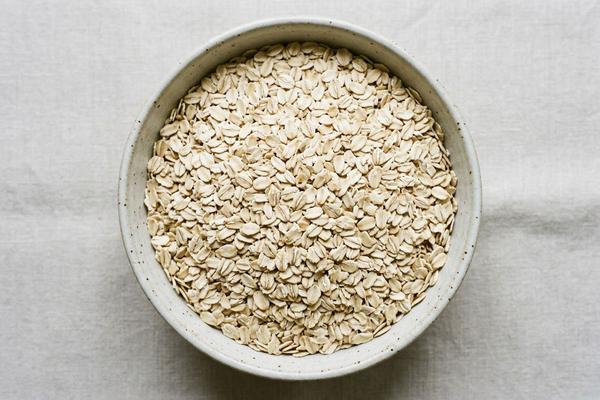
Blend into flour, thicken soups, bind patties.
$ dried American European (general)
Used in Æblekage, Danish Apple and Oat Trifle and 34 more
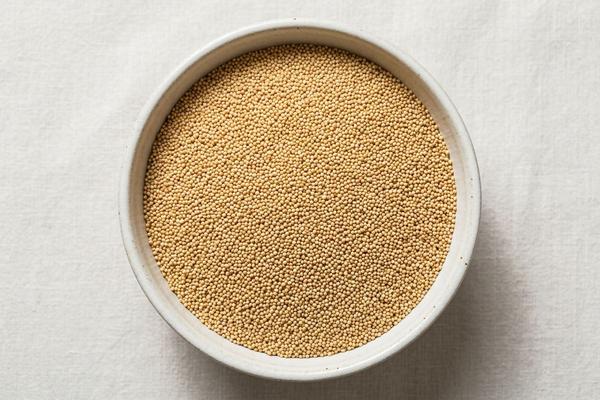
Tiny, sticky, high in lysine. Porridge or popped.
$$ dried Mexican Peruvian Indian
Used in Alegrias, Popped Amaranth and Date Bars and 1 more
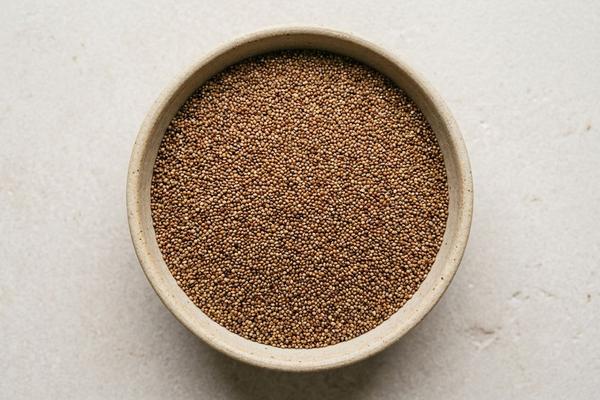
The smallest grain. The base of injera.
$$ dried Ethiopian
Used in Ethiopian Teff Porridge with a Berbere Well and 1 more
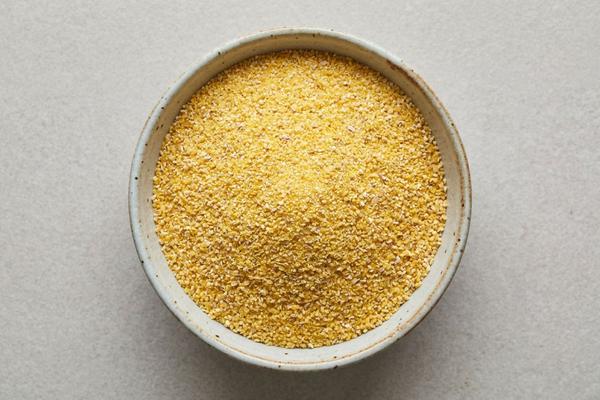
Stone-ground, not instant. Creamy with no butter.
$ dried Italian American
Used in Caribbean Cornmeal Pone and 16 more
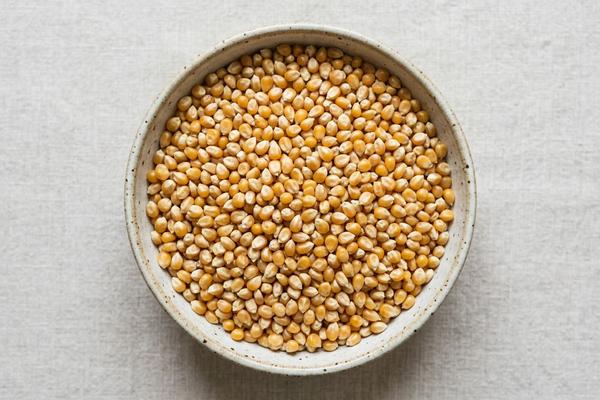
A whole grain snack that costs almost nothing. Air-pop it.
$ dried American
Used in Cheesy Popcorn with Nutritional Yeast and 2 more
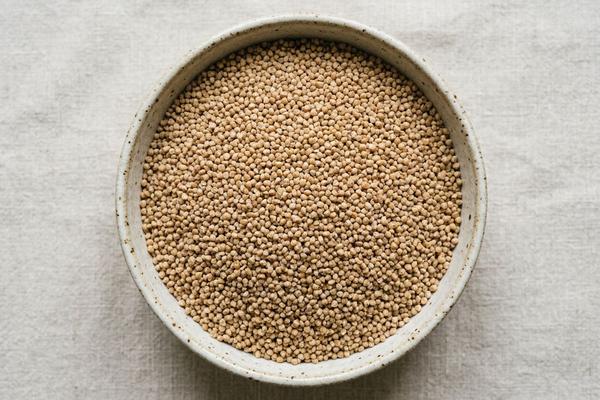
Steamed semolina, technically pasta. Ready in five minutes.
$ dried North African  Moroccan
Used in Chickpea and Apricot Tagine and 5 more
Intact durum wheat instead of refined semolina. Small shapes hold their bite through a long simmer in soup, where regular pasta turns to mush.
$ dried French Italian Mediterranean
Used in Ash-e Reshteh, Persian Noodle Soup and 13 more
Corn kernels treated in an alkaline bath until they puff and split. The entire point of a pot of pozole.
$ canned, dried Mexican check-label
Used in Canjica, Brazilian Hominy Pudding and 6 more
The base of nearly every cuisine. Sweat in water, not oil.
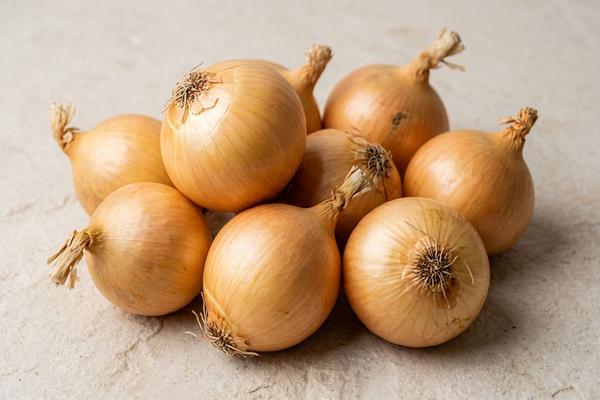
Sweat in water until they collapse. The foundation of everything.
How to prep: Water Cooking, Not Oil
Used in Acquacotta, Tuscan Vegetable Soup and 273 more
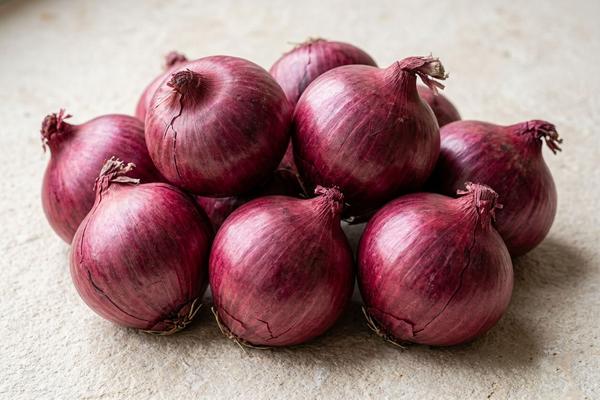
Sharper raw. Quick-pickle them in vinegar for a free condiment.
$ fresh Mexican Indian Mediterranean
How to prep: Water Cooking, Not Oil
Used in Achcharu, Sri Lankan Vegetable Pickle and 113 more
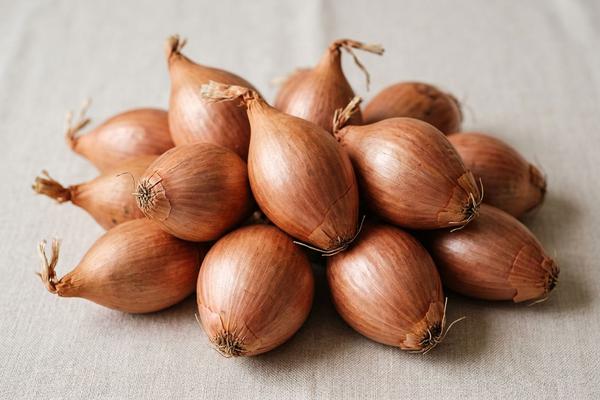
Sweeter, more delicate. Worth it for anything French.
$$ fresh French Thai  Vietnamese
How to prep: Water Cooking, Not Oil
Used in Acar Kuning, Indonesian Turmeric Pickle and 57 more
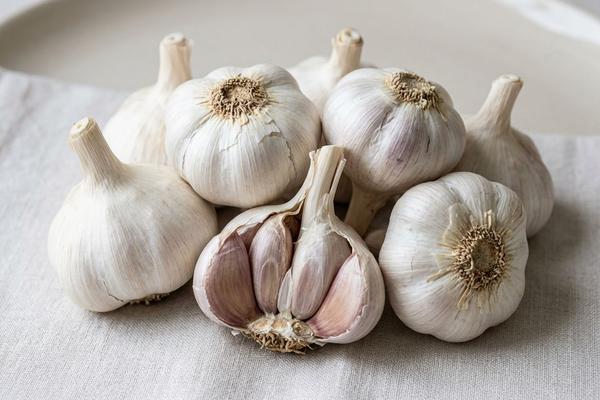
Buy heads, never jarred. Smashed, sliced, and minced are three ingredients.
How to prep: Water Cooking, Not Oil
Used in Acar Kuning, Indonesian Turmeric Pickle and 532 more
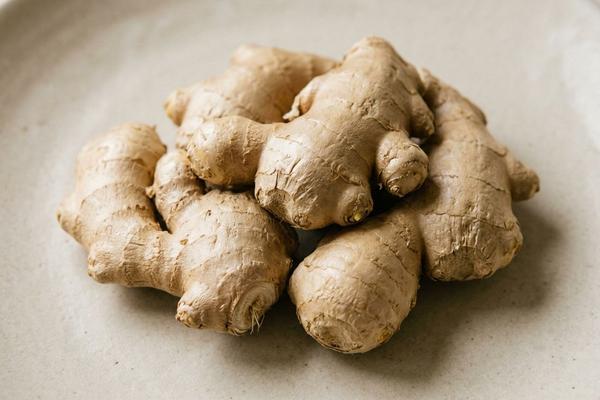
Freeze it and grate from frozen. No peeling, no waste.
$ fresh Indian Chinese Thai
How to prep: Water Cooking, Not Oil
Used in Acar Kuning, Indonesian Turmeric Pickle and 116 more
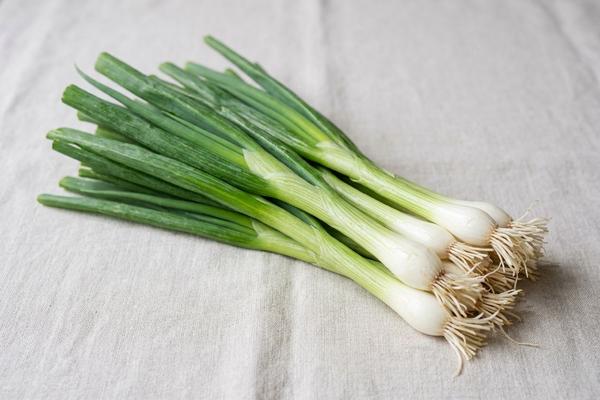
Two ingredients in one. White parts cook, green parts garnish.
$ fresh Chinese Korean Mexican
Used in Ab-Doogh-Khiar, Persian Cold Yogurt Soup and 151 more
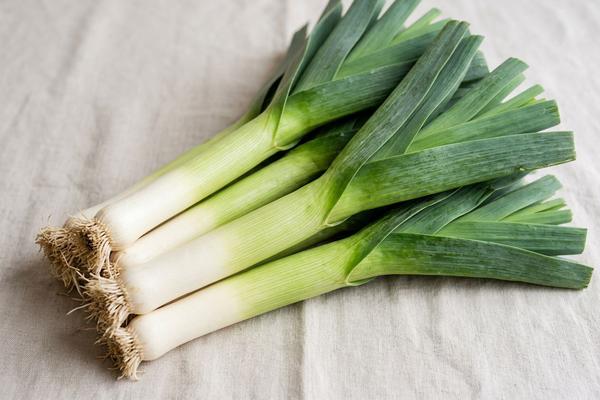
Sweeter and gentler than onion. Wash the grit out of the layers.
$$ fresh French British European (general)
How to prep: Water Cooking, Not Oil
Used in Barley and Root Vegetable Hotpot and 19 more
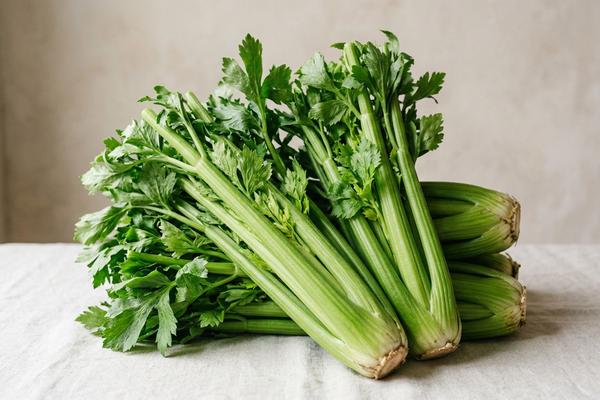
One third of mirepoix and of the Cajun trinity. Never the star.
$ fresh French American
How to prep: Water Cooking, Not Oil
Used in Acquacotta, Tuscan Vegetable Soup and 46 more
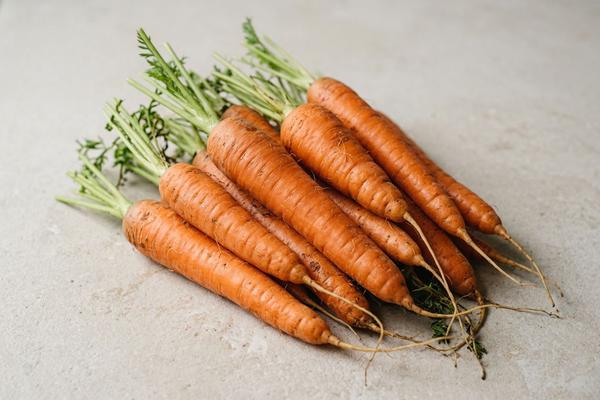
The sweetness in a base that makes salt feel unnecessary.
How to prep: Water Cooking, Not Oil
Used in Achcharu, Sri Lankan Vegetable Pickle and 117 more
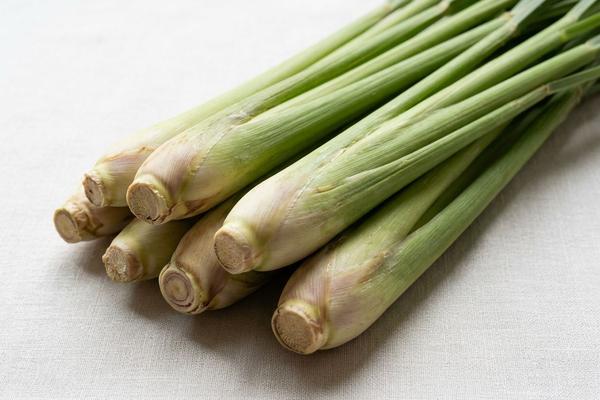
Bruise the stalk, simmer, remove. Citrus without acid.
$$ fresh, dried Thai Vietnamese Indonesian
Used in Green Curry, Coconut-Free and 9 more
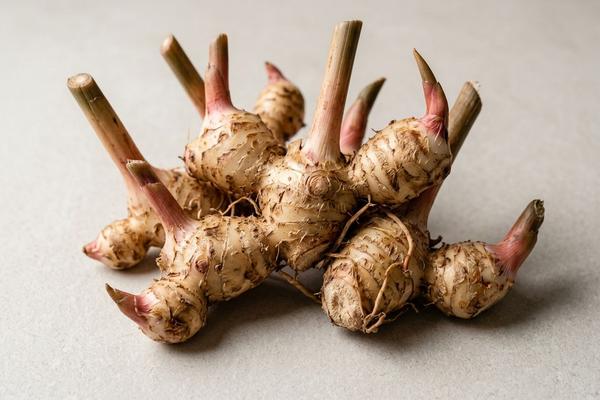
Pine and citrus. Not a ginger substitute despite the resemblance.
$$ fresh, frozen Thai Indonesian
Used in Bumbu Pecel, Javanese Peanut Sauce and 9 more
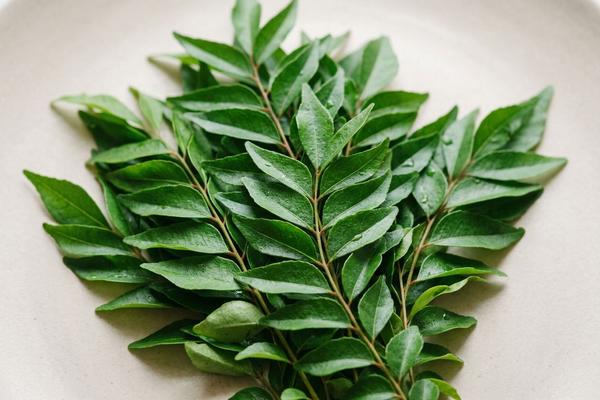
Nothing else tastes like this. Freeze them, they keep for months.
$$ fresh, frozen Indian Sri Lankan
Used in Adai, South Indian Mixed Lentil Pancake and 35 more
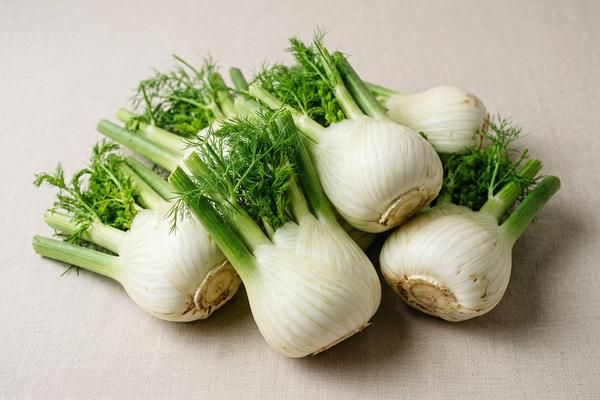
Anise when raw, sweet and mellow when braised.
$$ fresh Italian Mediterranean
Used in Braised Fennel with Thyme and 4 more
Knot a blade into a simmering pot for a grassy, vanilla-edged aroma, then fish it out.
$$ fresh, frozen Sri Lankan Thai Indonesian
Used in Ala Thel Dala, Sri Lankan Deviled Potatoes and 25 more
A floral citrus scent found in no other leaf. Sold frozen, torn straight into the pot rather than chopped.
$$$ fresh, frozen Thai Indonesian
Used in Bumbu Pecel, Javanese Peanut Sauce and 4 more
Fresh, frozen, canned. Frozen is picked riper and costs less.
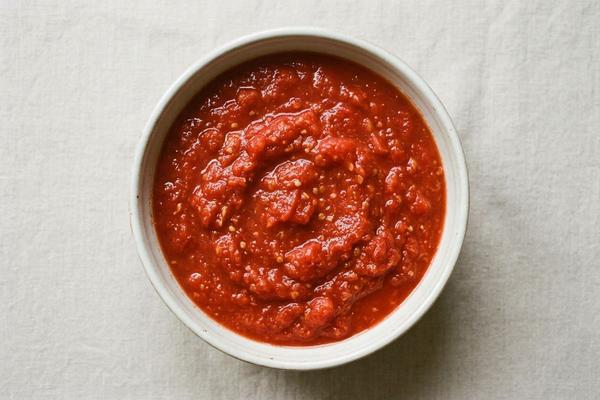
Picked ripe, no oil, cheaper than fresh nine months a year.
$ canned Italian Mexican Indian
Used in Arakas Laderos, Greek Braised Peas and 77 more
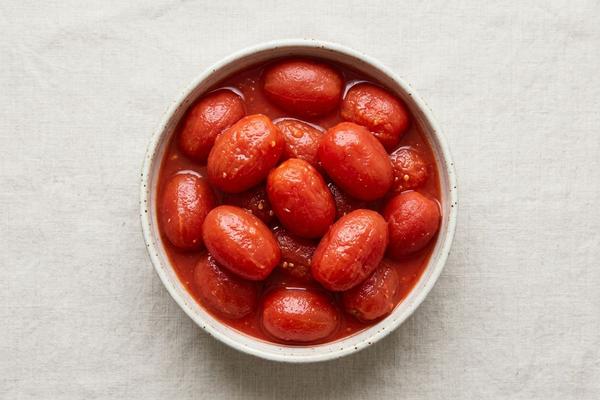
Crush by hand. Better texture than pre-crushed.
$ canned Italian Mediterranean
Used in Acquacotta, Tuscan Vegetable Soup and 7 more
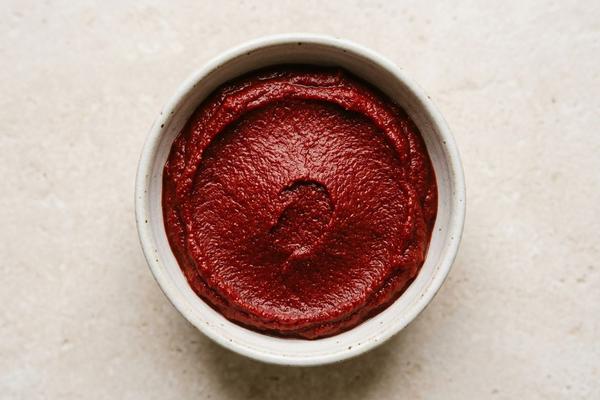
Toast it in the dry pan until brick red. Instant depth.
Used in Arakas Laderos, Greek Braised Peas and 86 more
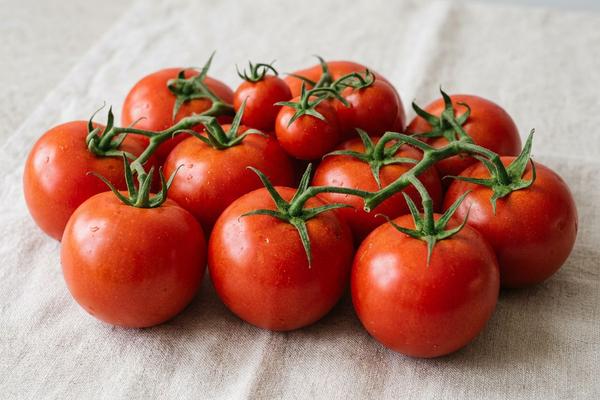
Only in season. Otherwise reach for the can, honestly.
Used in Acılı Ezme, Turkish Spicy Tomato Relish and 121 more
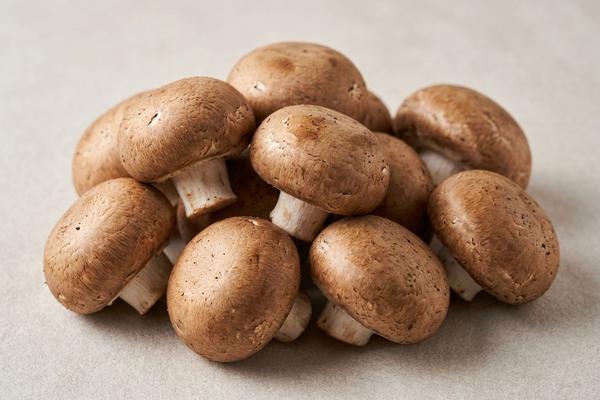
Brown, cheap, meaty. Dry-sear them, do not crowd the pan.
$$ fresh French Italian American
Used in Adobong Kabute, Filipino Mushroom Adobo and 34 more
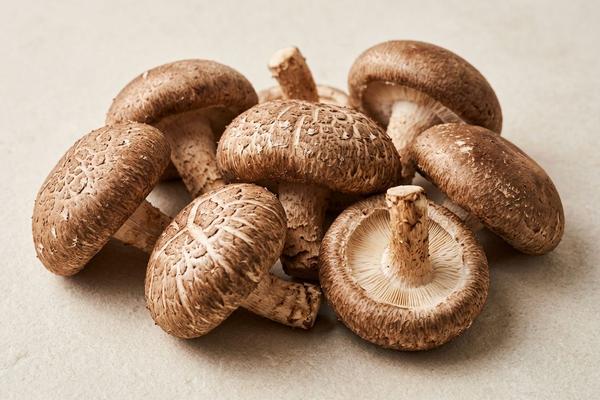
The most savory fungus you can buy. Stems make stock.
$$ fresh, dried Chinese Japanese Korean
Used in Adobong Kabute, Filipino Mushroom Adobo and 6 more
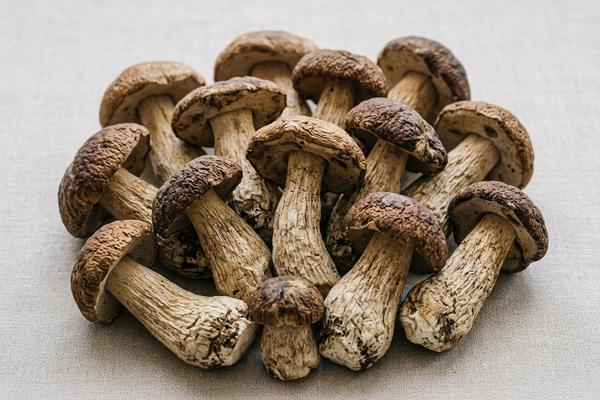
Soak, then use the soaking liquid. That liquid is the point.
$$$ dried Italian French
Used in Krupnik, Polish Barley and Root Vegetable Soup and 4 more
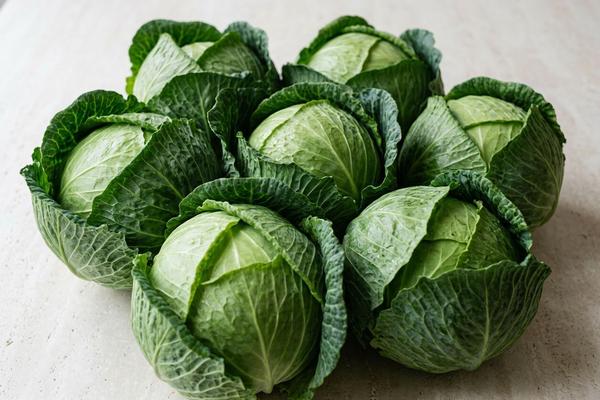
The cheapest vegetable per pound and it keeps for a month.
Used in Achcharu, Sri Lankan Vegetable Pickle and 41 more
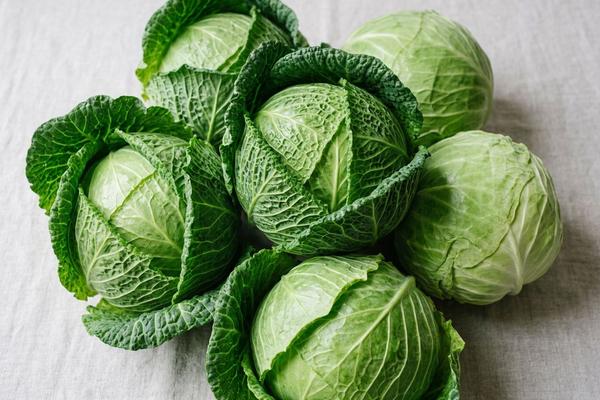
Same price, more anthocyanins. Braise with vinegar to keep the color.
$ fresh  German Eastern European
Used in Braised Red Cabbage (Rotkohl) and 1 more
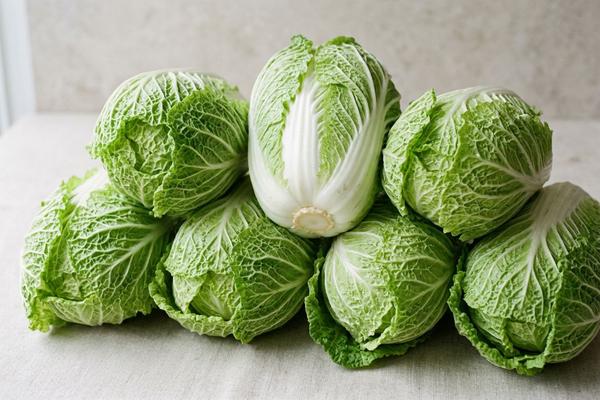
Tender, high water. The kimchi cabbage.
$ fresh Korean Chinese
Used in Baechu-geotjeori, Fresh Napa Cabbage Kimchi Salad and 7 more
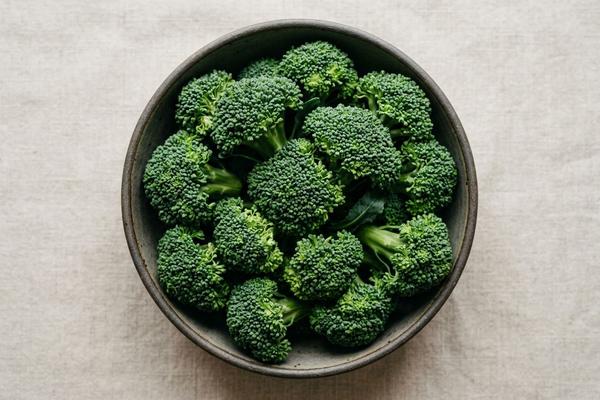
Do not throw out the stems. Peel and slice them.
$ fresh, frozen Chinese Italian American
Used in Amish-Style Broccoli Salad and 1 more
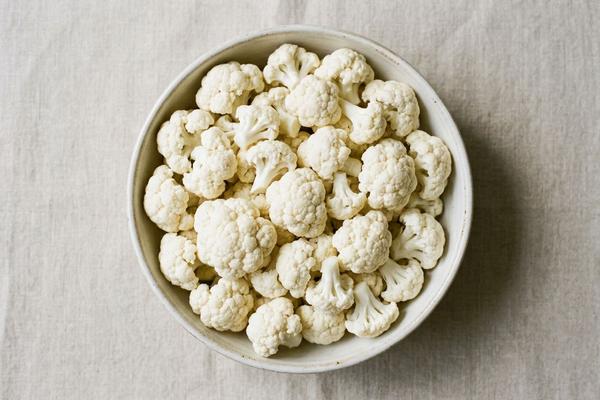
Roast it hard and dry. Blend it for creamy sauces with no cream.
$ fresh, frozen Indian Italian Middle Eastern
Used in Aloo Gobi and 15 more
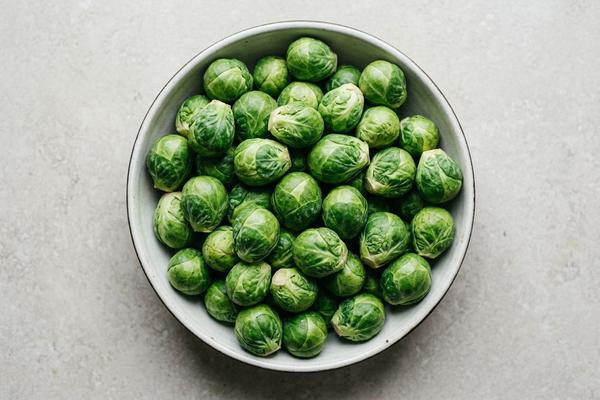
Halve, cut side down, high heat, no oil, do not move them.
$$ fresh, frozen American European (general)
Used in Bubble and Squeak
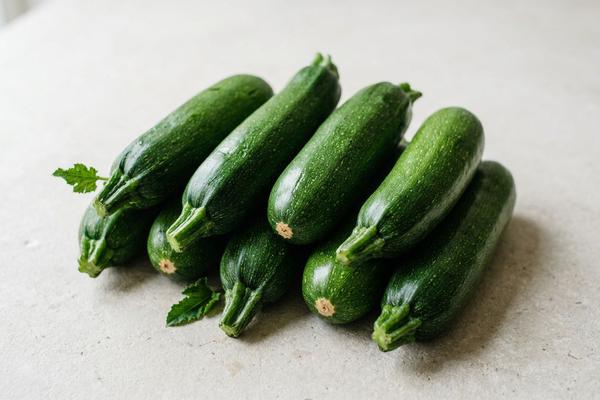
Watery. Salt-free trick: high heat and a dry pan.
$ fresh Italian Middle Eastern
Used in Baked Zucchini and Herb Bites (Kolokithokeftedes) and 20 more
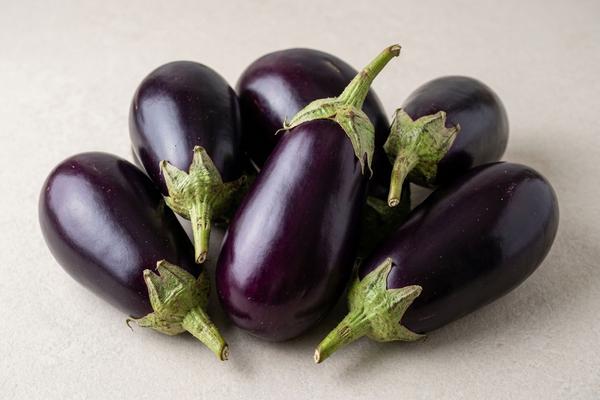
A sponge for oil, which is why you roast or steam it instead.
$$ fresh Indian Turkish Chinese
Used in Ajvar, Serbian Roasted Red Pepper Relish and 37 more
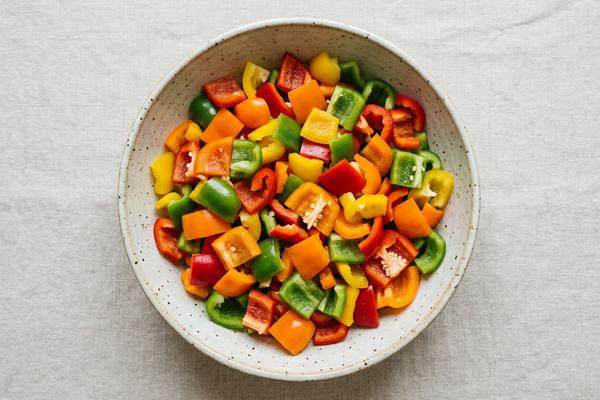
Red are ripe green and cost more for good reason.
Used in Acılı Ezme, Turkish Spicy Tomato Relish and 76 more
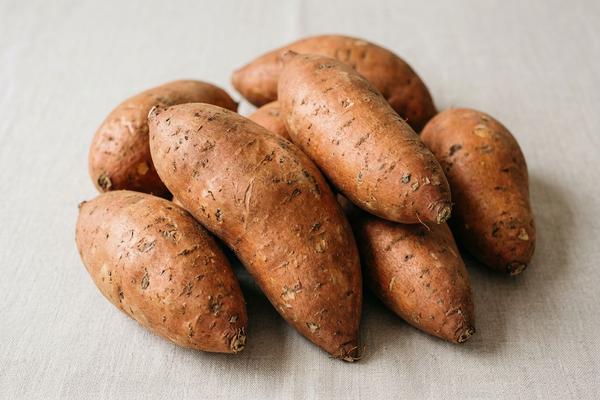
Sweetness, fiber, beta carotene. The best cheap starch.
$ fresh American West African Japanese
Used in Caribbean Cornmeal Pone and 15 more
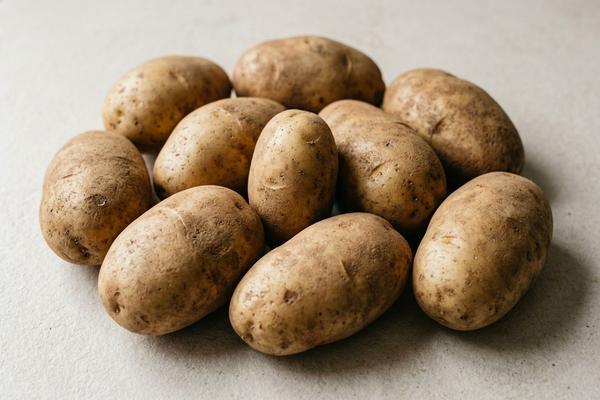
Boiled and blended, they make the creamiest oil-free sauces.
Used in Adas bil Hamod, Lebanese Lentil and Chard Soup and 109 more
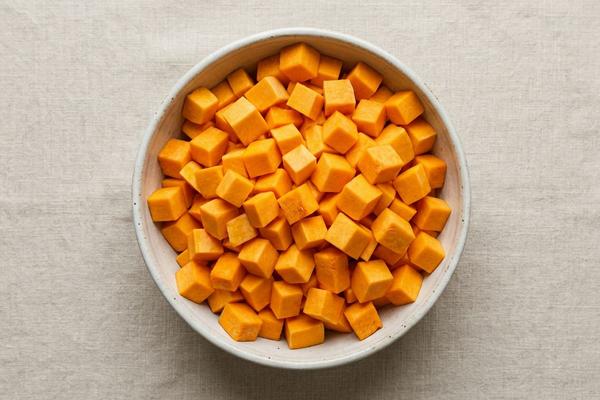
Frozen cubes cost less than the peeling labor.
$$ fresh, frozen American Italian Indian
Used in Ajlouk el Qara'a, Tunisian Pumpkin Dip and 25 more
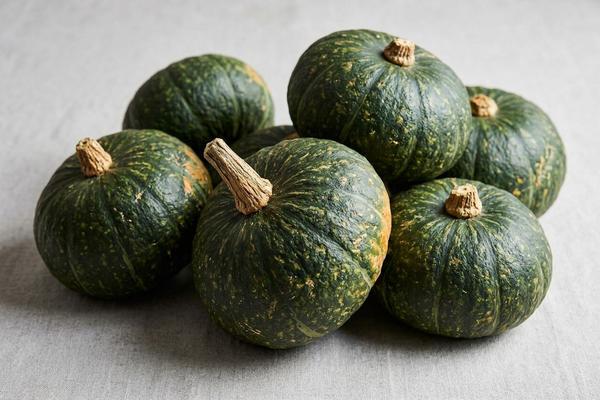
Drier and sweeter than butternut. Skin is edible.
$$ fresh Japanese Korean
Used in Calabaza en Tacha, Date-Sweetened Candied Squash and 10 more
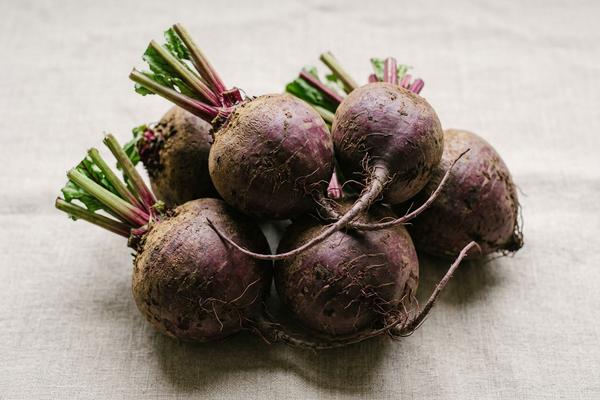
Roast whole in foil. The greens are better than the root.
$ fresh Eastern European Middle Eastern
Used in Baked Beet Crisps with Caraway and 17 more
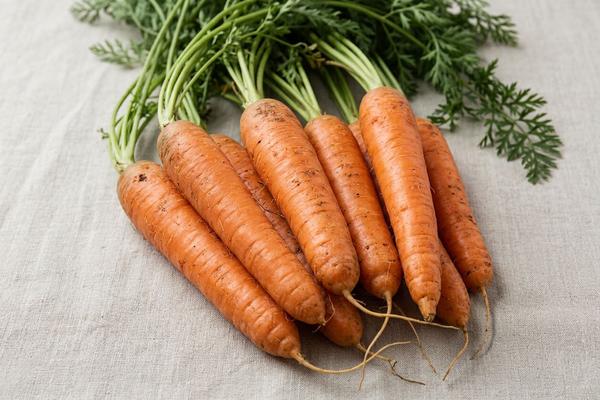
See aromatics. Also a vegetable in their own right.
Used in Acar Kuning, Indonesian Turmeric Pickle and 40 more
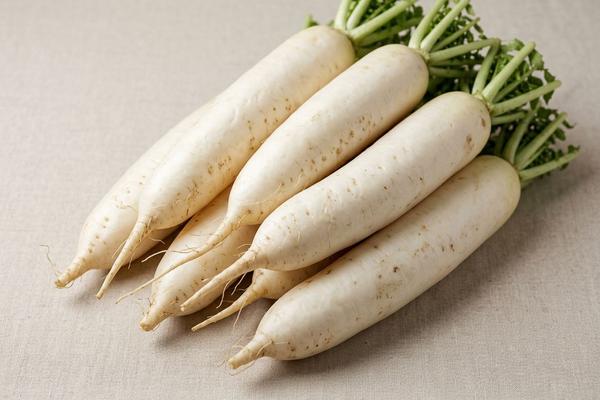
Simmers into translucent sweetness. Grates raw into a sharp salad.
$ fresh Japanese Korean Chinese
Used in Danmuji, Turmeric-Pickled Daikon and 12 more
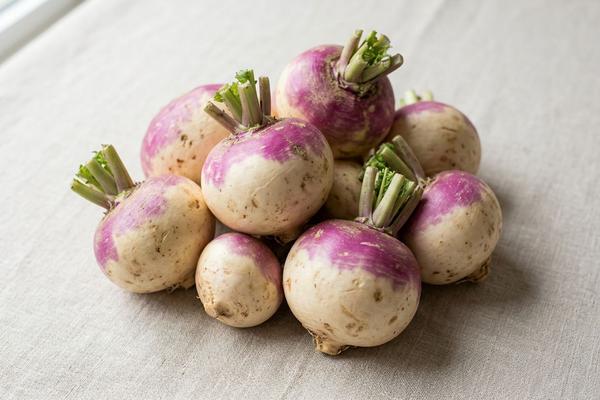
Peppery, cheap, forgotten. Roast them like potatoes.
$ fresh European (general) Japanese
Used in Baked Root Vegetable Crisps with Thyme and 14 more
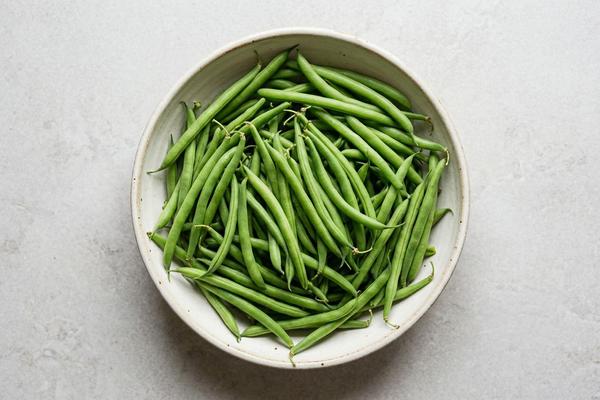
Frozen are fine. Fresh are better only when local.
Used in Achcharu, Sri Lankan Vegetable Pickle and 27 more
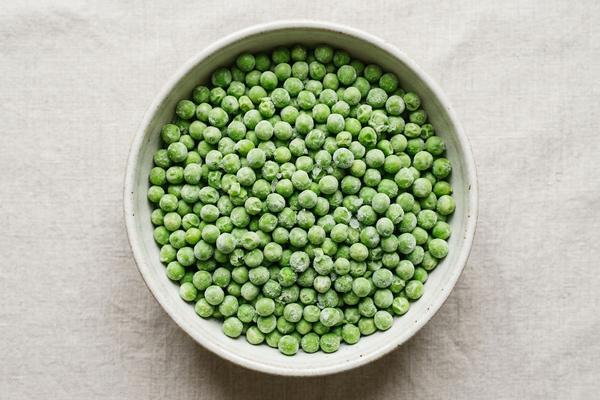
One of the few frozen vegetables that beats fresh outright.
$ frozen Indian British French
Used in Aguadito de Verduras, Peruvian Cilantro Vegetable Soup and 32 more
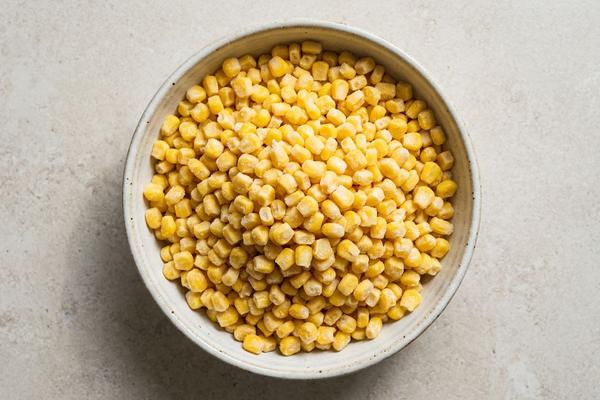
Sweet, cheap, and picked at peak. Char it in a dry pan.
$ frozen Mexican American
Used in Aguadito de Verduras, Peruvian Cilantro Vegetable Soup and 37 more
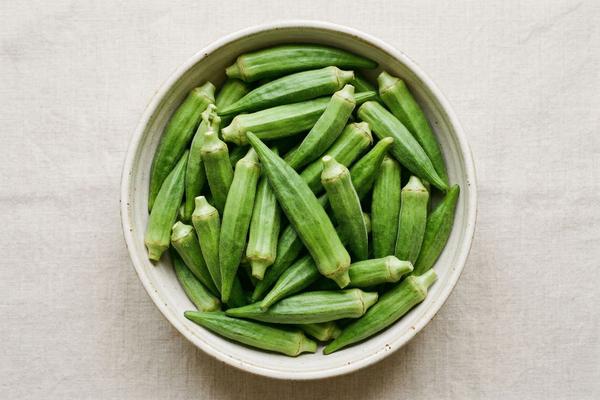
High heat or acid stops the slime. Both, ideally.
$$ fresh, frozen Indian West African American
Used in Bamia, Swahili Okra in Tomato and 13 more
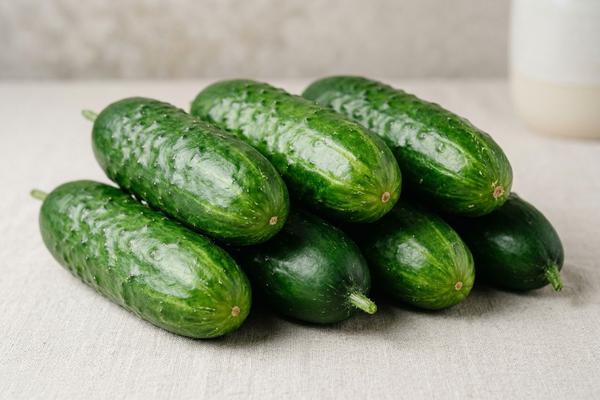
Salt-free crunch. Smash it, do not slice it, for Chinese salads.
$ fresh Chinese  Greek Middle Eastern
Used in Ab-Doogh-Khiar, Persian Cold Yogurt Soup and 46 more
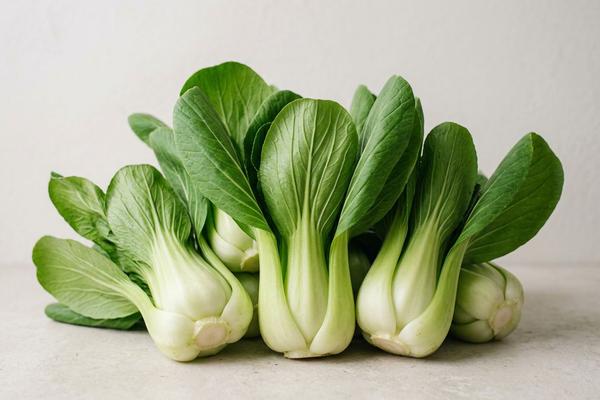
Stems and leaves cook at different rates. Add them separately.
$ fresh Chinese
Used in Garlic Bok Choy
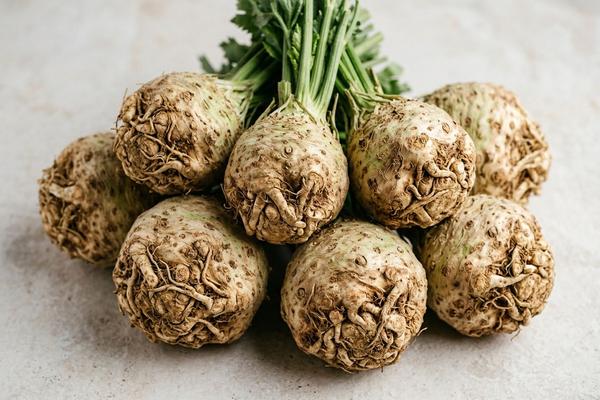
Ugly, cheap, tastes like celery crossed with potato.
$$ fresh French German
Used in Baked Root Vegetable Crisps with Thyme and 8 more
Cartilage-crisp ribbons that soak up broth without ever going soft.
$$ dried Chinese
Used in Hot and Sour Soup and 2 more
Nuttier and crunchier than mung bean sprouts, with the bean still attached to the tail; the base of kongnamul-guk.
$ fresh Korean
Used in Asinan Sayur, Indonesian Tangy Vegetable Salad and 7 more
Starchy and neutral raw, made for shredding into salads that stay crisp for hours.
$$ fresh Thai Vietnamese
Used in Atchara, Filipino Pickled Green Papaya and 4 more
Snappier and starchier than green beans, and they hold their shape through a long simmer.
$$ fresh Indonesian Thai Chinese
Used in Adobong Sitaw, Filipino Long Beans in Vinegar and Garlic and 16 more
Roast whole until the skins split and they make their own dressing, no oil required.
$$ fresh Italian Mediterranean
Used in Cowboy Caviar, Texas Bean Salad and 11 more
Papery husk hides a tart, bright fruit. Boiled and blended, it is the base of every green sauce.
$ fresh Mexican
Used in Pozole Verde and 3 more
Sliced paper-thin, they add the crunch a fried garnish would otherwise supply.
$ fresh Mexican
Used in American Potato Salad and 11 more
Highest nutrient density per calorie of anything here.
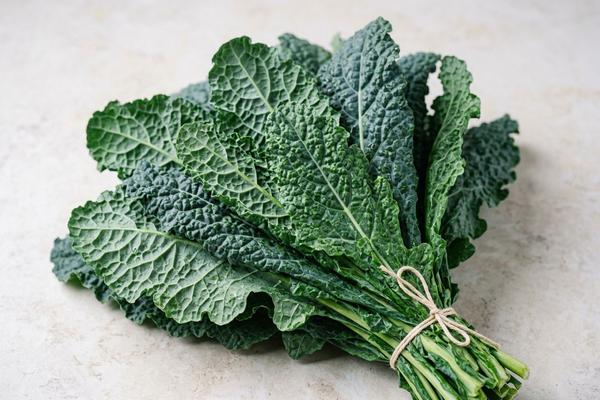
Massage it raw with lemon and it stops being tough.
$ fresh American Italian  Portuguese
Used in Grünkohl, German Braised Kale and 5 more
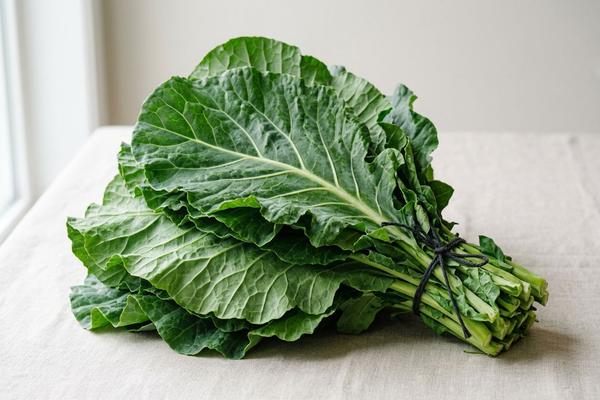
Sturdy enough to braise for an hour or use as a wrap.
$ fresh American Brazilian  East African
Used in Baião de Dois, Brazilian Rice and Beans and 14 more
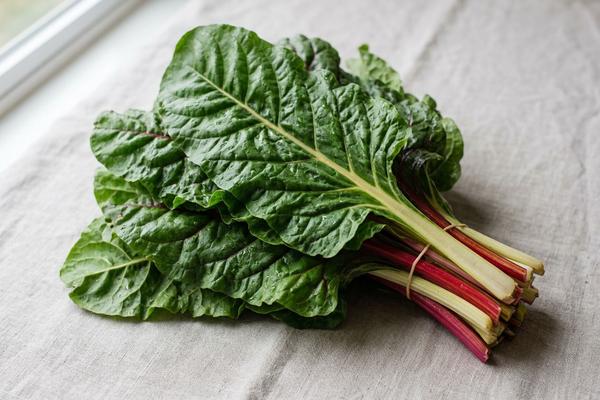
Two vegetables. Chop and cook the stems first.
$ fresh Italian French Middle Eastern
Used in Acquacotta, Tuscan Vegetable Soup and 6 more
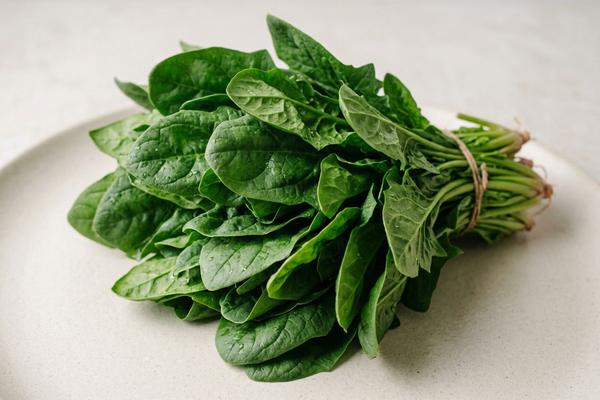
Wilts to nothing. Buy triple what looks reasonable.
Used in Ash-e Anar, Persian Pomegranate Soup and 37 more
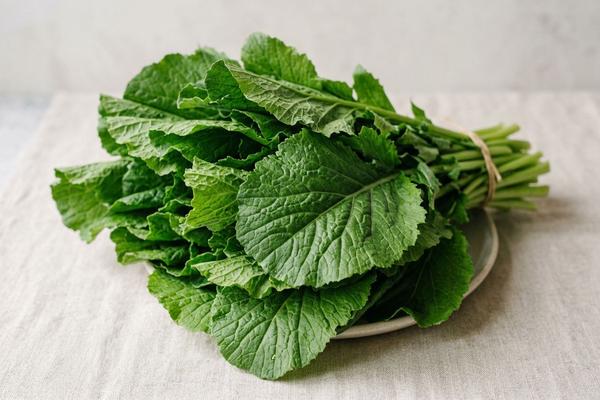
Sharp and horseradish-like. Cuts through starchy dishes.
$ fresh Indian Chinese American
Used in Aloo Methi, Potatoes with Fenugreek and 7 more
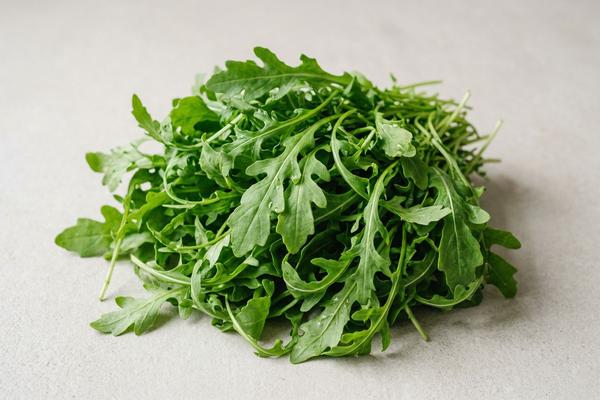
Peppery. A finishing green, not a cooking one.
$$ fresh Italian
Used in Minted Pea and Broad Bean Salad and 2 more
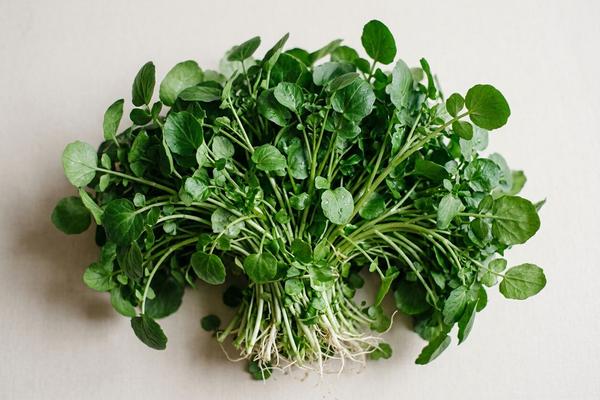
The single most nutrient-dense food per calorie measured.
$$ fresh Chinese British
Used in Cuban Avocado and Watercress Salad and 5 more
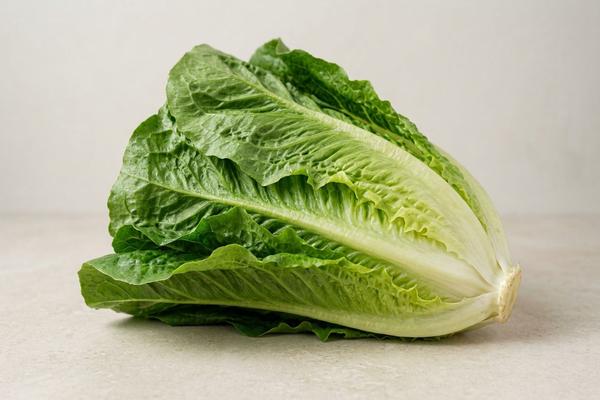
Grill it. Nobody expects that and it works.
$ fresh Mediterranean American
Used in Ansalato, Somali Salad and 12 more
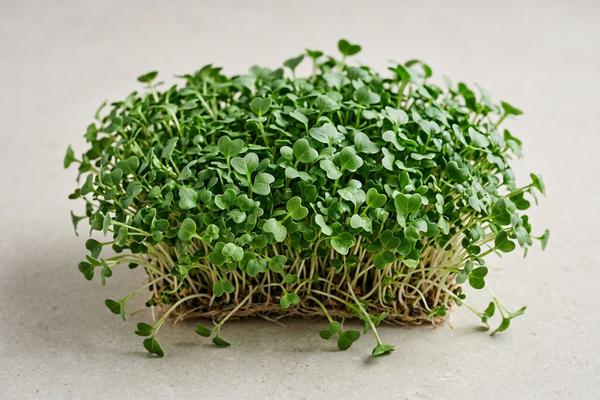
Grow them on a windowsill from the mung beans you already own.
Used in Canh Chua, Vietnamese Sweet and Sour Soup and 1 more
Whole fruit only. Sweetness with fiber attached.
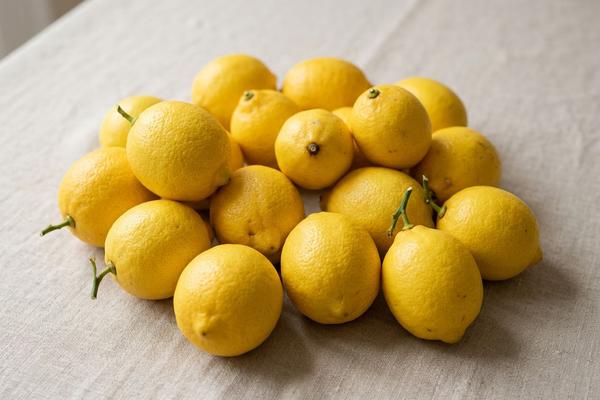
Zest before you juice. The zest is where the aroma lives.
Used in Apple and Oat Crumble and 71 more
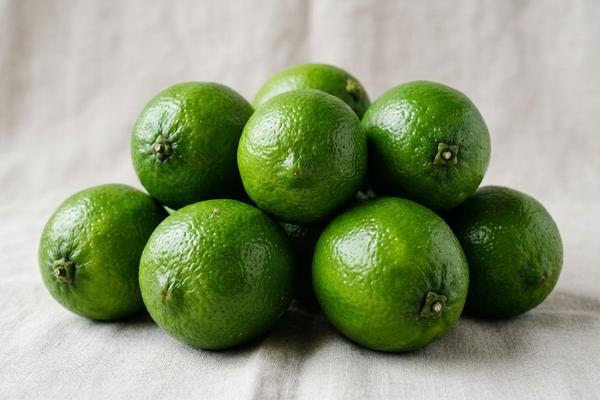
Not interchangeable with lemon. Sharper, more floral.
$ fresh Mexican Thai Vietnamese
Used in Adasi and 47 more
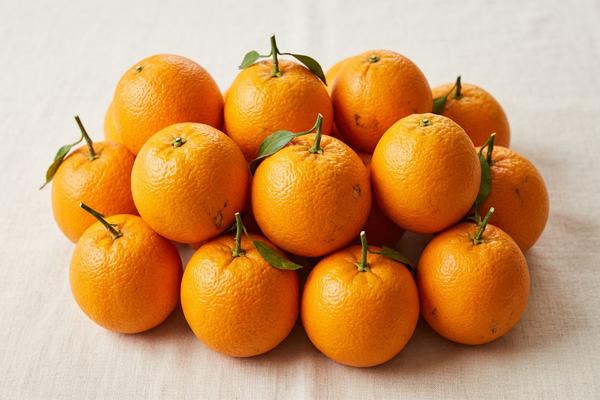
The peel does more work than the juice in most savory cooking.
$ fresh Mediterranean Chinese
Used in Amandes aux Herbes de Provence, French Roasted Almonds and 60 more
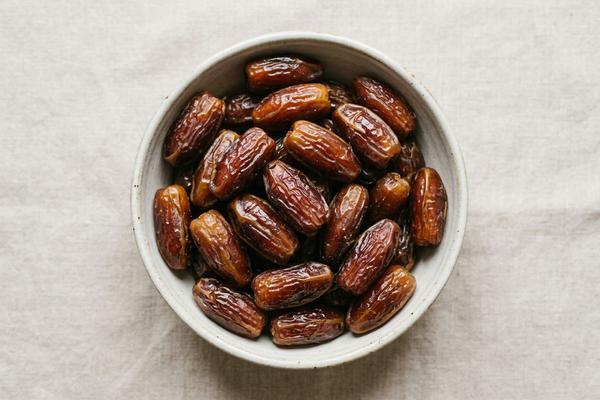
The sweetener. Blend with water into a paste and use it everywhere.
$$ dried Middle Eastern North African natural-sugar
How to prep: Whole-Food Substitutions
Used in Achcharu, Sri Lankan Vegetable Pickle and 221 more
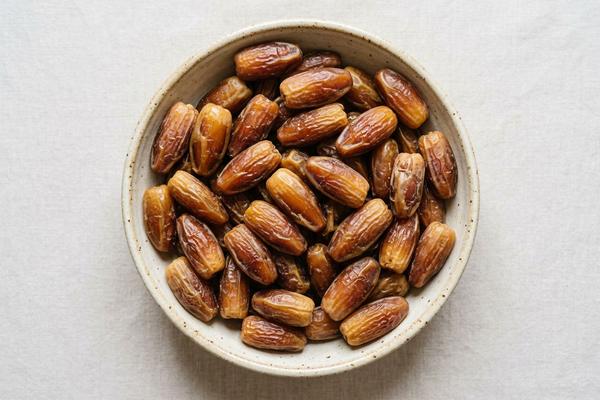
Drier, cheaper, less caramel. Fine for blending.
$ dried Middle Eastern natural-sugar
Used in Acar Kuning, Indonesian Turmeric Pickle and 35 more
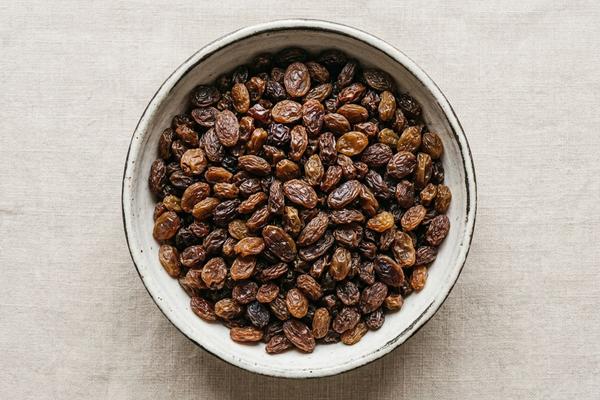
Sweetness that survives cooking. Plump them in hot water first.
$ dried Indian Moroccan European (general) natural-sugar
Used in Ab-Doogh-Khiar, Persian Cold Yogurt Soup and 64 more
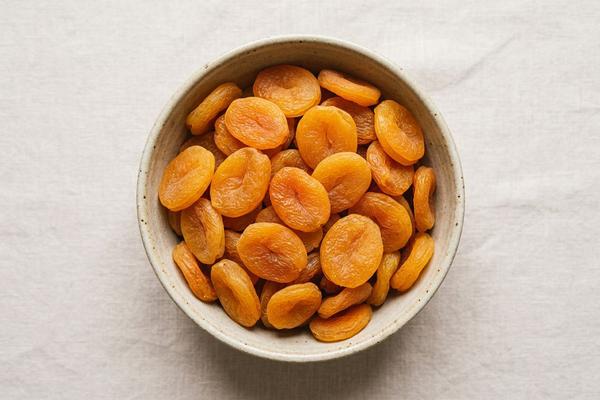
Tart and sweet at once. Essential for tagines.
$$ dried North African Persian natural-sugar
Used in Ajil, Persian Nut and Dried Fruit Mix and 11 more
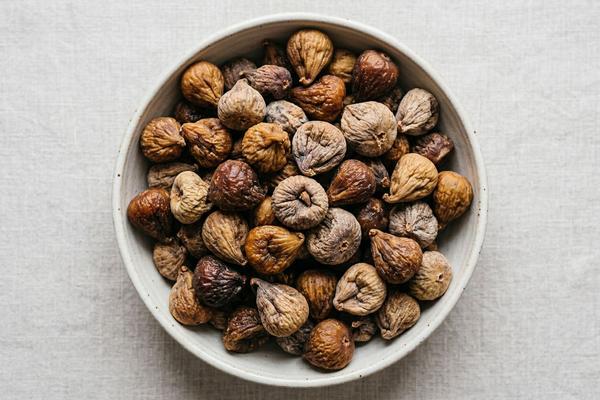
Jammy. Simmer into sauces where you would have used sugar.
$$ dried Mediterranean Middle Eastern natural-sugar
Used in Anjeer Khajur Roll, Fig and Date Nut Log and 9 more
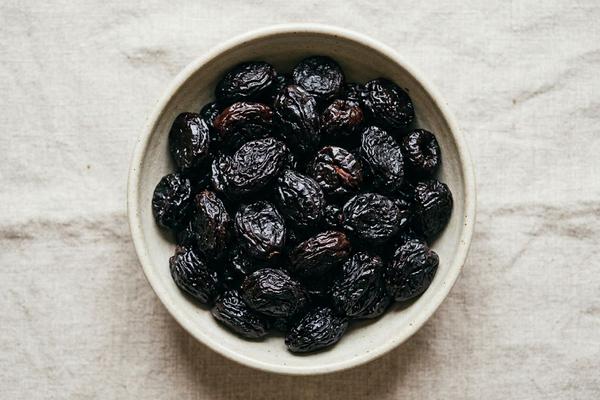
Deep, almost savory sweetness. Excellent in braises.
$ dried French North African natural-sugar
Used in Cock-a-Leekie, Scottish Leek and Prune Soup and 7 more
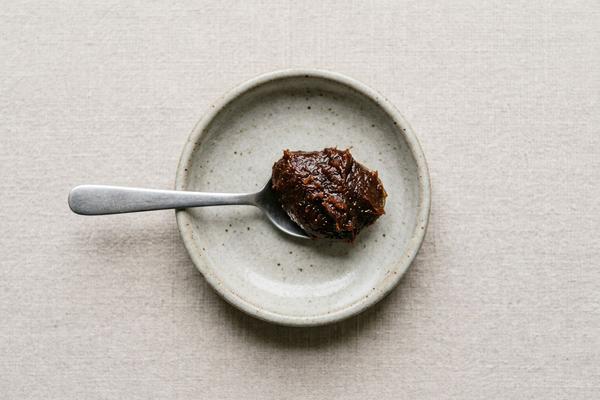
Sour and fruity at once. Check the label for added sugar.
$ paste Indian Thai Mexican check-label
Used in Andhra Peanut Chutney and 35 more
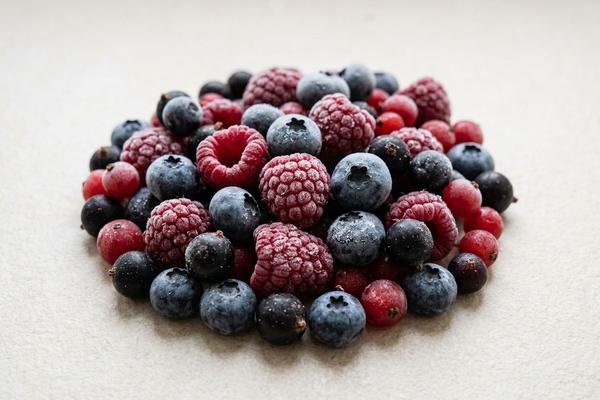
Cheaper, riper, and available in January.
Used in Blåbärssoppa, Swedish Blueberry Soup and 13 more
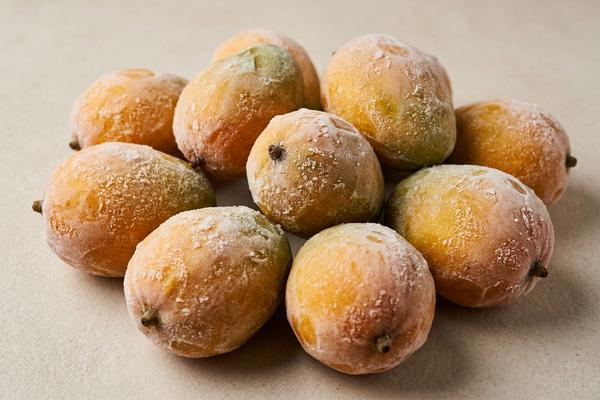
Blends into a cream texture with nothing added.
$$ frozen Indian Thai Mexican
Used in Amba Chutney, Sri Lankan Mango Chutney and 4 more
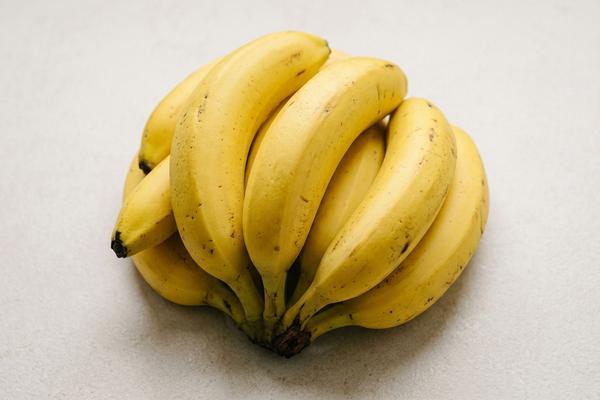
Freeze the overripe ones. They are the ice cream base.
Used in Aiko's Healthy Bomb Cookies and 26 more
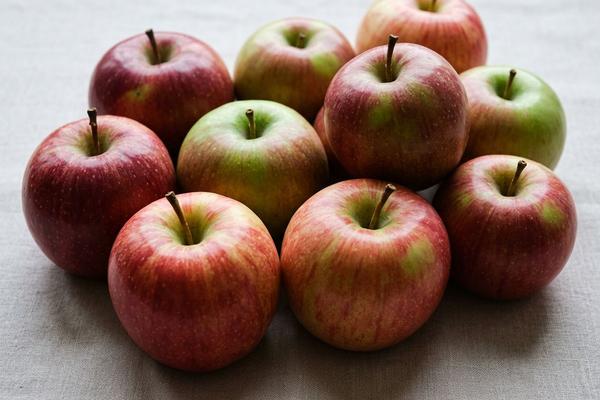
Grate one into a slaw or a braise. Sweetness with acid.
$ fresh European (general) American
Used in Æblekage, Danish Apple and Oat Trifle and 46 more
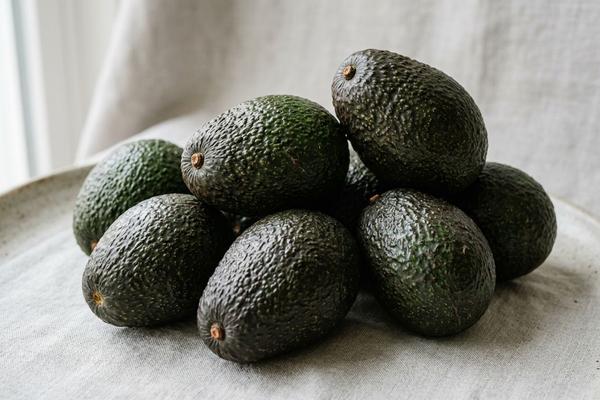
Whole-food fat. A quarter goes further than you think.
$$ fresh Mexican whole-food-fat
Used in Causa Limena, Peruvian Potato and Aji Terrine and 21 more
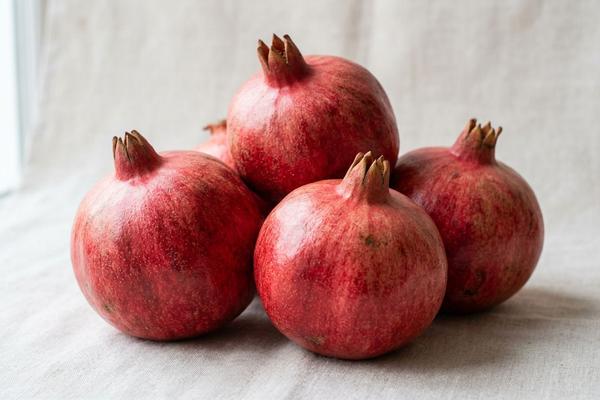
The seeds are the only garnish that adds acid and crunch together.
$$ fresh Persian Middle Eastern
Used in Ash-e Anar, Persian Pomegranate Soup and 12 more
Whole-food fat. Small amounts do real work.
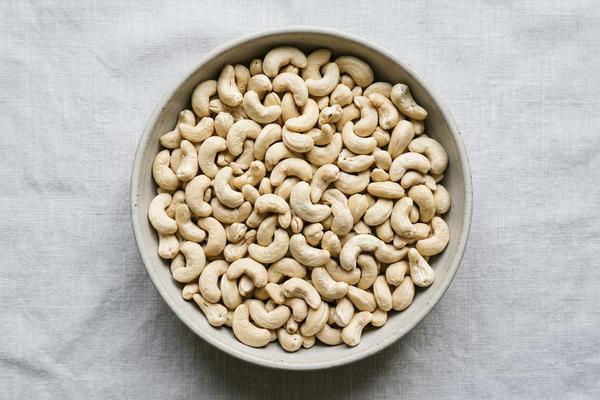
Soak and blend into cream. The single most useful dairy replacement.
$$$ raw Indian Thai American whole-food-fat
Used in Ají de Habas, Andean Fava Beans in Aji Amarillo and 28 more
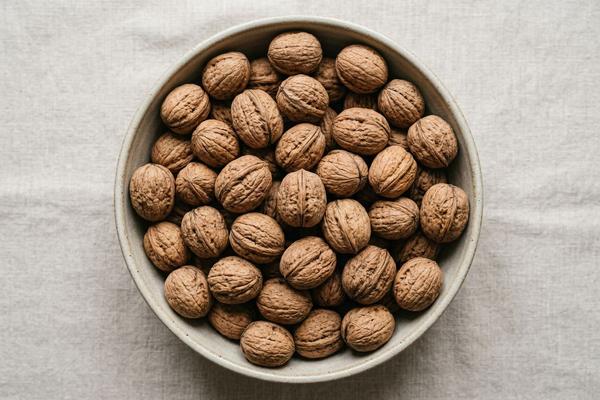
The best omega-3 ratio of any nut. Toast them dry.
$$$ raw Mediterranean Middle Eastern whole-food-fat
Used in Ab-Doogh-Khiar, Persian Cold Yogurt Soup and 88 more
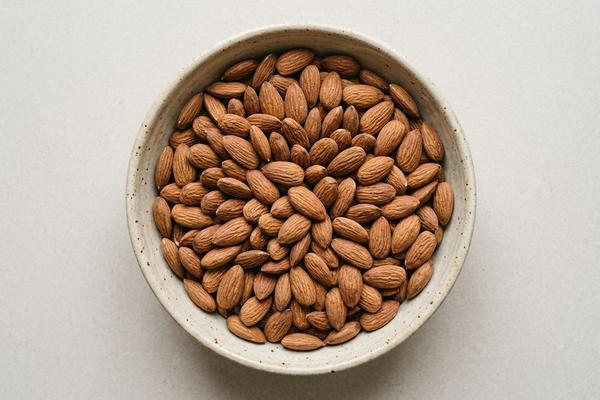
Blanched and blended, they thicken curries the way cream does.
$$$ raw Indian  Spanish Moroccan whole-food-fat
Used in Ajil, Persian Nut and Dried Fruit Mix and 46 more
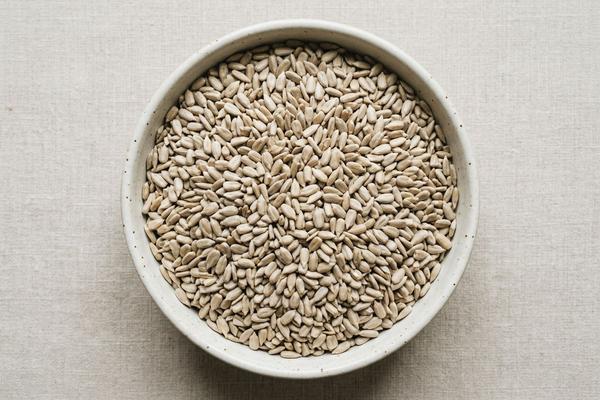
The cheap cashew. Blends nearly as smooth for a third the price.
Used in Ajil, Persian Nut and Dried Fruit Mix and 14 more
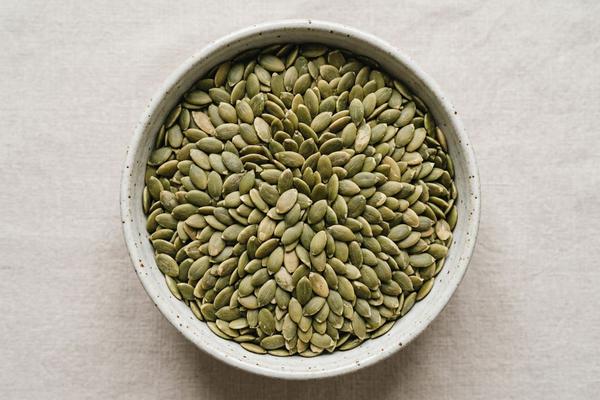
Toast and blend into pepita sauce. The base of Mexican pipián.
$$ raw Mexican whole-food-fat
Used in Ajil, Persian Nut and Dried Fruit Mix and 19 more
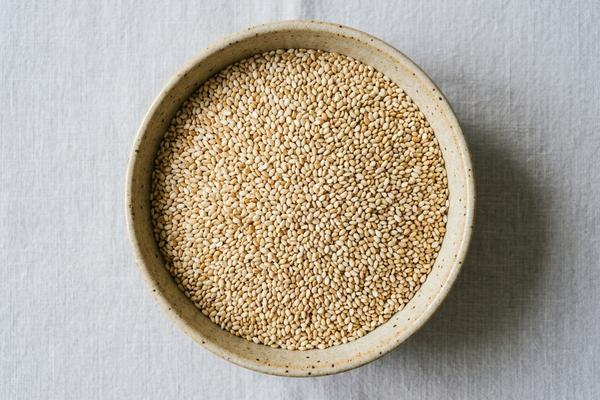
Toast whole, grind for tahini, or scatter as-is.
$ raw Middle Eastern Japanese Korean whole-food-fat
Used in Alegrias, Popped Amaranth and Date Bars and 96 more
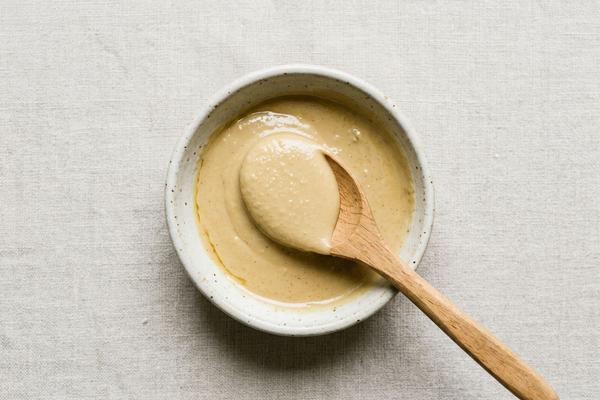
Ground sesame, nothing else. Read the label. Emulsifies with water.
$$ paste Middle Eastern whole-food-fat check-label
Used in Ajlouk el Qara'a, Tunisian Pumpkin Dip and 21 more
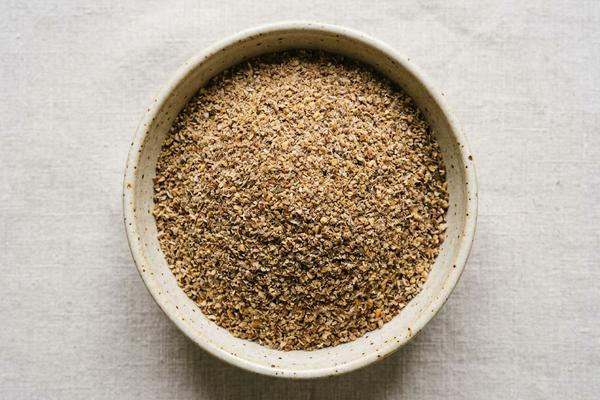
Whole seeds pass through you. Grind or buy ground, store cold.
Used in Aiko's Healthy Bomb Cookies and 39 more
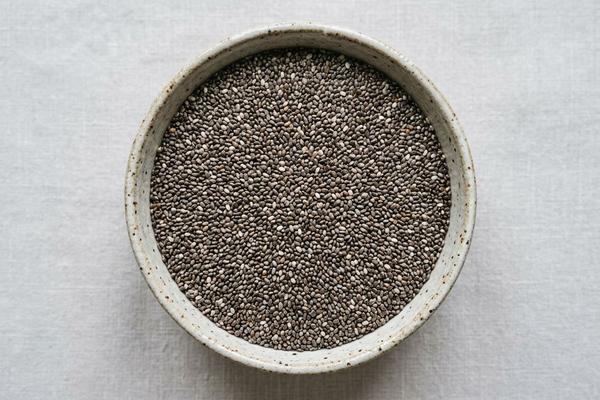
Absorb ten times their weight. Instant pudding, instant thickener.
$$ raw Mexican American
Used in Chia Berry Pudding and 1 more
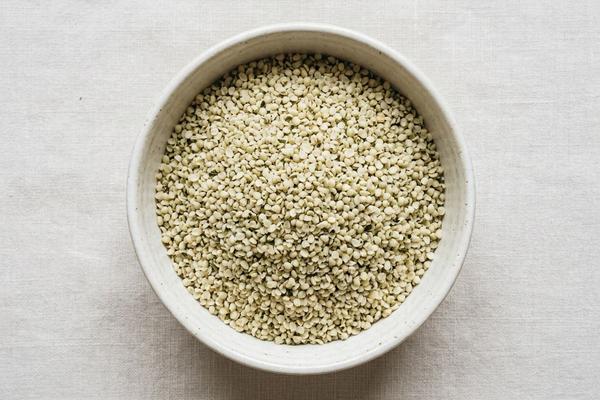
Complete protein, no soaking, mild. Expensive per pound.
$$$ raw American whole-food-fat
Used in Cabbage Mallung
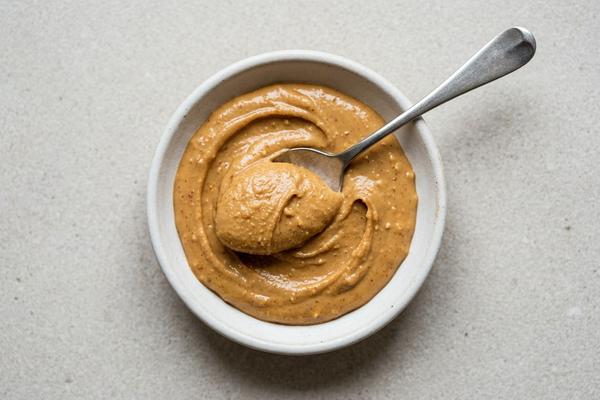
Peanuts and nothing else. The base of West African and Thai sauces.
$ paste Thai West African Indonesian whole-food-fat check-label
Used in Banana Peanut Nice Cream and 14 more
Blanched almonds ground fine. A whole-food stand-in for refined flour in batters and crusts, carrying fat and fiber instead of empty starch.
How to prep: Whole-Food Substitutions
Used in Aiko's Healthy Bomb Cookies and 10 more
Flavor without salt, oil, or sugar. The core substitution.
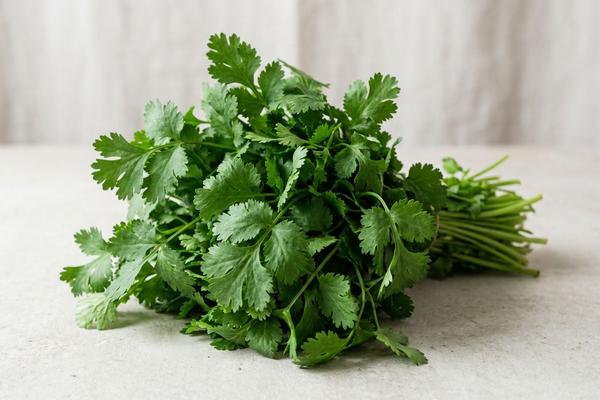
Stems have more flavor than leaves. Use them in the base.
$ fresh Mexican Indian Thai
Used in Adai, South Indian Mixed Lentil Pancake and 194 more
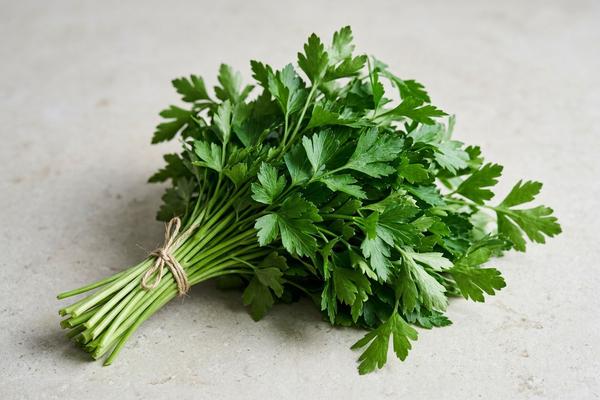
Not a garnish. A vegetable. Use it by the cup.
$ fresh Middle Eastern Italian French
Used in Acılı Ezme, Turkish Spicy Tomato Relish and 184 more
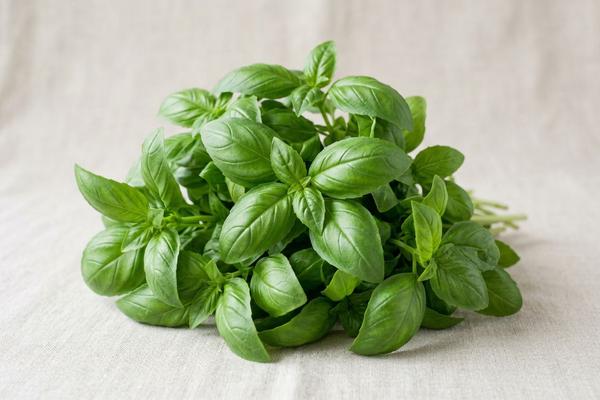
Add at the end. Heat destroys it in under a minute.
$$ fresh Italian Mediterranean
Used in Acquacotta, Tuscan Vegetable Soup and 17 more
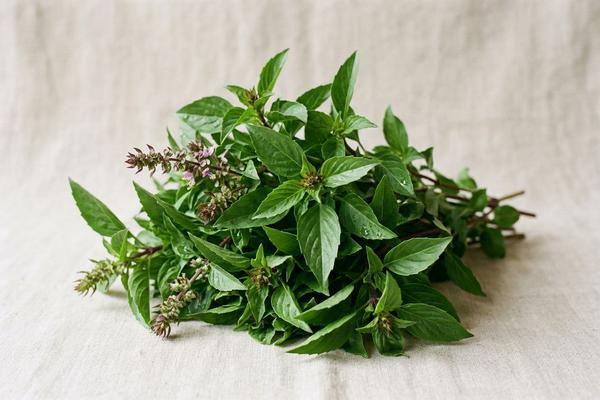
Anise, not sweet basil. Survives heat where the Italian kind does not.
$$ fresh Thai Vietnamese
Used in Green Curry, Coconut-Free and 4 more
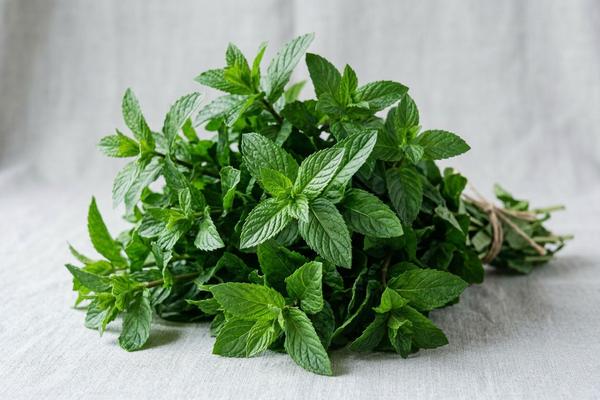
Cuts richness and heat simultaneously. Grows like a weed.
$ fresh Indian Middle Eastern Vietnamese
Used in Ab-Doogh-Khiar, Persian Cold Yogurt Soup and 53 more
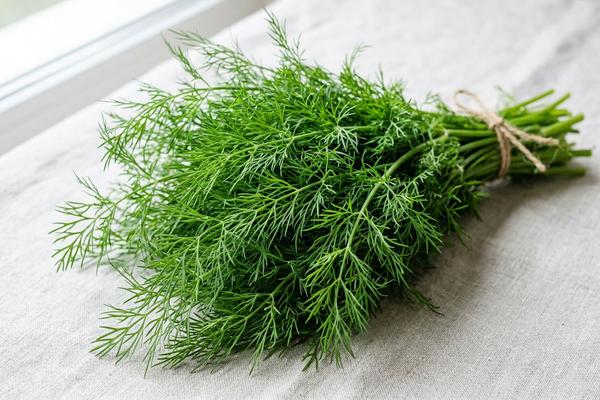
Grassy and sharp. Nothing substitutes for it.
$ fresh Eastern European Persian  Scandinavian
Used in Ab-Doogh-Khiar, Persian Cold Yogurt Soup and 48 more
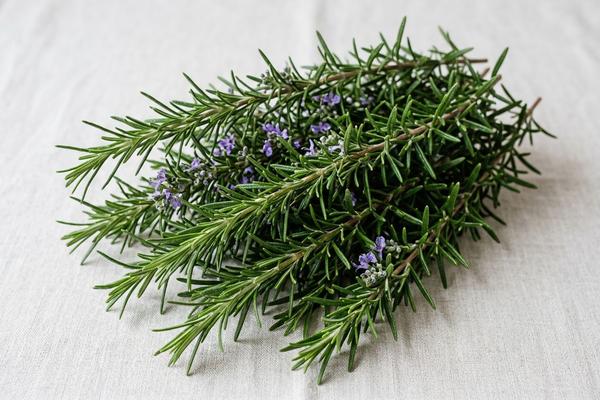
Woody and dominant. One sprig, not three.
$ fresh Italian French
Used in Chickpea and Fennel Soup with Rosemary and Lemon and 8 more
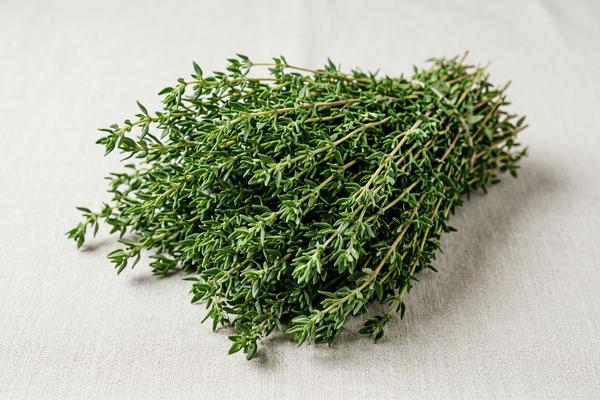
Add early. It needs time to give anything up.
$ fresh French Caribbean Middle Eastern
Used in Aigo Boulido, Provencal Garlic Soup and 35 more
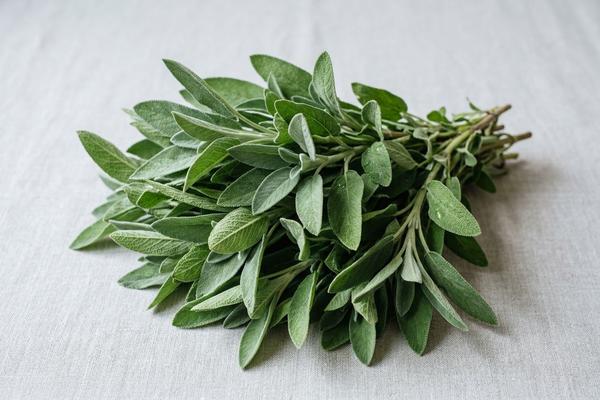
Fried leaves are the classic. Dry-toast them instead.
$ fresh Italian American
Used in Aigo Boulido, Provencal Garlic Soup and 4 more
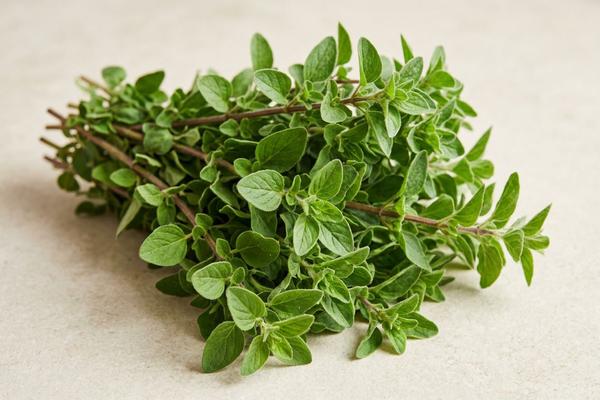
Milder than dried, oddly. The dried version is stronger here.
$ fresh Greek Mexican Italian
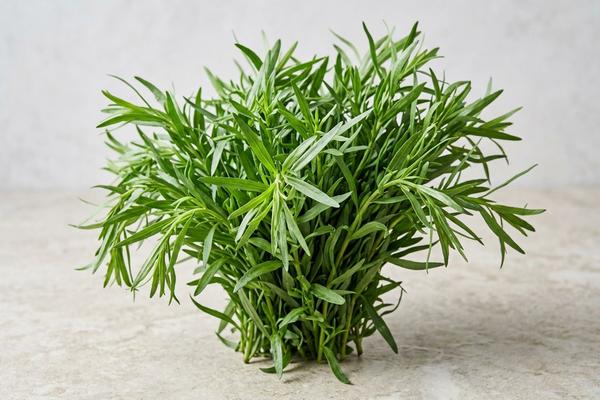
Licorice. The one herb that makes French food taste French.
$$ fresh French
Used in Cervelle de Canut, Lyonnais Herb Dip and 2 more
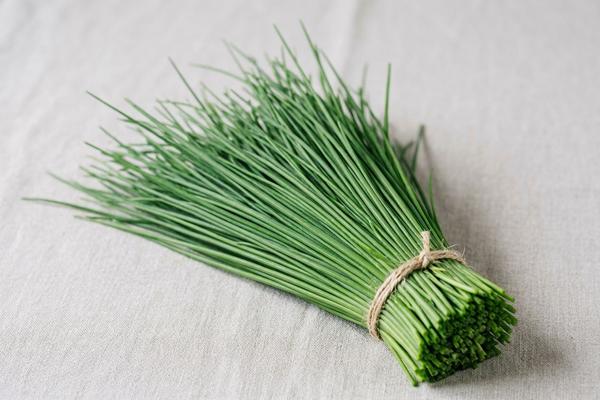
Onion without the cooking. Snip, never chop.
$ fresh French Chinese
Used in Buffalo Cauliflower Bites and 18 more
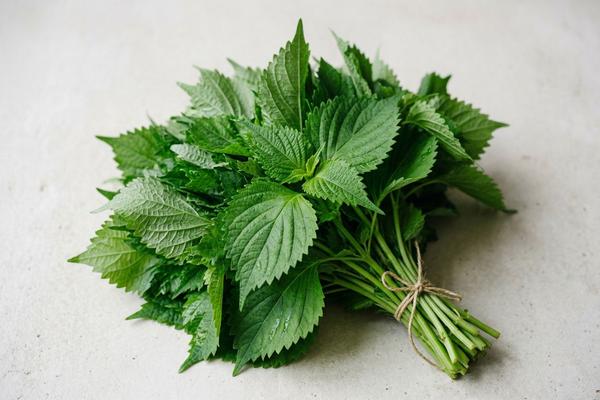
Mint, basil, and anise at once. Nothing else is close.
$$ fresh Japanese Korean
Used in Kkaennip-jorim, Soy-Braised Perilla Leaves and 1 more
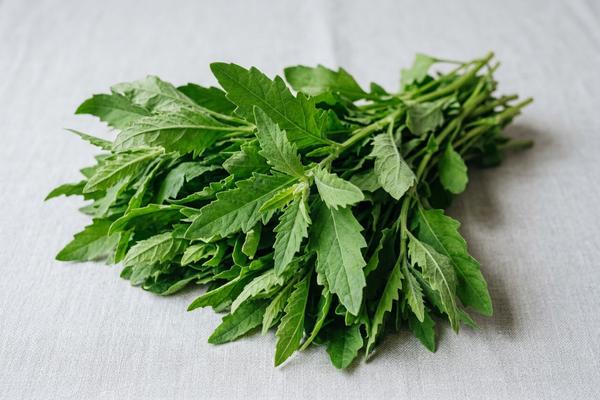
Cooked with beans in Mexico for reasons your digestion will appreciate.
$$ fresh, dried Mexican
Used in Black Beans with a Toasted Chile Sofrito and 10 more
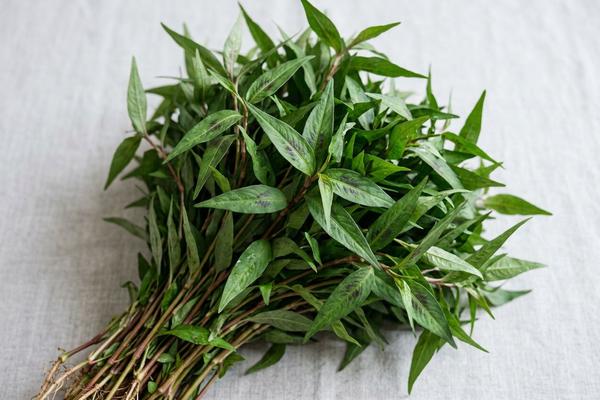
Peppery cilantro relative. Holds up in hot broth.
$$ fresh Vietnamese
Used in Bap Xao, Vietnamese Street Corn and 3 more
Bloom in liquid. Add early, unlike fresh.
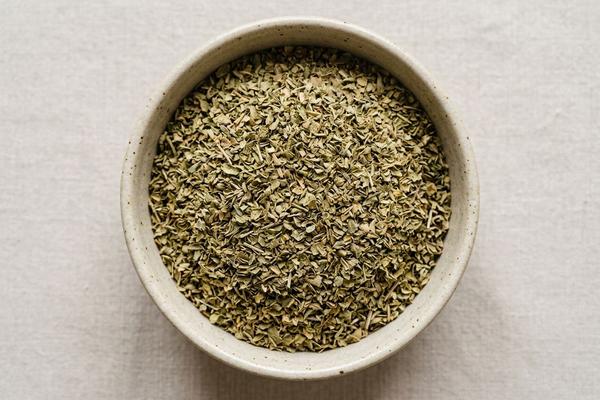
Mexican and Mediterranean oregano are different plants. Buy both.
$ dried Greek Mexican Italian
Used in Ají de Habas, Andean Fava Beans in Aji Amarillo and 45 more
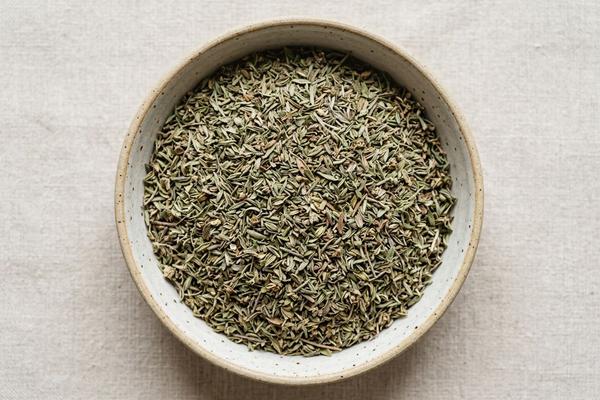
Add with the aromatics, not at the end.
$ dried French Caribbean
Used in Ata, Nigerian Pepper Sauce and 12 more
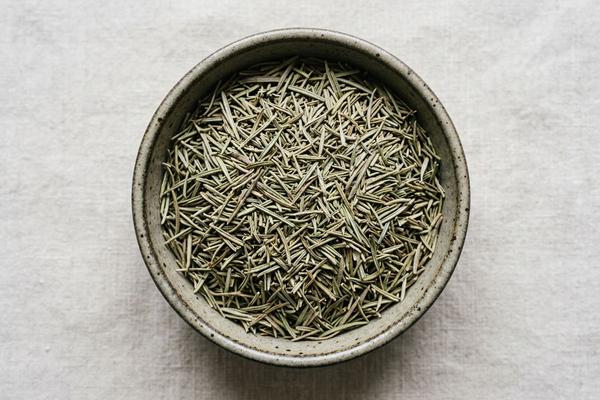
Grind it or it stays sharp and woody in the mouth.
$ dried Italian French
Used in Amandes aux Herbes de Provence, French Roasted Almonds and 4 more
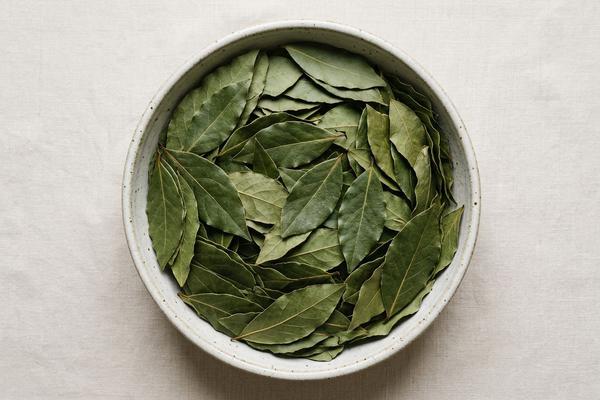
You notice them only when they are missing. Always two, never one.
Used in Adobo White Bean Dip and 124 more
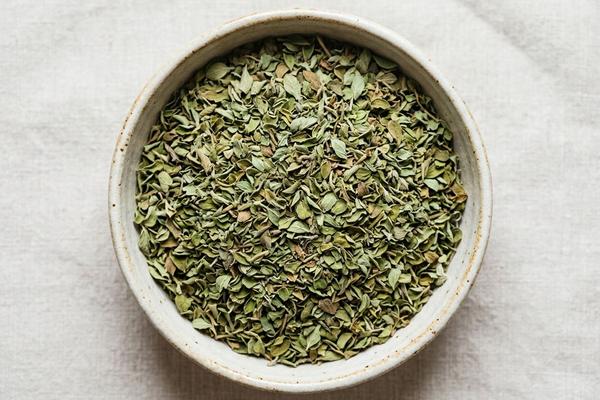
Sweeter, gentler oregano. Underrated in bean dishes.
$ dried German Eastern European Italian
Used in Artsoppa, Yellow Pea Soup and 21 more
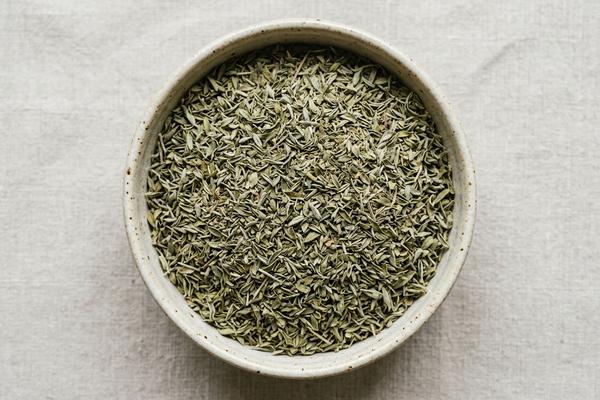
The bean herb. Peppery and specific.
$$ dried French German Eastern European
Used in Bohnensalat, German Bean Salad with Savory and 2 more
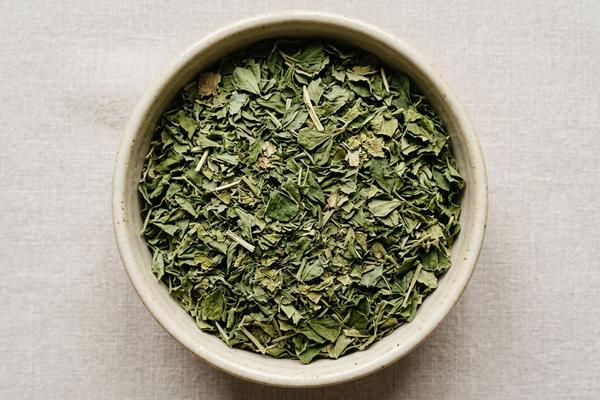
Dried fenugreek leaves. Crush between palms over finished curries.
$ dried Indian
Used in Aloo Methi, Potatoes with Fenugreek and 2 more
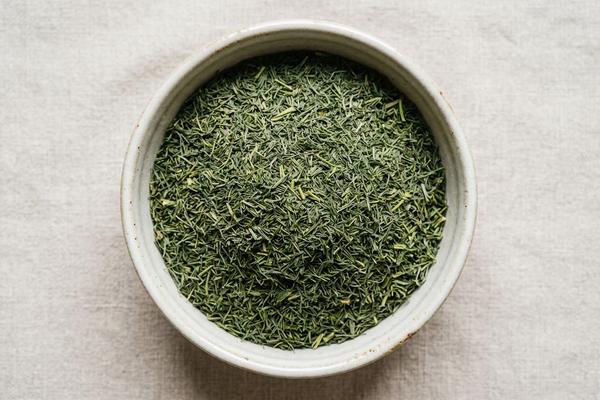
Keeps more of itself than most dried herbs.
$ dried Persian Eastern European
Used in Tex-Mex Ranch Roasted Chickpeas
Turns fragrant and a shade darker when toasted dry, the traditional topping for adasi and other Persian stews.
$ dried Persian Middle Eastern
Used in Ab-Doogh-Khiar, Persian Cold Yogurt Soup and 22 more
Buy whole, toast, grind. Ten times the flavor for the same price.
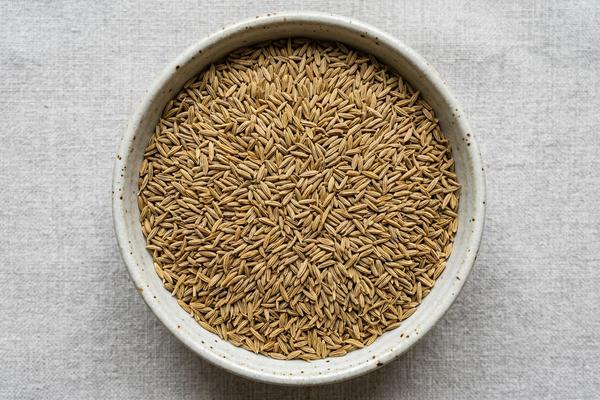
Toast whole in a dry pan until fragrant, then grind. Non-negotiable.
$ whole, ground Indian Mexican Middle Eastern
Used in Acılı Ezme, Turkish Spicy Tomato Relish and 180 more
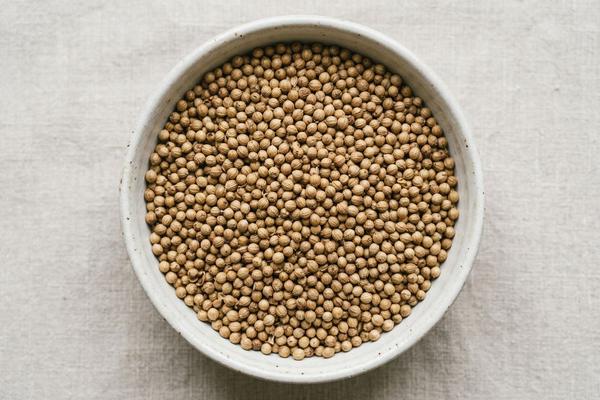
Citrusy and floral. The other half of nearly every masala.
$ whole, ground Indian Middle Eastern Thai
Used in Ajlouk el Qara'a, Tunisian Pumpkin Dip and 42 more
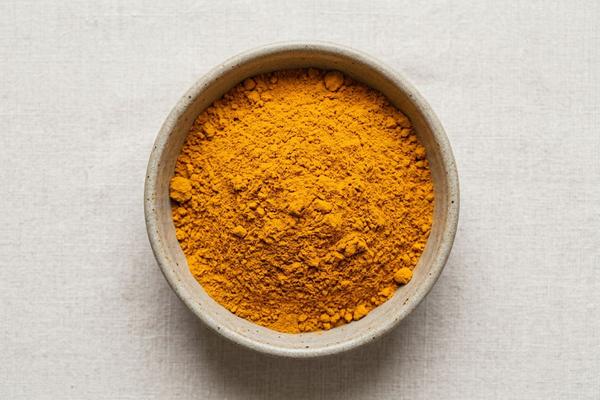
Color and earth. Needs black pepper and fat for absorption.
$ ground, fresh Indian Thai Persian
Used in Acar Kuning, Indonesian Turmeric Pickle and 83 more
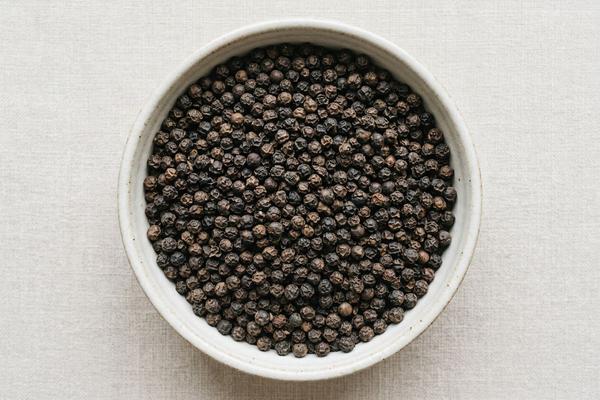
Grind fresh or do not bother. Piperine boosts turmeric uptake.
Used in Acquacotta, Tuscan Vegetable Soup and 385 more
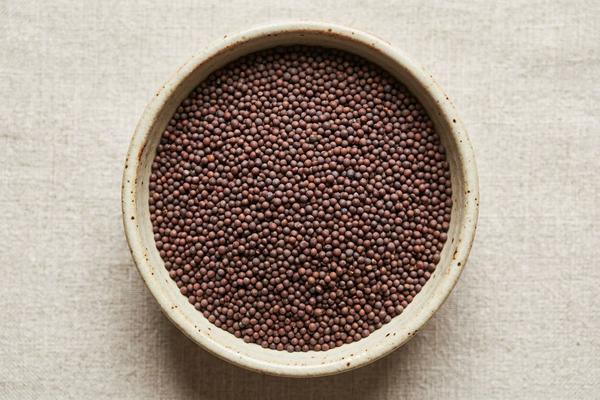
Pop them in a dry pan until they jump. That is the tarka.
$ whole Indian
Used in Ala Thel Dala, Sri Lankan Deviled Potatoes and 27 more
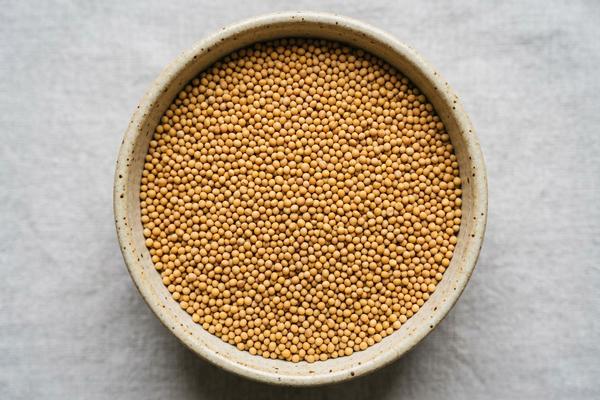
Milder. For pickling and for European cooking.
$ whole European (general) American
Used in Achcharu, Sri Lankan Vegetable Pickle and 6 more
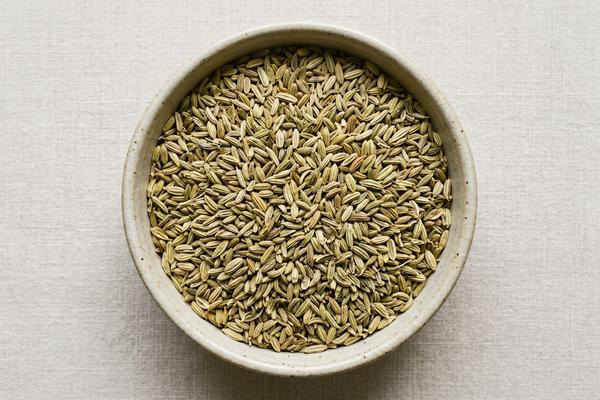
Sweet anise. Balances bitter greens and heavy legumes.
$ whole Indian Italian Chinese
Used in Baked Parippu Vadai and 10 more
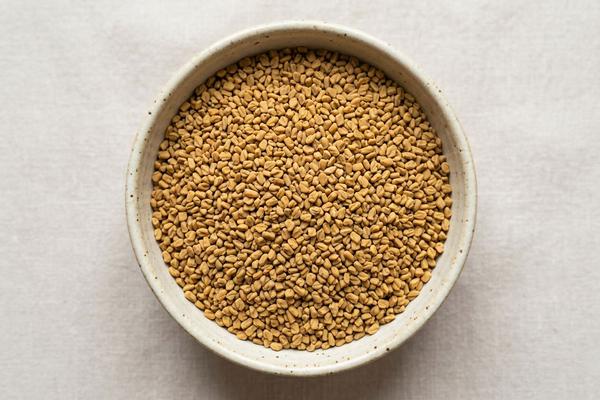
Maple and bitterness. Use less than you think. Much less.
$ whole Indian Ethiopian Middle Eastern
Used in Andhra Tomato Pachadi, South Indian Tomato Chutney and 11 more
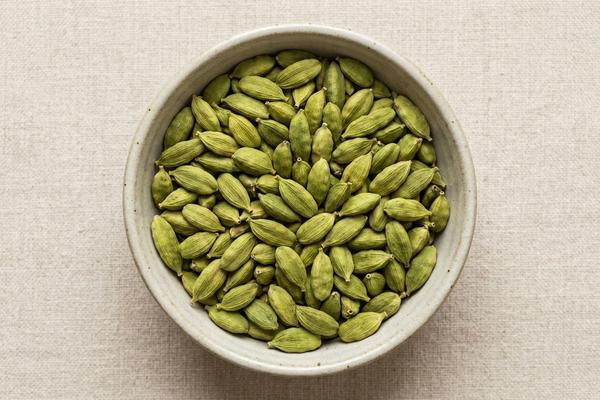
Floral, expensive, unmistakable. Crush the pod, use the seeds.
$$$ whole Indian Persian Scandinavian
Used in Amba Chutney, Sri Lankan Mango Chutney and 31 more
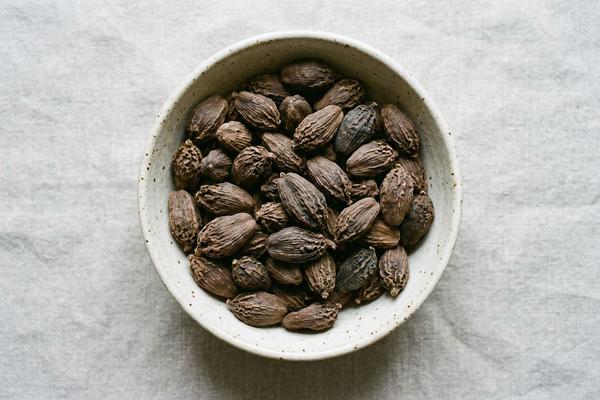
Smoky and camphorous. Not a substitute for green.
$$ whole Indian Chinese
Used in Kala Chana
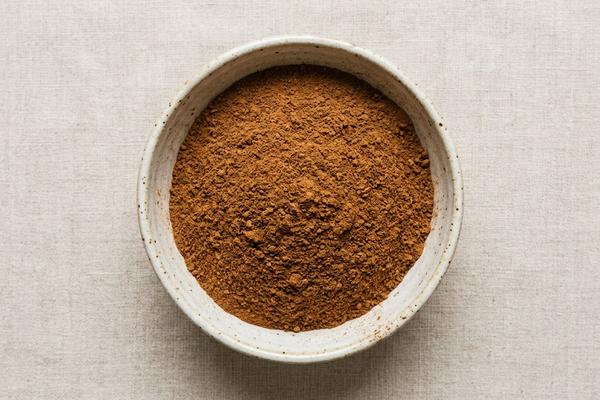
What American cinnamon actually is. Bold and hot.
Used in Adas Polo, Persian Lentil and Date Rice and 98 more
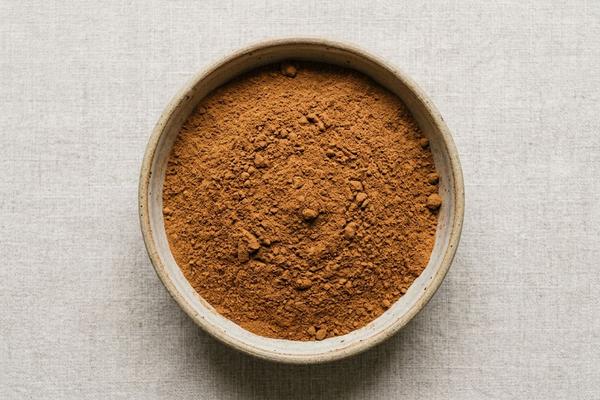
Delicate and complex. Worth it in anything sweet.
$$ whole, ground Sri Lankan Mexican
Used in Ala Thel Dala, Sri Lankan Deviled Potatoes and 53 more
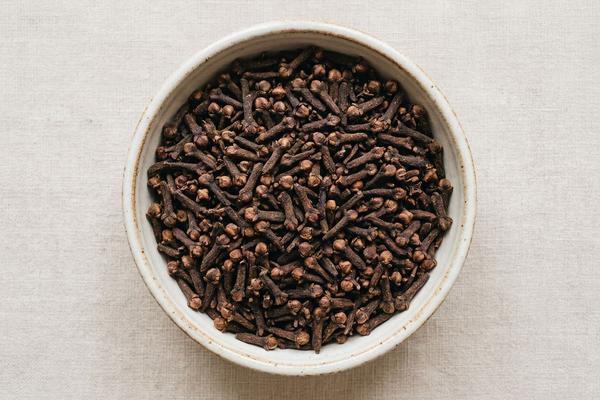
Overwhelming at four, perfect at two. Count them.
$ whole Indian Indonesian European (general)
Used in Amaranth Atole with Banana and Cinnamon and 37 more
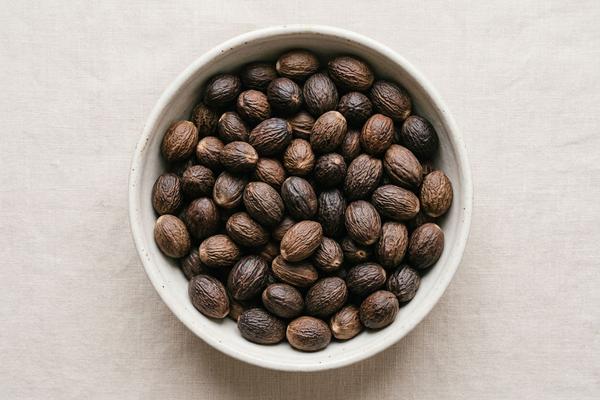
Grate fresh. Pre-ground nutmeg is sawdust.
$$ whole European (general) Caribbean Indian
Used in Apple Cinnamon Overnight Baked Oatmeal and 39 more
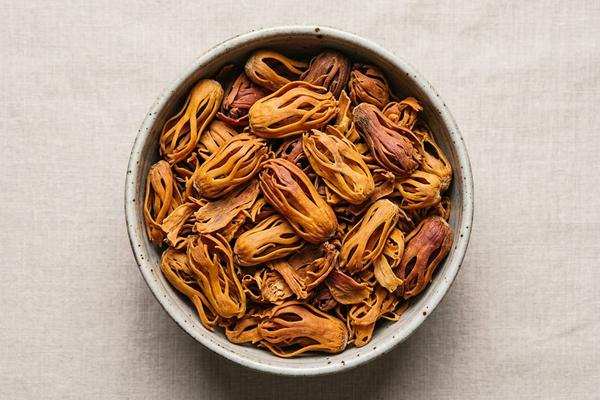
The lacy shell around nutmeg. More delicate, more floral.
$$$ whole Indian French
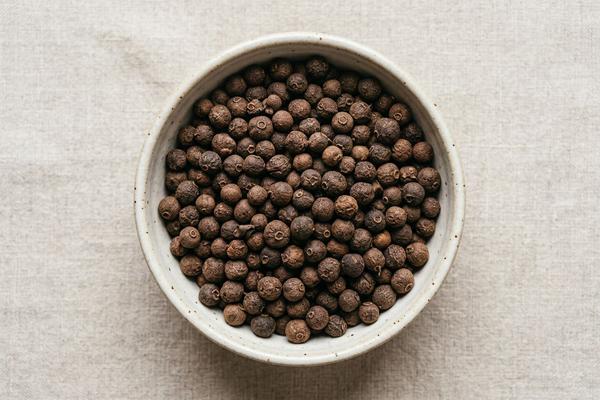
One berry that tastes like three spices. The Caribbean backbone.
$ whole, ground Caribbean Middle Eastern Mexican
Used in British Pub-Style Pickled Onions and 21 more
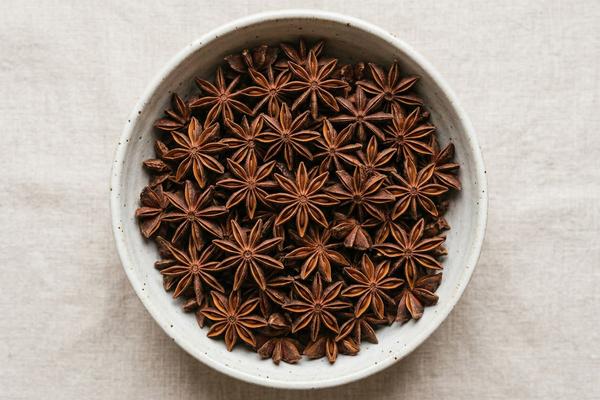
Powerful. One pod flavors a whole pot of broth.
$ whole Chinese Vietnamese Indian
Used in Calabaza en Tacha, Date-Sweetened Candied Squash and 6 more
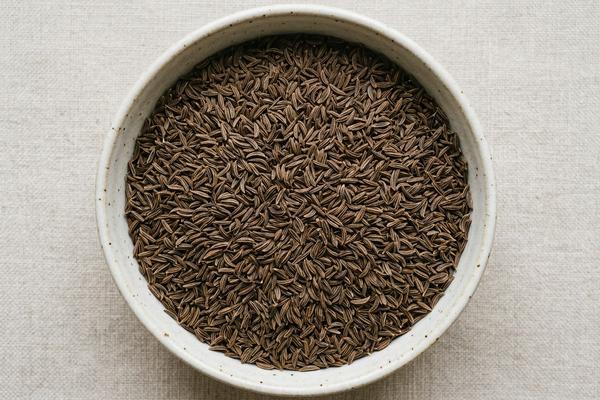
Rye bread and sauerkraut. Sharp, distinctive, divisive.
$ whole German Eastern European North African
Used in Ajlouk el Qara'a, Tunisian Pumpkin Dip and 24 more
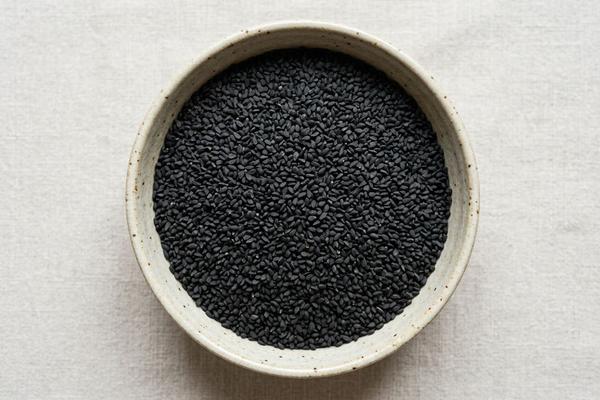
Onion and oregano at once. Scattered on flatbread everywhere.
$ whole Indian Middle Eastern Turkish
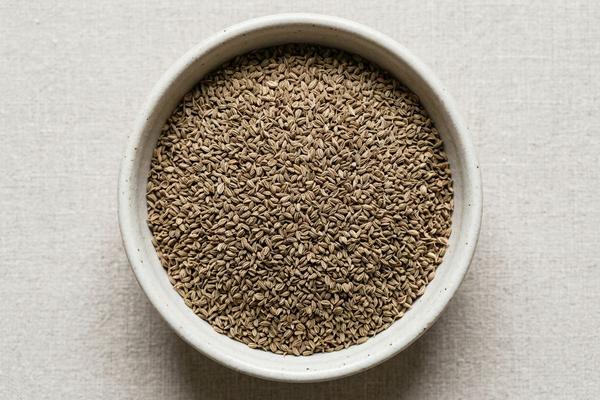
Thyme cranked to eleven. Traditionally cooked with legumes.
$ whole Indian
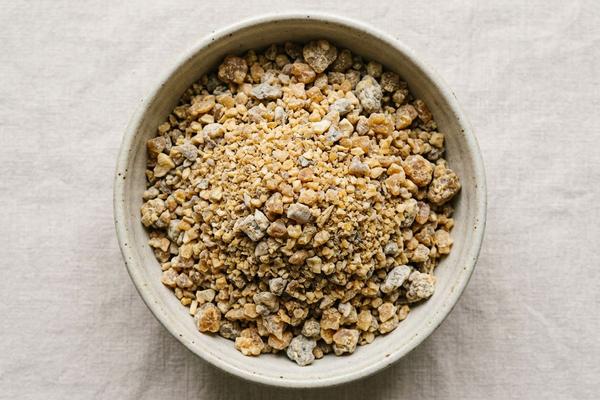
Foul raw, oniony cooked. Replaces garlic and onion entirely.
$$ ground Indian check-label
Used in Adai, South Indian Mixed Lentil Pancake and 16 more
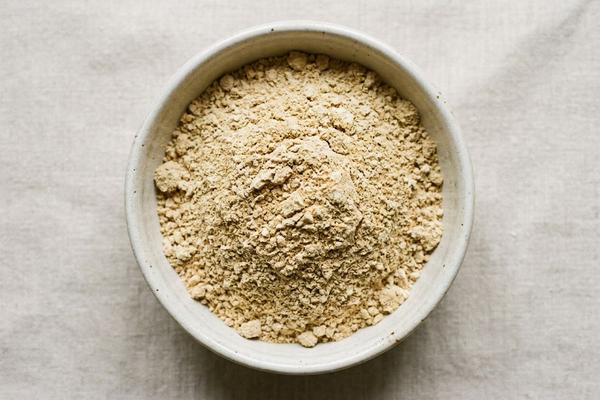
Dried green mango. Sourness with no liquid added.
$ ground Indian
Used in Aloo Methi, Potatoes with Fenugreek and 9 more
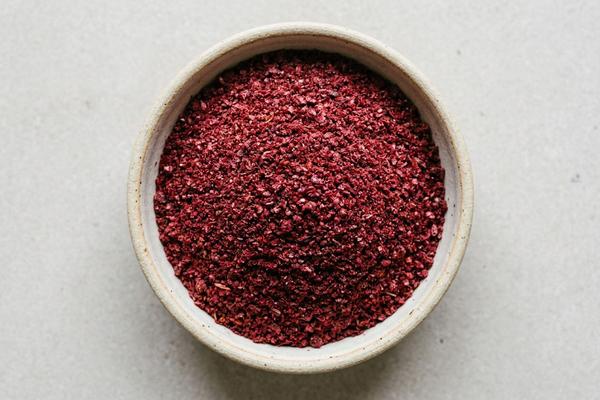
Bright, tart, purple. Use it where you would squeeze a lemon.
$$ ground Middle Eastern Turkish
Used in Baharat Roasted Chickpeas and 18 more
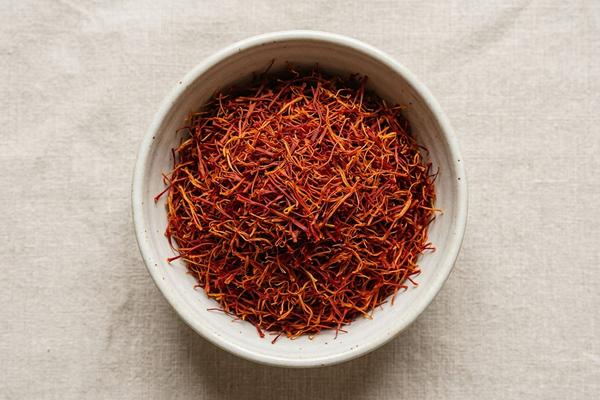
The most expensive spice by weight. A pinch is a real dose.
$$$ whole Persian Spanish Indian
Used in Adas Polo, Persian Lentil and Date Rice and 10 more
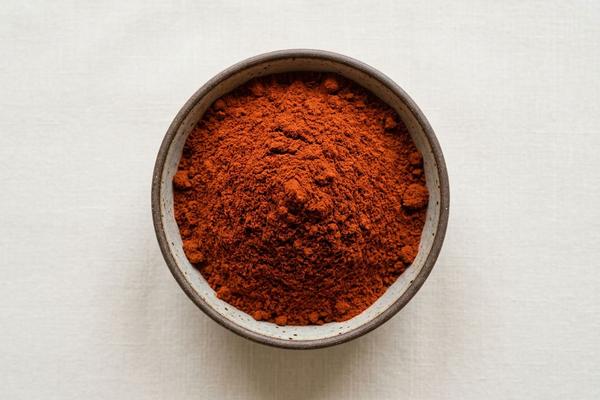
Smoke without a grill. Sweet, bittersweet, or hot.
$ ground Spanish Portuguese
Used in Almendras al Pimentón, Spanish Smoked Paprika Almonds and 67 more
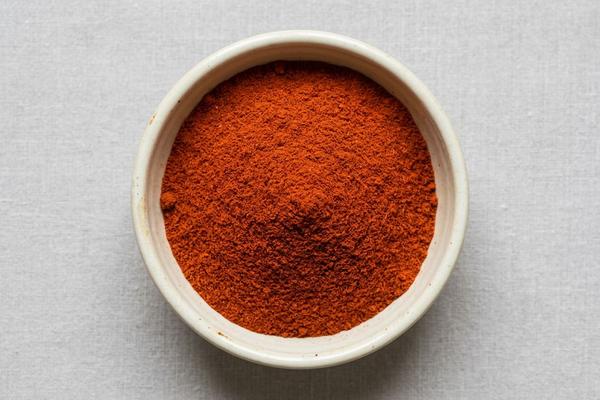
Color and mild sweetness. Hungarian is the reference.
$ ground Eastern European
Used in Ajlouk el Qara'a, Tunisian Pumpkin Dip and 39 more
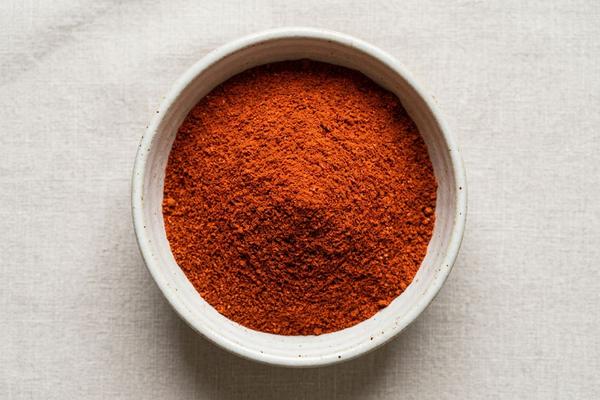
Pure heat, no character. For adjusting, not for flavoring.
Used in Ajlouk el Qara'a, Tunisian Pumpkin Dip and 63 more
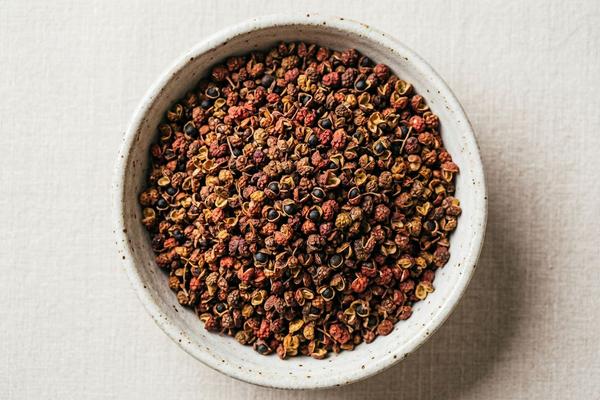
Not heat. Numbness. Buy them fresh or they are inert.
$$ whole Chinese
Used in Dry-Fried Green Beans and 5 more
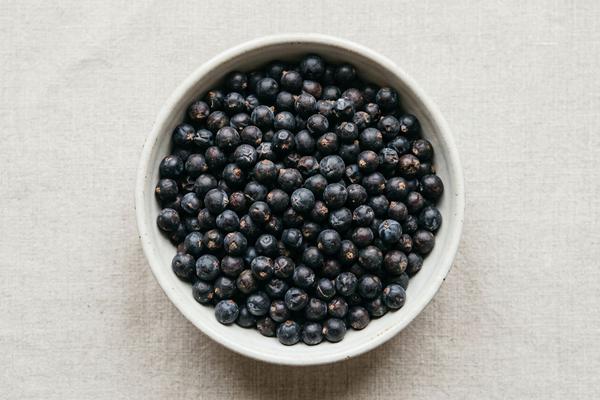
Pine and gin. Crush them for cabbage and root vegetables.
$$ whole Scandinavian German
Used in Bayrisch Kraut, Bavarian Braised Cabbage with Apple and Caraway and 1 more
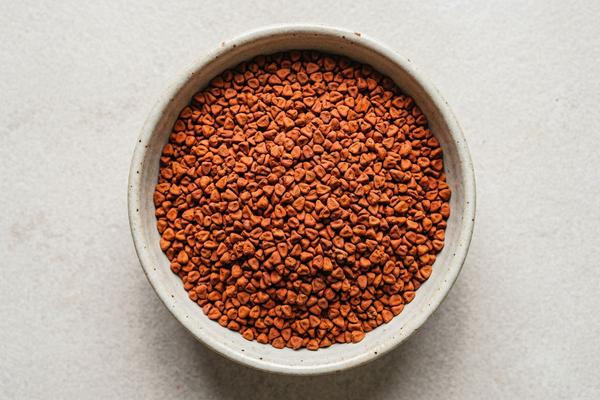
Color more than flavor. Slightly peppery, deeply orange.
$ whole, ground Mexican  Filipino Caribbean
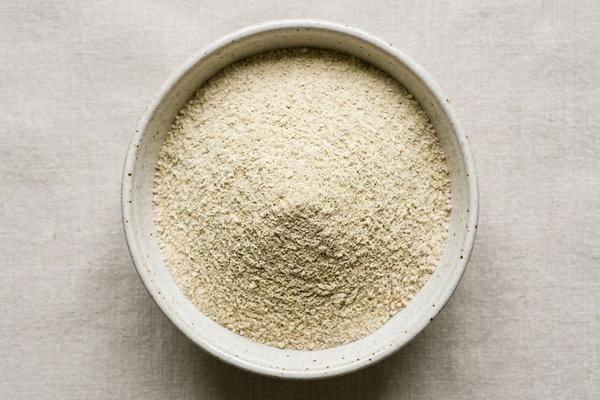
Fermented and funky. What Chinese soups actually taste of.
$$ whole, ground Chinese French
Used in Canh Bi Do, Vietnamese Pumpkin and Peanut Soup and 30 more
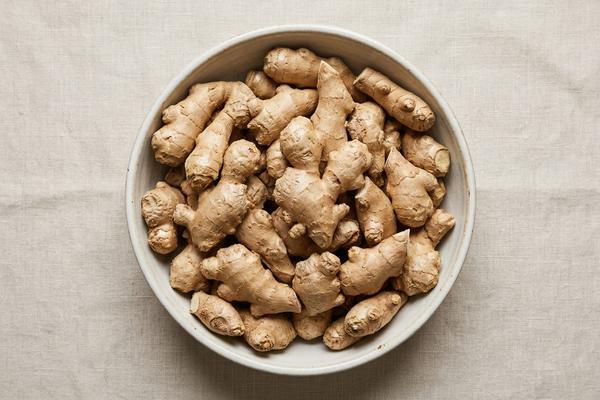
Not a substitute for fresh. A different spice entirely.
$ ground Indian American European (general)
Used in Crustless Pumpkin Custard and 11 more
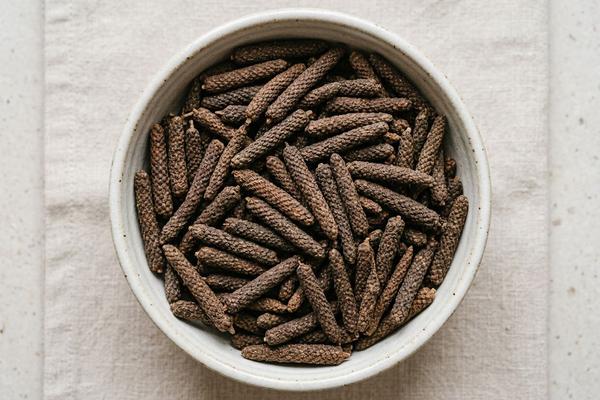
Sweeter and hotter than black. What Rome used before peppercorns.
$$$ whole Indian Indonesian
Whole limes fermented and sun-dried until nearly black; pierce and simmer whole for a tart, faintly smoky sourness fresh lime juice cannot match.
$$ whole, dried Persian Middle Eastern
Used in Ajil, Persian Nut and Dried Fruit Mix and 3 more
A teaspoon makes date-sweetened baking read as dessert. Buy pure extract and skip anything cut with corn syrup or added sugar.
Used in Aiko's Healthy Bomb Cookies
Heat plus fruit. Not interchangeable with each other.
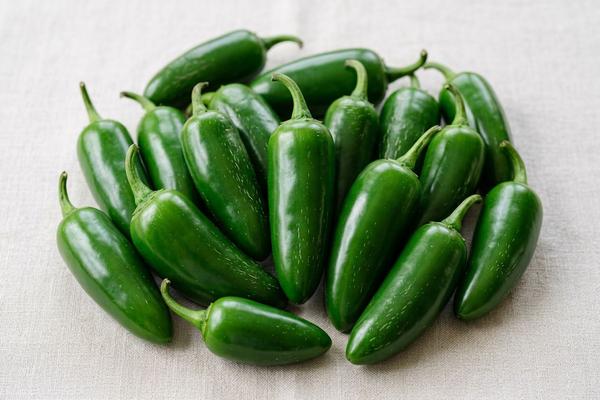
Grassy, moderate. Seeds and ribs carry the heat, not the flesh.
$ fresh Mexican American
Used in Aji Verde, Peruvian Green Sauce and 24 more
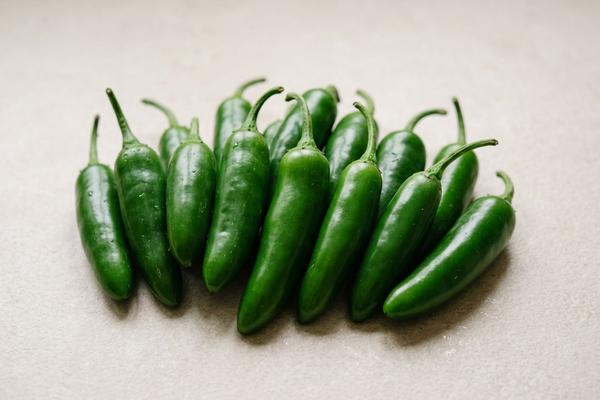
Cleaner and hotter than jalapeño. The default in salsa.
$ fresh Mexican
Used in Basbaas, Somali Green Chili Sauce and 19 more
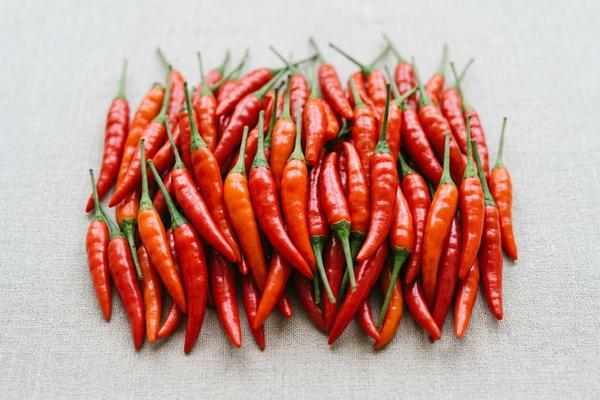
Small, brutal, fruity. Freeze them whole.
$ fresh, frozen Thai Vietnamese Indian
Used in Acar Kuning, Indonesian Turmeric Pickle and 44 more
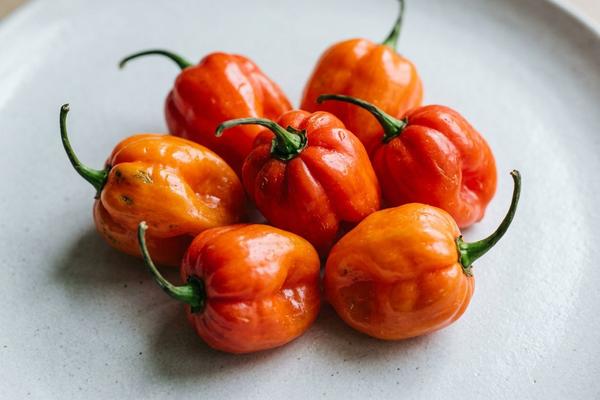
Apricot and fire. Use a quarter and mean it.
$$ fresh Caribbean Mexican
Used in Ata, Nigerian Pepper Sauce and 33 more
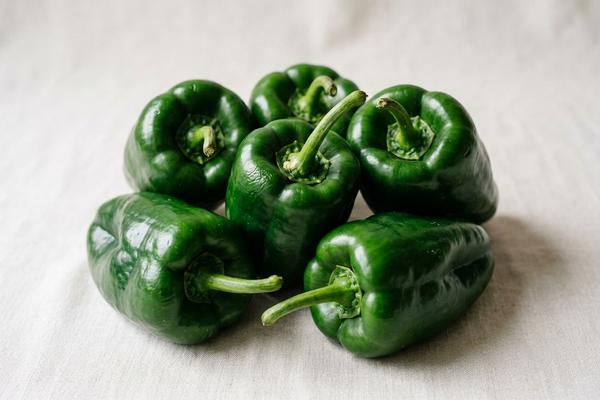
Barely hot. Char and peel. Becomes ancho when dried.
$ fresh Mexican
Used in Blender Queso with Roasted Green Chiles and 7 more
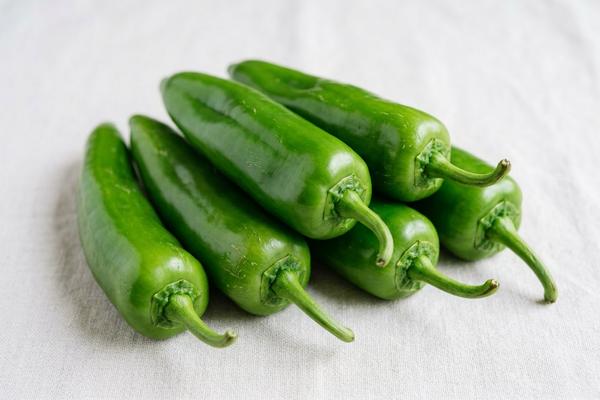
Mild and meaty. The green chile of New Mexico.
$ fresh Mexican American
Used in Hu Pi Qing Jiao, Hunan Tiger-Skin Peppers and 3 more
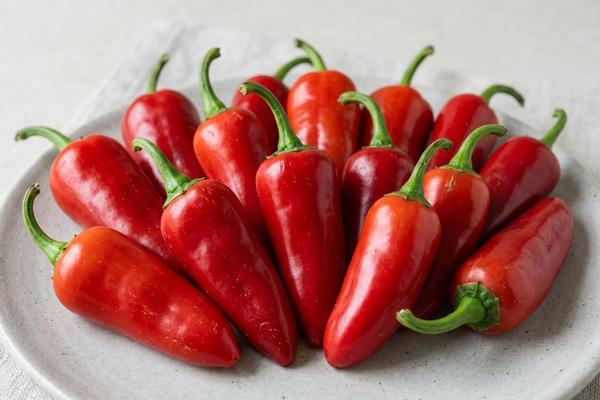
Red jalapeño lookalike, fruitier. Good raw.
$$ fresh American Mexican
Used in Ajad, Thai Cucumber Relish and 4 more
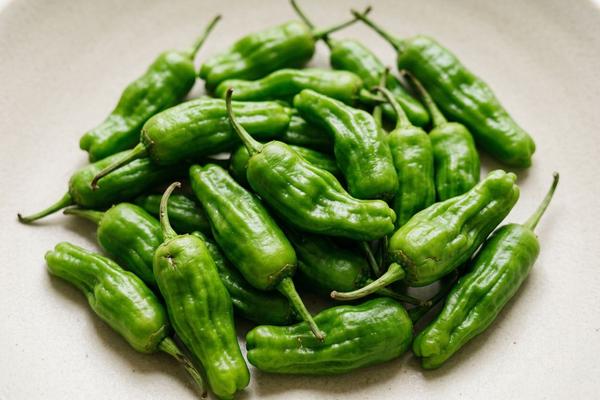
Sweet, one in ten is hot. Blister them dry.
$$ fresh Japanese
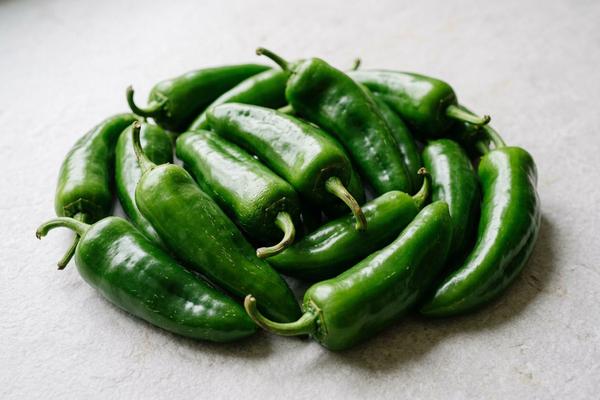
Slit, do not chop, if you want aroma without full heat.
$ fresh Indian
Used in Achcharu, Sri Lankan Vegetable Pickle and 42 more
Peru's everyday chile: fruity, floral, and only moderately hot, the color and backbone behind nearly every savory Peruvian dish.
$$ paste Peruvian check-label
Used in Aguadito de Verduras, Peruvian Cilantro Vegetable Soup and 19 more
Where the depth lives. Toast, soak, blend.
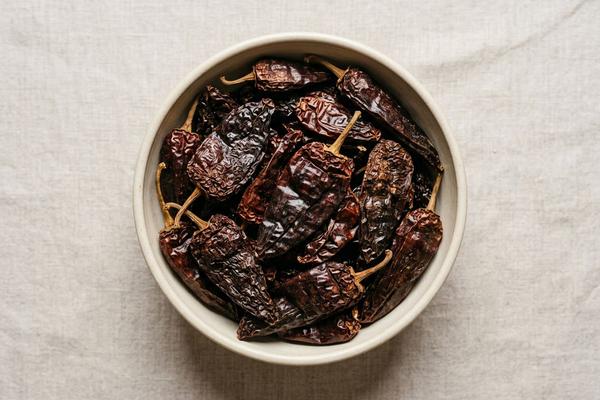
Dried poblano. Raisin and cocoa. The base of most mole.
$ dried Mexican
Used in Black Beans with a Toasted Chile Sofrito and 7 more
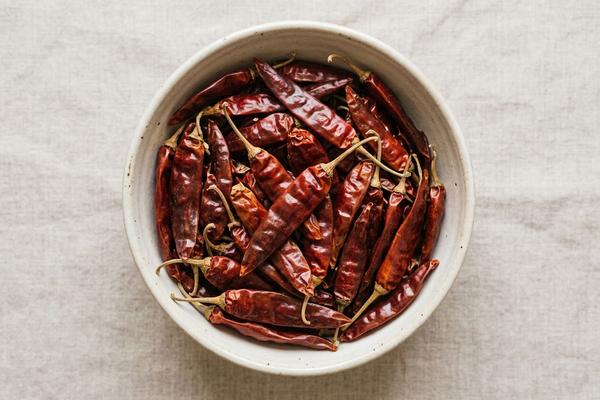
Tart, bright, moderate. The other half of the mole base.
$ dried Mexican
Used in Black Beans with a Toasted Chile Sofrito and 6 more
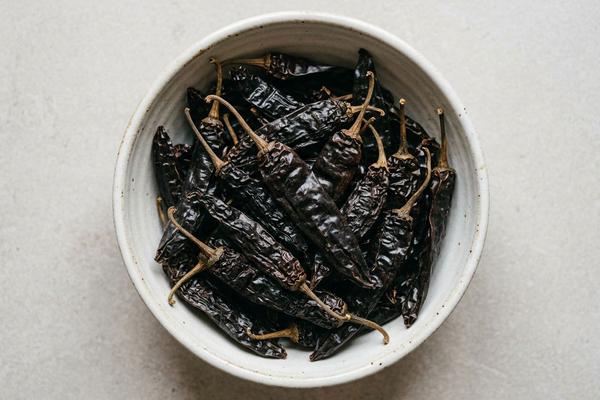
Dried chilaca. Herbal and dark. Completes the holy trinity.
$ dried Mexican
Used in Pozole Rojo and 1 more
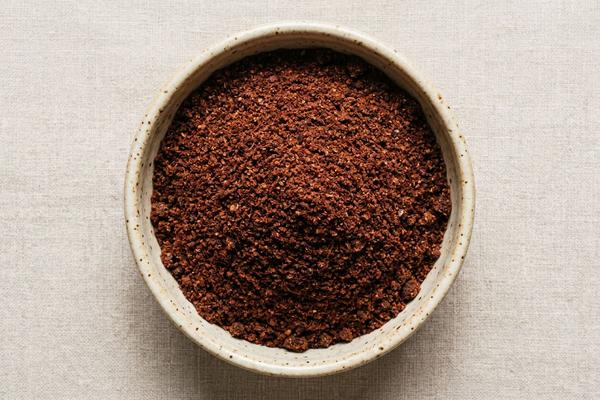
Smoked, dried jalapeño. Buy dried, not in adobo, which has oil.
$ dried Mexican check-label
Used in Black Beans with a Toasted Chile Sofrito and 7 more
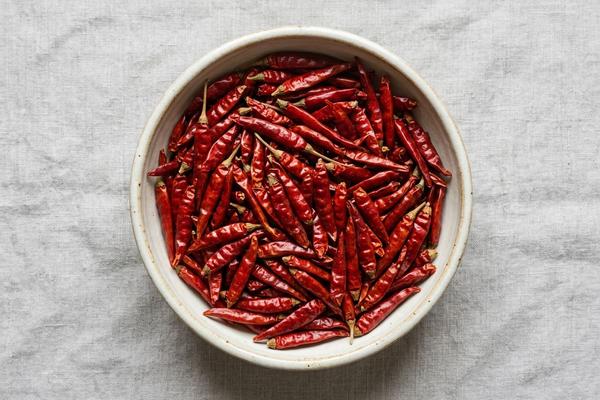
Straightforward and hot. For heat, not for body.
$ dried Mexican
Used in Cacahuates Enchilados, Mexican Chile-Lime Peanuts and 2 more
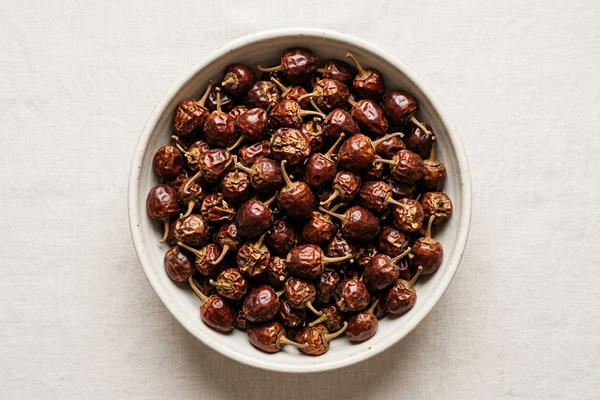
Rattles when shaken. Nutty and mild.
$$ dried Mexican
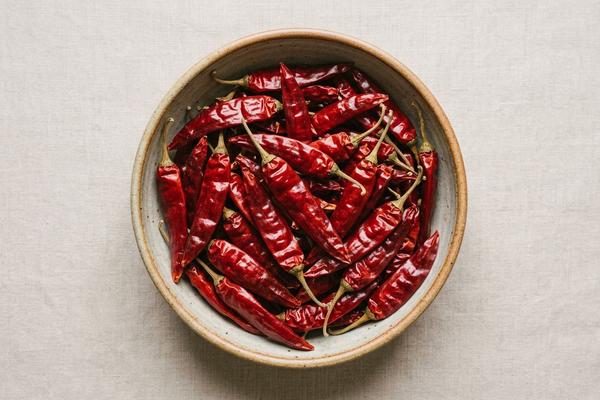
Enormous color, almost no heat. Why tandoori is red.
$ dried, ground Indian
Used in Achcharu, Sri Lankan Vegetable Pickle and 14 more
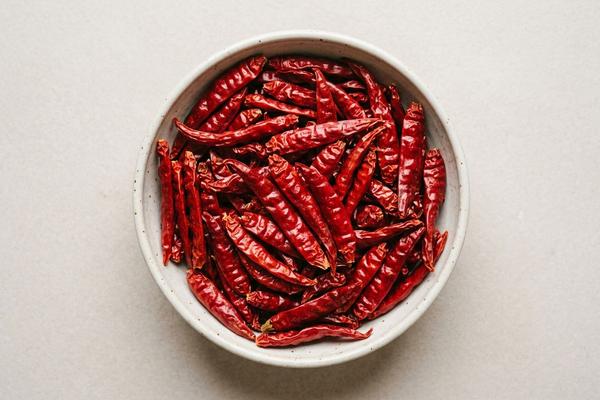
Wrinkled, deep red, mild. The South Indian color chile.
$ dried Indian
Used in Adai, South Indian Mixed Lentil Pancake and 8 more
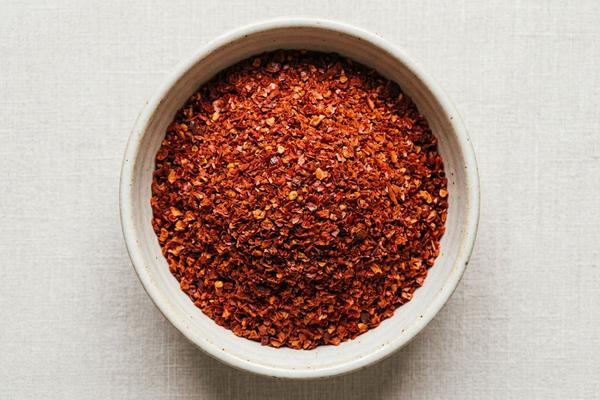
Fruity, mild, slightly salty. Often sold with salt added.
$$ flakes Turkish Middle Eastern check-label
Used in Acılı Ezme, Turkish Spicy Tomato Relish and 18 more
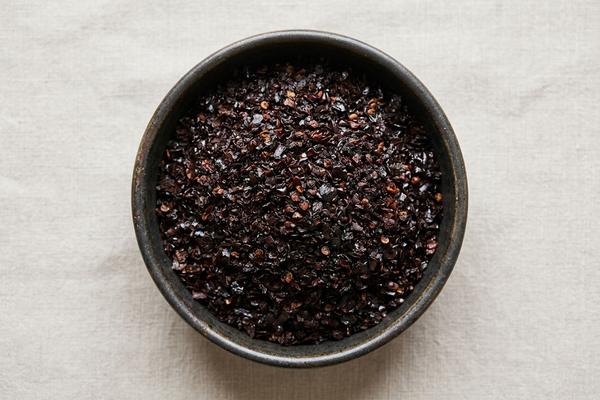
Raisin, chocolate, tobacco. Sun-dried and sweated.
$$ flakes Turkish
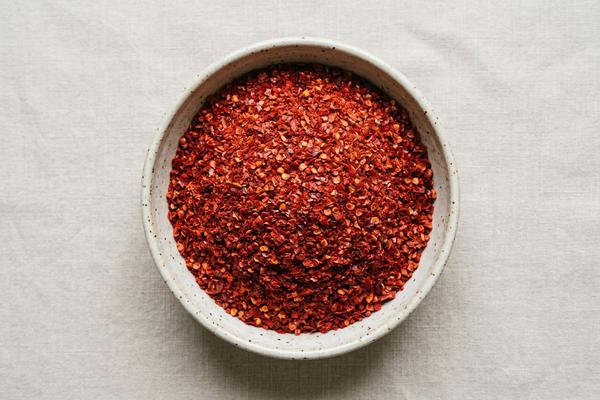
Coarse Korean flakes. Sweet, smoky, essential for kimchi.
$$ flakes Korean
Used in Baechu-geotjeori, Fresh Napa Cabbage Kimchi Salad and 16 more
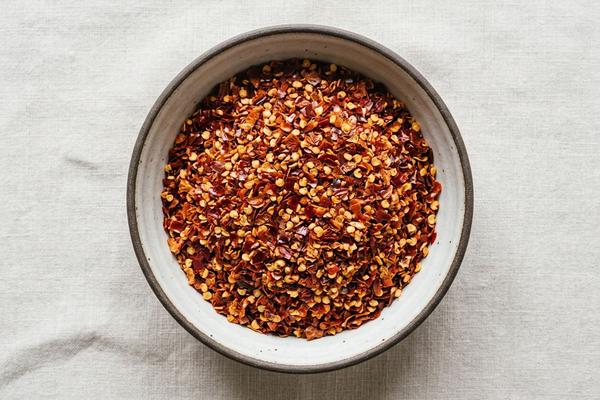
Generic and useful. Mostly cayenne with seeds.
$ flakes Italian American
Used in Batata Harra and 34 more
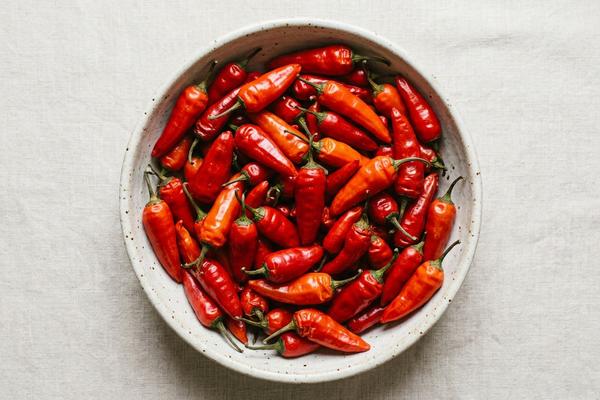
Fruity and fierce. Usually jarred in oil, so buy dried.
$$ dried Italian check-label
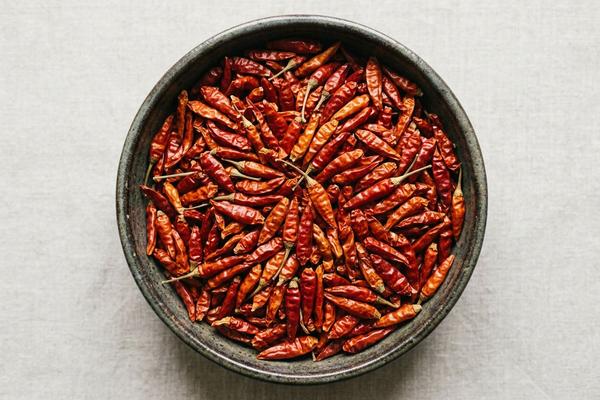
Toast until they darken. Do not inhale over the pan.
$ dried Thai Chinese
Used in Andhra Peanut Chutney and 17 more
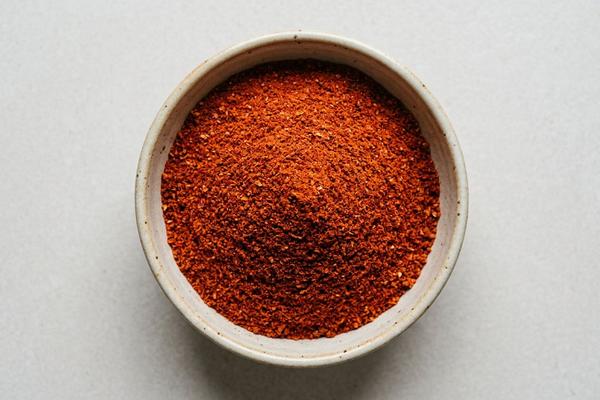
Ground single chile. Not the same as chili powder blend.
$ ground Mexican American
Used in Ala Thel Dala, Sri Lankan Deviled Potatoes and 23 more
Make your own and you control the salt.
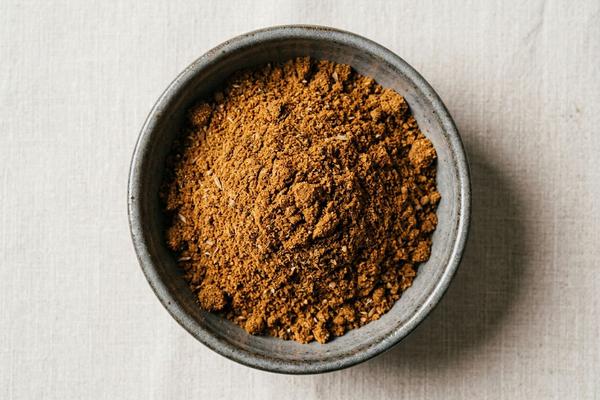
Finishing spice, not a base. Add in the last two minutes.
$ ground Indian make-your-own
Used in Aloo Gobi and 7 more
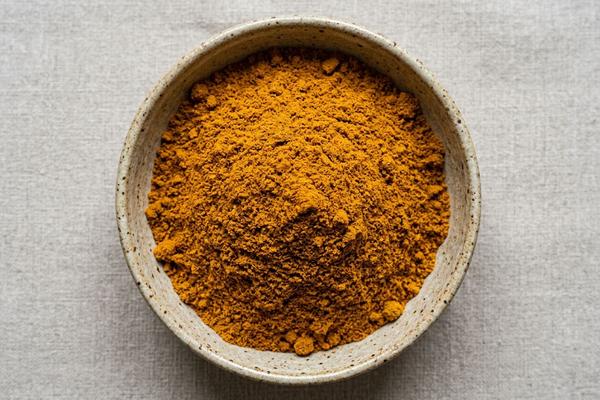
A British invention. Useful, but no Indian cook reaches for it.
$ ground British Indian Japanese
Used in Bonchi Thel Dala, Sri Lankan Tempered Green Beans and 9 more
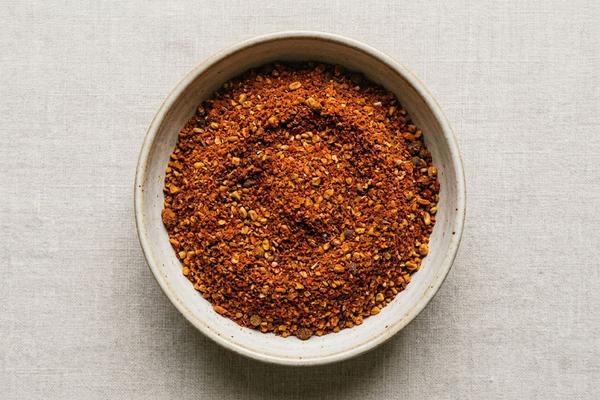
Chile-forward Ethiopian blend. Fenugreek and ajwain make it.
$$ ground Ethiopian make-your-own
Used in Awaze and 9 more
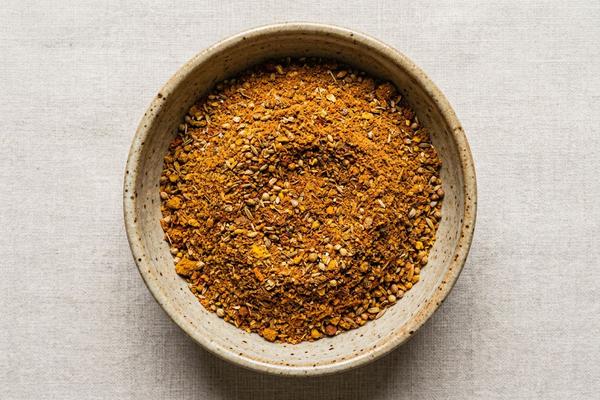
Up to thirty spices. Every shop's is different.
$$ ground Moroccan North African make-your-own
Used in Berkoukes, Amazigh Vegetable and Pasta Soup and 9 more
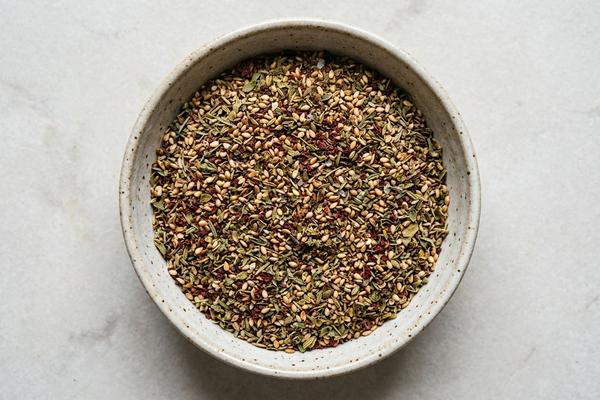
Thyme, sumac, sesame. Usually salted, so make it yourself.
$ ground Middle Eastern sodium make-your-own
Used in Plant Labneh with Za'atar and Sumac and 2 more
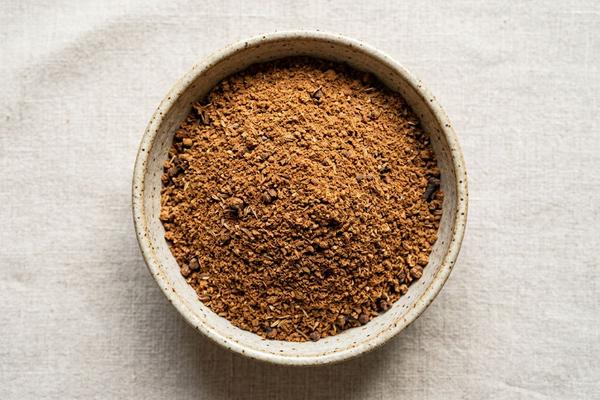
Star anise, fennel, cinnamon, clove, Sichuan pepper.
$ ground Chinese Vietnamese make-your-own
Used in Five-Spice Simmered Peanuts and 1 more
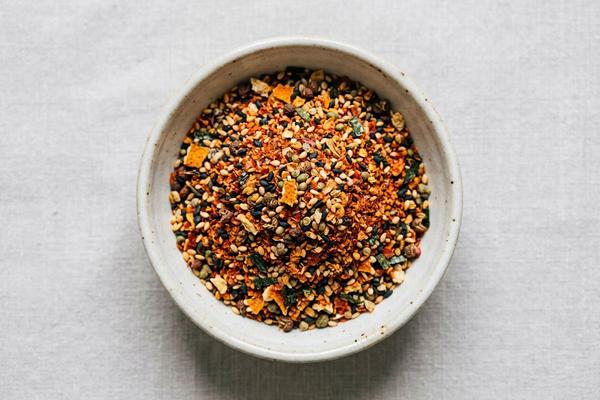
Seven flavors including nori and orange peel. Often salted.
$$ ground Japanese sodium check-label
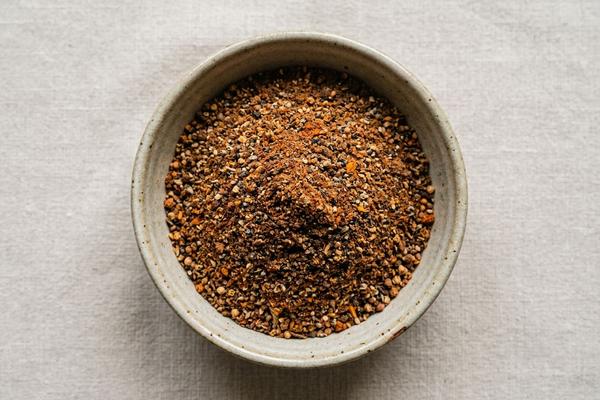
Warm, sweet, peppery. The everyday Levantine blend.
$ ground Middle Eastern Turkish make-your-own
Used in Baharat Roasted Chickpeas and 1 more
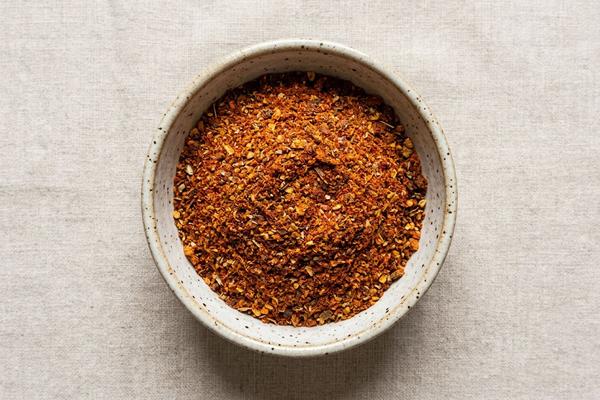
Chile, cumin, oregano, garlic. Usually salted. Make your own.
$ ground American Tex-Mex sodium make-your-own
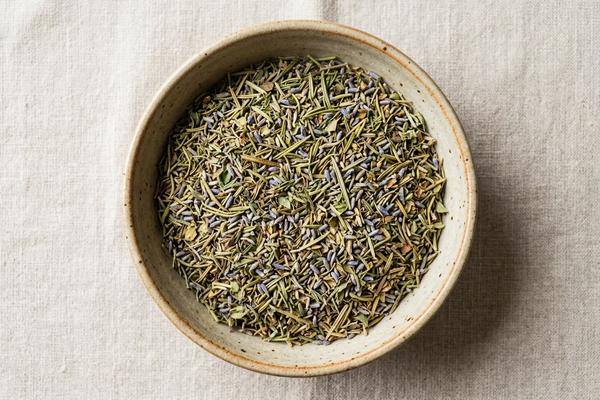
Thyme, savory, rosemary, sometimes lavender.
$ dried French
Used in Amandes aux Herbes de Provence, French Roasted Almonds and 2 more
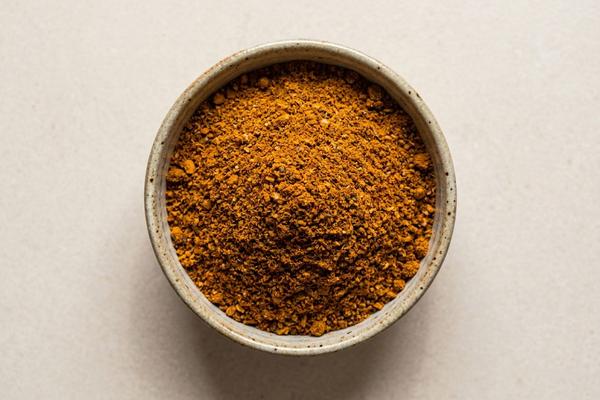
Roasted lentils ground with spices. Unique in the spice world.
$ ground Indian make-your-own
Used in Sambar and 1 more
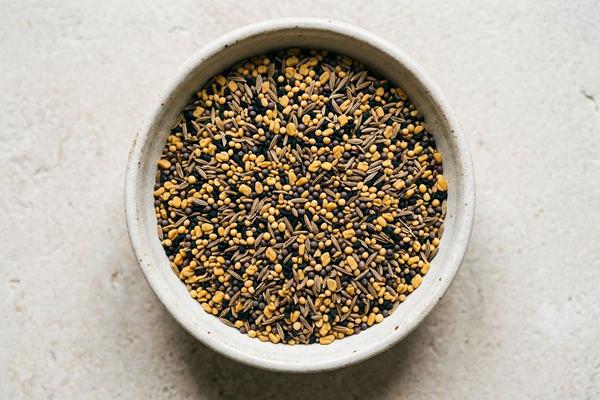
Five whole seeds, equal parts, never ground.
$ whole Indian make-your-own
Used in Chorchori, Bengali Mixed Vegetables with Panch Phoron and 1 more
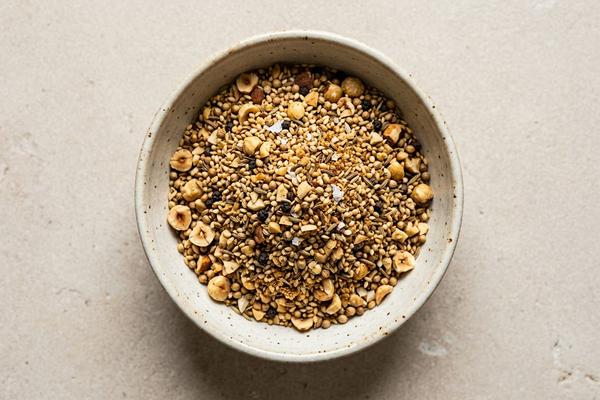
Nuts, seeds, spices. Texture as much as flavor.
$$ ground North African whole-food-fat make-your-own
What you reach for instead of salt. The most underused tool.
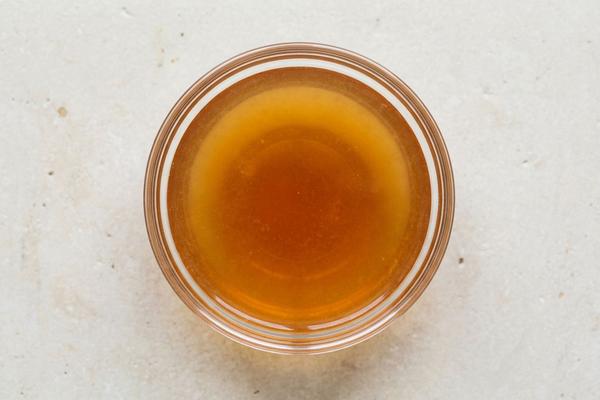
The everyday vinegar. Mellow enough to use by the tablespoon.
$ liquid American European (general)
Used in Acar Kuning, Indonesian Turmeric Pickle and 62 more
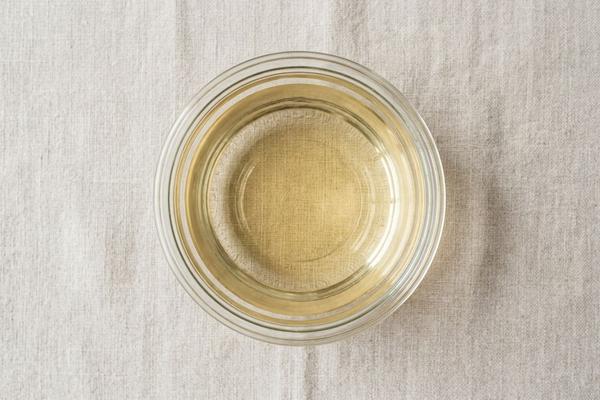
Seasoned means sugar and salt were added. Read it.
$ liquid Japanese Chinese Korean check-label
Used in Ajad, Thai Cucumber Relish and 35 more
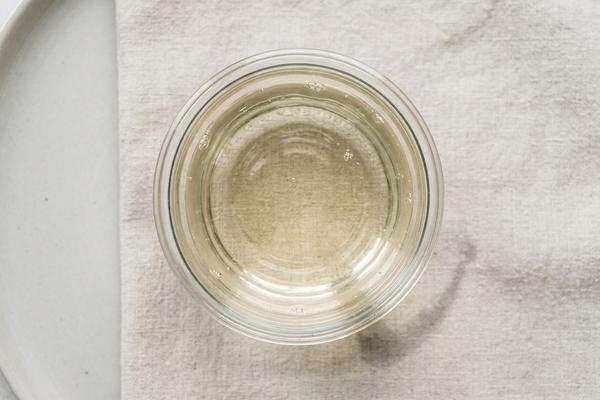
Clean and sharp. For anything French or delicate.
$ liquid French Mediterranean
Used in Bohnensalat, German Bean Salad with Savory and 48 more
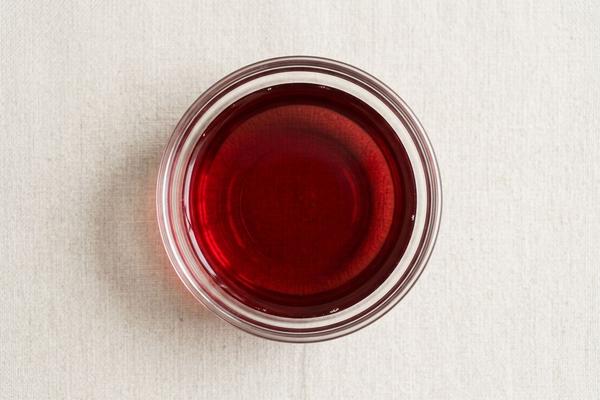
Rounder and fruitier. Beans and lentils love it.
$ liquid Mediterranean Spanish
Used in Ajvar, Serbian Roasted Red Pepper Relish and 52 more
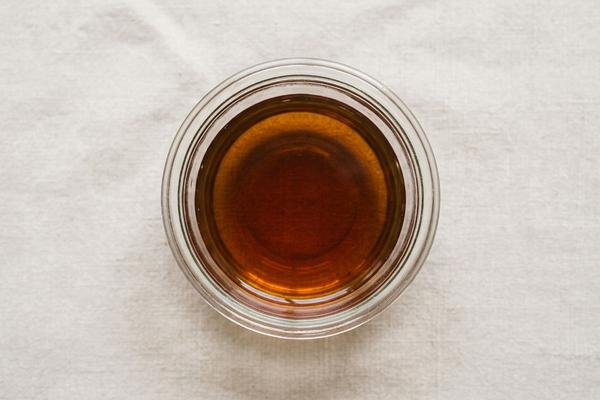
Nutty and complex. The most flavorful vinegar per drop.
$$ liquid Spanish
Used in Ajoblanco, Andalusian Chilled Almond Soup and 15 more
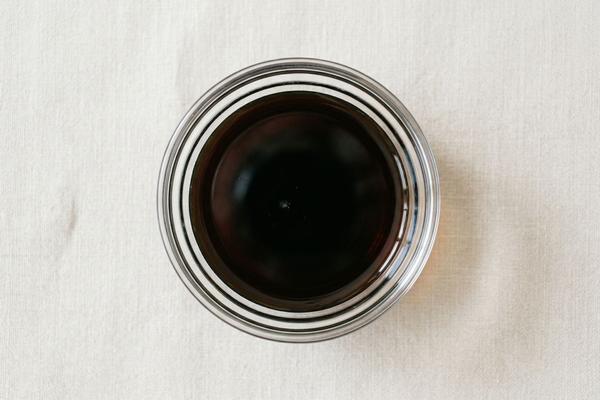
Sweet. Cheap ones are colored with caramel. Check the label.
$$ liquid Italian natural-sugar check-label
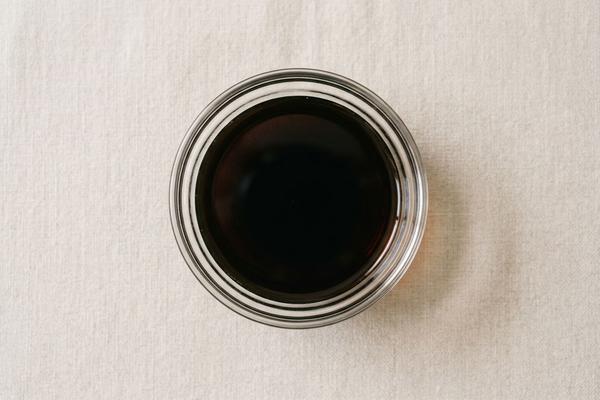
Malty, smoky, low acid. Nothing in the West resembles it.
$ liquid Chinese
Used in Cold Celery and Peanut Salad and 17 more
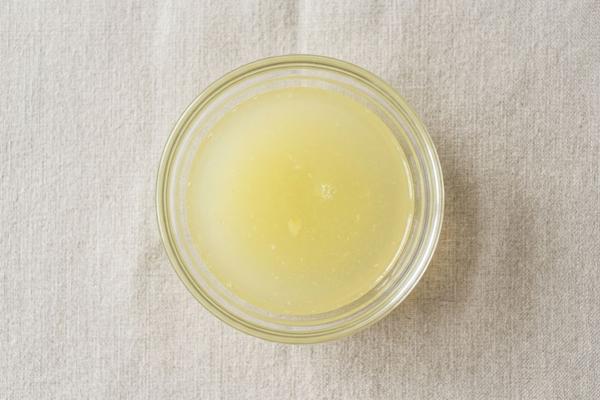
The single most effective substitute for salt at the table.
Used in Acılı Ezme, Turkish Spicy Tomato Relish and 185 more
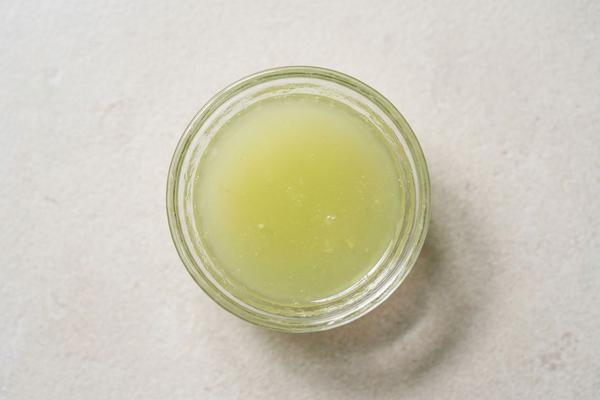
Louder than lemon. Finish, do not cook, with it.
$ fresh Mexican Thai Indian
Used in Aguadito de Verduras, Peruvian Cilantro Vegetable Soup and 158 more
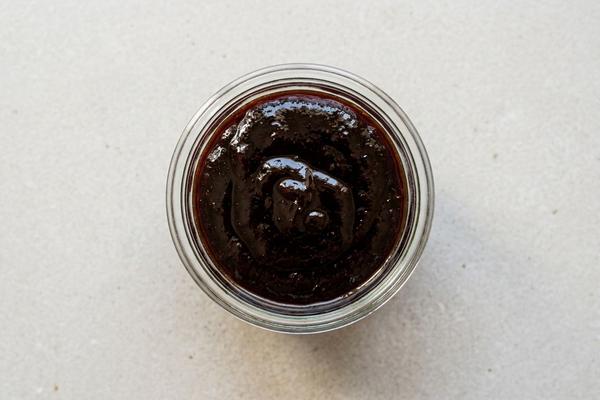
Sour and sweet. Reduced juice, sometimes with added sugar.
$$ liquid Middle Eastern Persian natural-sugar check-label
Used in Acılı Ezme, Turkish Spicy Tomato Relish and 12 more
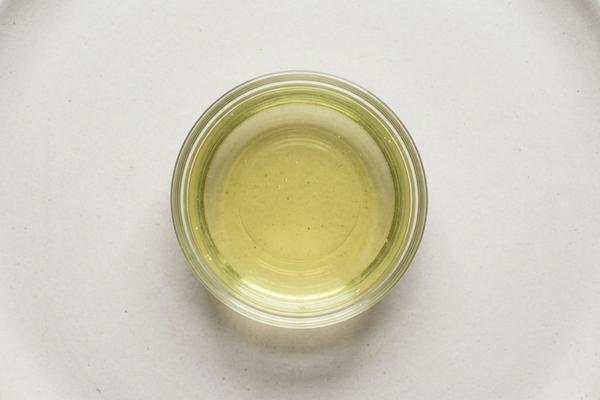
Unripe grape juice. Acid without vinegar's harshness.
$$$ liquid Persian French
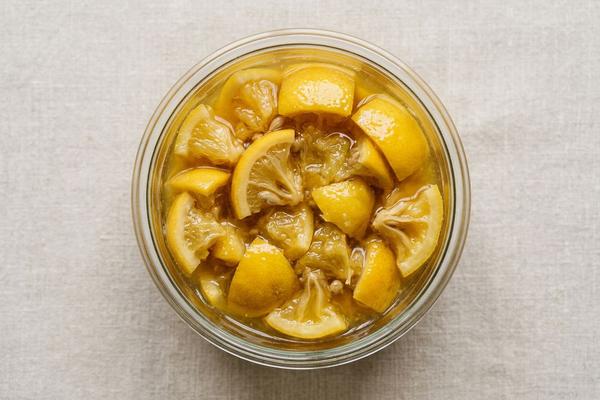
Salt-cured. Rinse it, use the rind, discard the flesh.
$$ jarred Moroccan North African sodium
Used in Bakoula, Moroccan Braised Greens and 2 more
Savory intensity without meat, oil, or bouillon cubes.
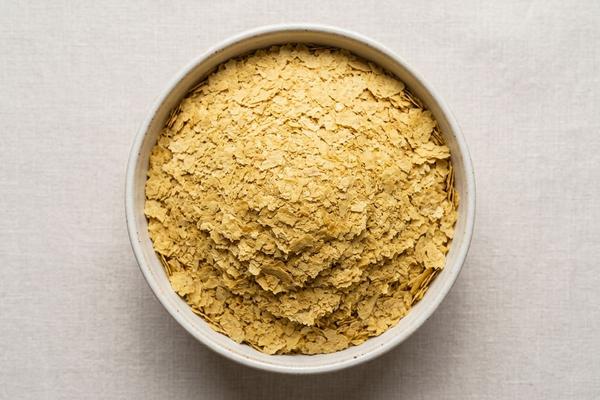
Cheesy, nutty, B12-fortified. Not a health food gimmick.
$$ flakes American
How to prep: Whole-Food Substitutions
Used in Aji Verde, Peruvian Green Sauce and 31 more
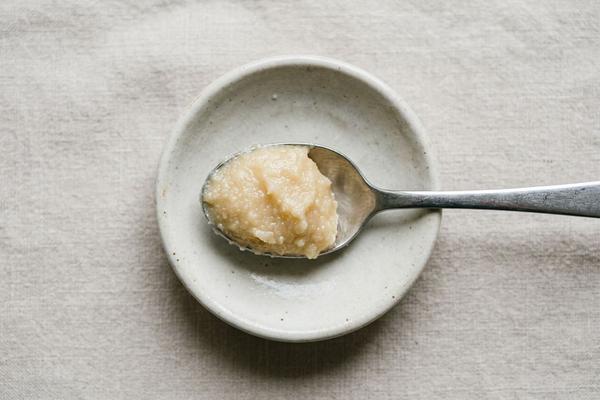
Sweet and mild. Add off the heat or you kill the culture.
$$ paste Japanese sodium
Used in Bumbu Pecel, Javanese Peanut Sauce and 18 more
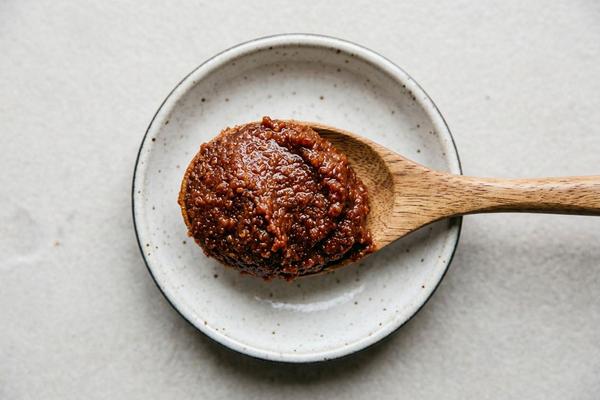
Long-fermented, aggressive, salty. Use half as much.
$$ paste Japanese sodium
Used in Mapo Tofu with Mushrooms and 1 more
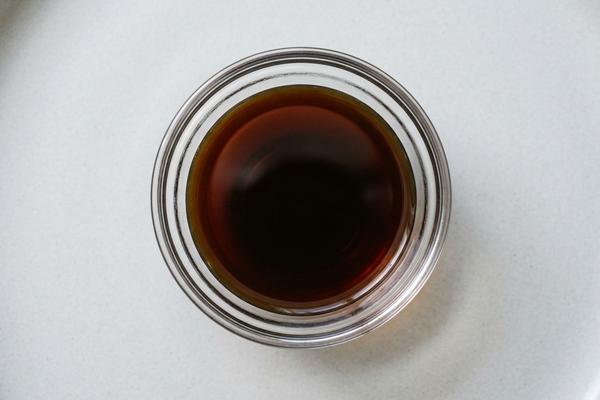
Wheat-free soy sauce. Still sodium. Dilute it.
$ liquid Japanese Chinese sodium
Used in Adobo White Bean Dip and 91 more
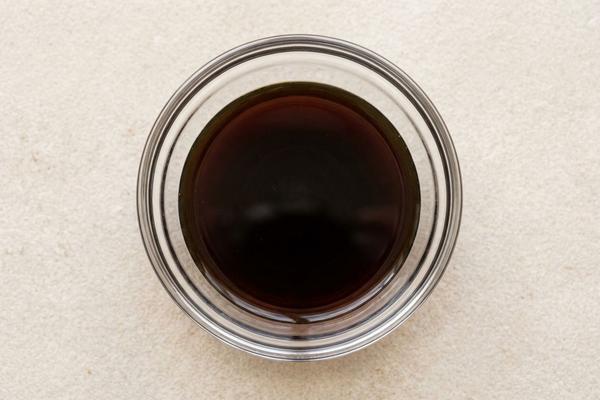
Sweeter, far less sodium than soy. Not the same flavor.
$$ liquid American natural-sugar
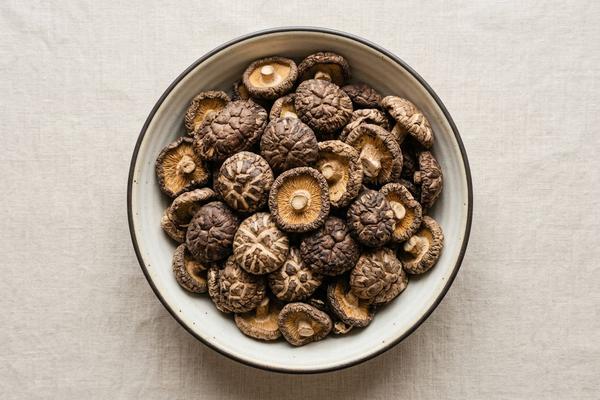
Rehydrate. The soaking liquid is a free vegetable stock.
$$ dried Chinese Japanese
Used in Baechu-guk, Napa Cabbage and Soybean Paste Soup and 14 more
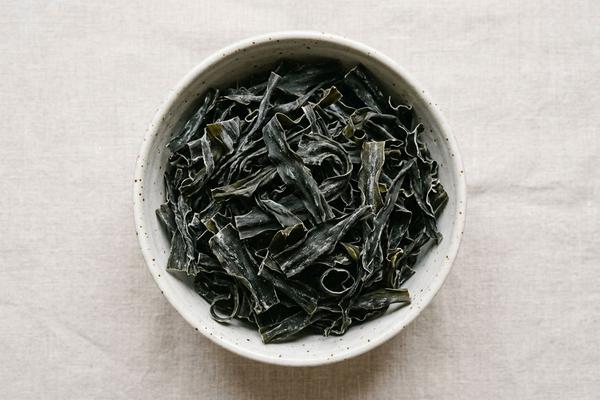
Dried kelp. Glutamate in its purest natural form.
$$ dried Japanese Korean
Used in Azuki-gayu, Japanese Red Bean Rice Porridge and 17 more
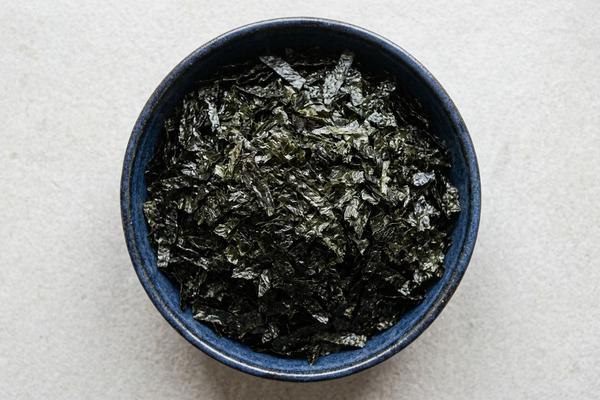
Sheets of dried seaweed. Crumble into anything for ocean depth.
$ dried Japanese Korean
Used in Horenso no Ohitashi, Spinach Steeped in Dashi and 5 more
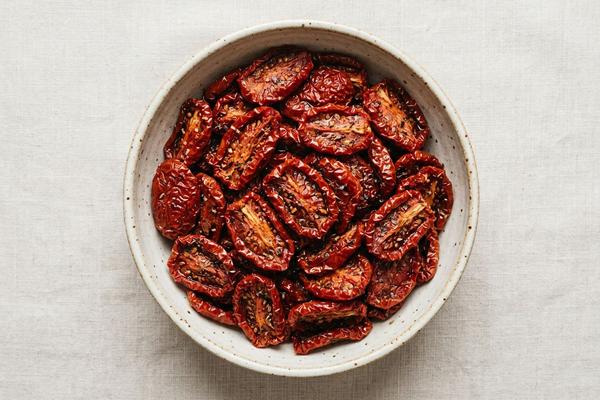
Dry-packed, not oil-packed. Rehydrate them yourself.
$$ dried Italian Mediterranean check-label
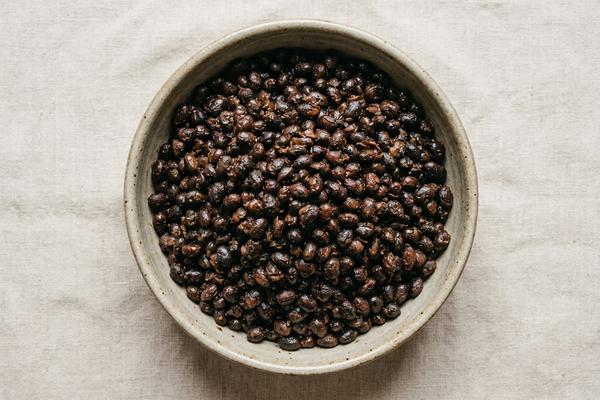
Salted, funky soybeans. Rinse before use.
$ dried Chinese sodium
Used in Douchi Jiang, Fermented Black Bean and Ginger Relish and 1 more
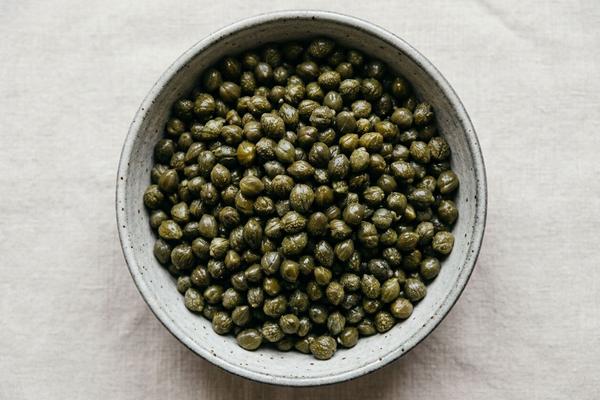
Brined flower buds. Rinse hard. Pop of salt and floral bitterness.
$$ jarred Italian Mediterranean sodium
Used in Caesar Salad and 10 more
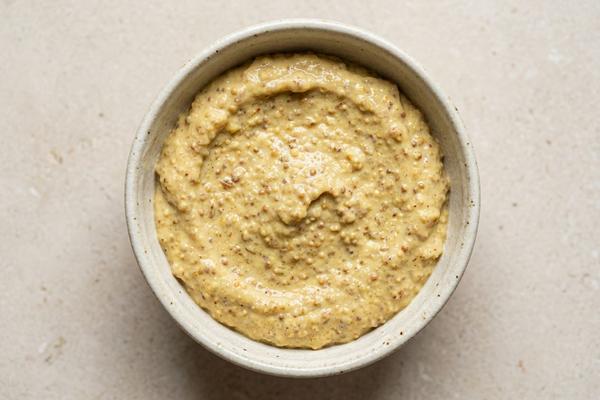
Emulsifies dressings with zero oil. Check for added sugar.
$ jarred French sodium check-label
Used in American Potato Salad and 45 more
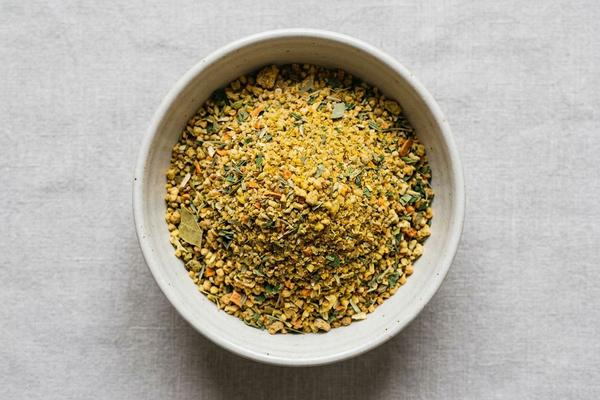
Most bouillon is salt with a vegetable rumor. Find the no-salt kind.
Used in Acquacotta, Tuscan Vegetable Soup and 129 more
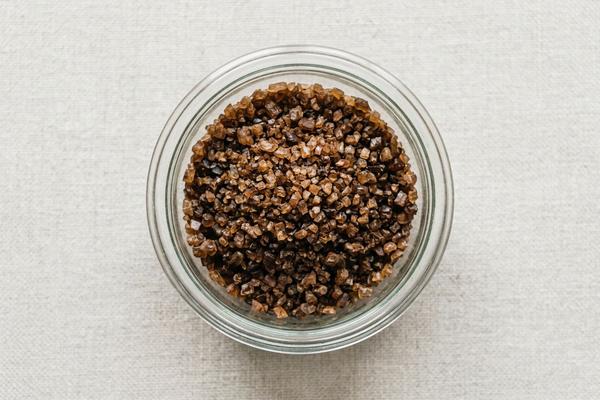
Smoke is a flavor, not an ingredient. A drop replaces bacon.
$ liquid American sodium check-label
Used in Collard Greens, Southern Style and 1 more
Rehydrates in minutes and turns a plain broth into a bowl with real texture.
$$ dried Japanese Korean
Used in Miso Soup with Tofu and Wakame and 4 more
Dried seaweed that swells about eightfold into glossy black strands, mineral and faintly sweet, best eaten occasionally rather than daily given its naturally higher inorganic arsenic content.
$$ dried Japanese caution
Used in Hijiki-Style Simmered Vegetables
Fermented from soybeans alone with no rice koji, so it runs funkier and saltier than miso. The base of jjigae.
$$ paste Korean sodium
Used in Baechu-guk, Napa Cabbage and Soybean Paste Soup and 2 more
Creamy textures with no dairy and no oil.
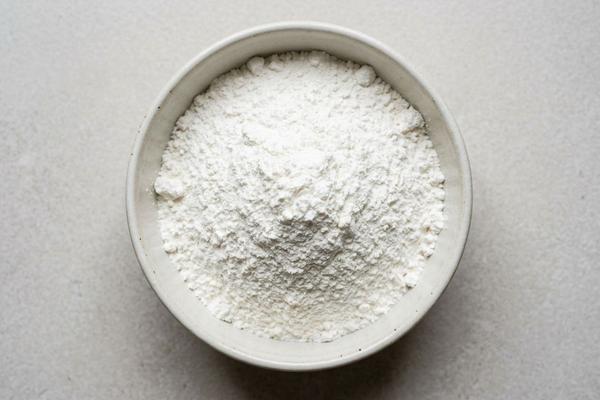
Cloudy when cold, clear when hot. Slurry it first.
$ powder Chinese American
Used in Apple and Oat Crumble and 25 more
Lifts egg-free baking that would otherwise set dense. About 480 mg sodium per teaspoon, so count it in the nutrition math.
Used in Aiko's Healthy Bomb Cookies
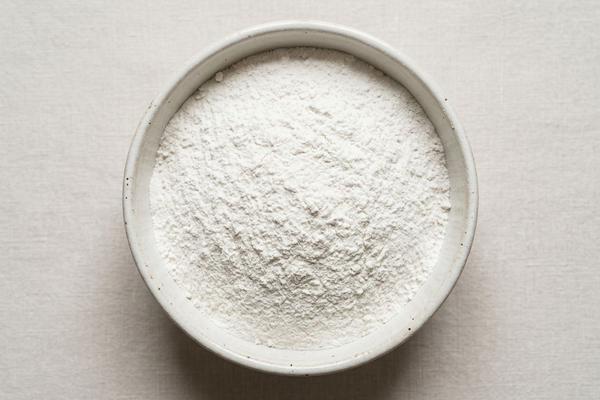
Freezes and reheats without breaking. Cornstarch does not.
$$ powder Caribbean American
Used in Phat Phak Ruam, Thai Stir-Fried Mixed Vegetables and 1 more
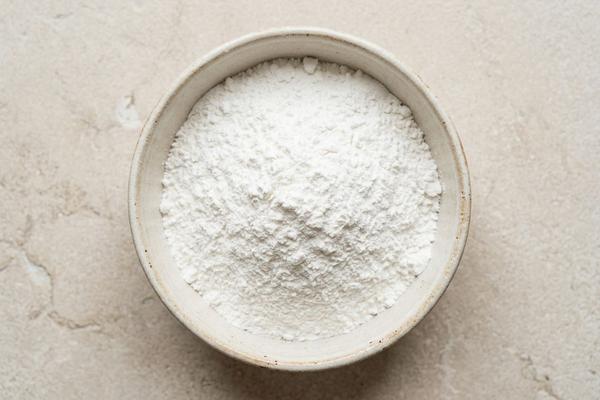
Silkiest of the starches. Loses power if boiled hard.
$$ powder Japanese Eastern European
Used in Appelkram, Swedish Apple Snow with Cardamom and 7 more
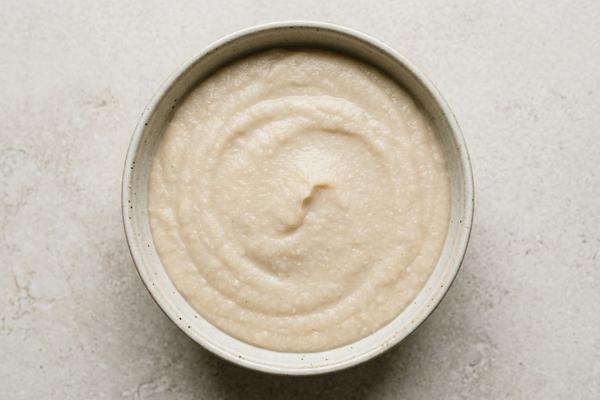
The best thickener here. Free protein, free fiber, no starch.
Used in Celeriac Remoulade and 7 more
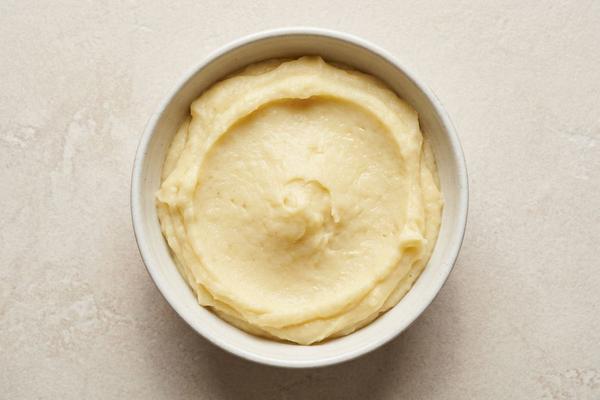
Boil, blend with the cooking water. Creamy, glossy, zero fat.
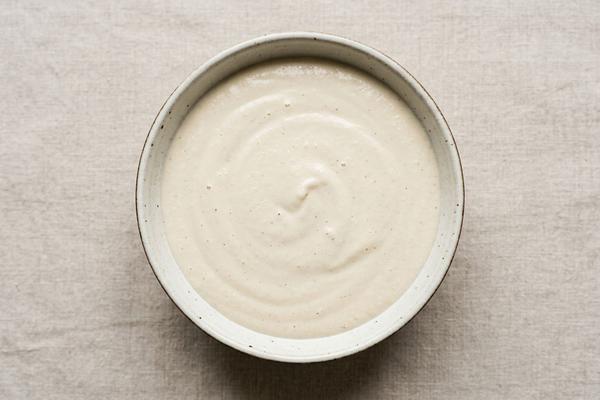
Soaked cashews plus water, blended for two minutes.
$$$ blended Indian American whole-food-fat
How to prep: Whole-Food Substitutions
Used in Æblekage, Danish Apple and Oat Trifle and 1 more
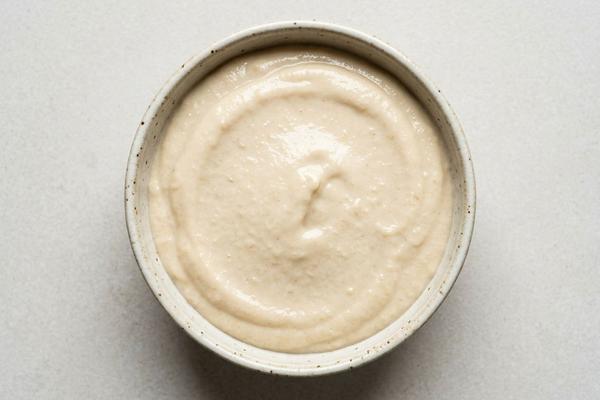
Blended rolled oats and water, strained. Costs almost nothing.
$ blended Scandinavian
Used in Leipziger Allerlei, Saxon Spring Vegetables and 8 more
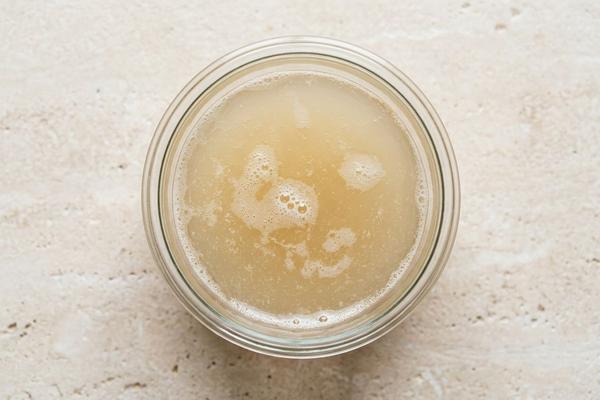
The liquid in a chickpea can. Whips like egg white. Free.
Used in Apple Snow and 4 more
Unsweetened only. Read the label for oils and gums.
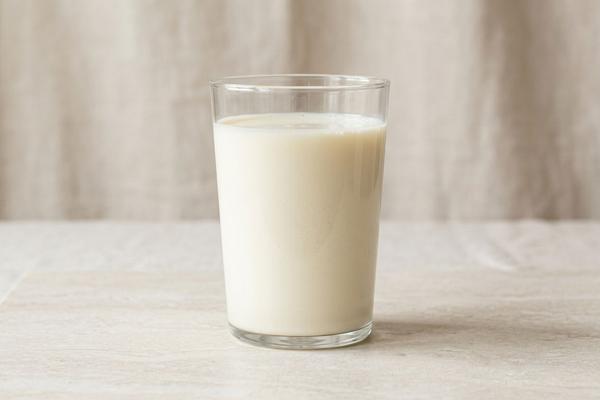
The only plant milk with protein comparable to dairy.
Used in Aji Verde, Peruvian Green Sauce and 96 more
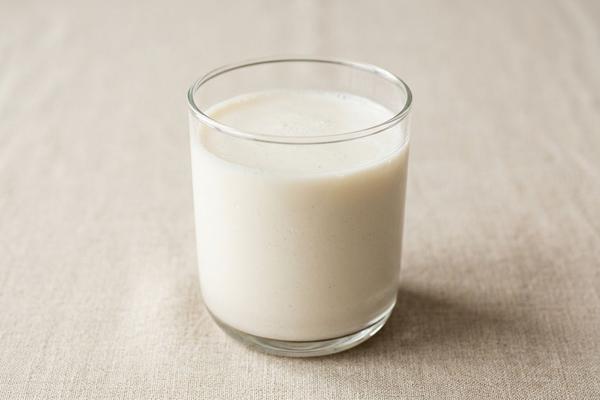
Creamiest mouthfeel. Often contains added oil. Read it.
Used in Blomkalssuppe, Danish Cauliflower and Dill Soup and 10 more
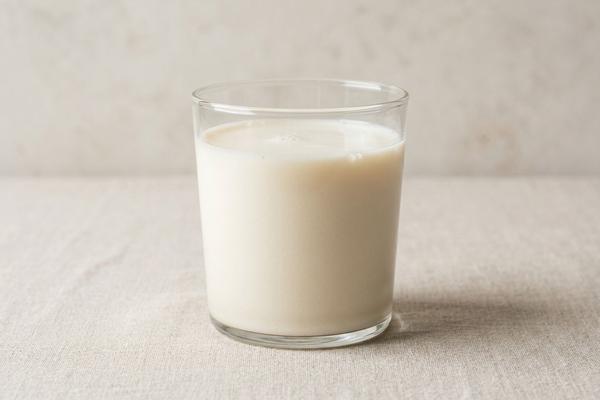
Thin and low calorie. Almost no protein.
Used in Apple and Oat Crumble and 7 more
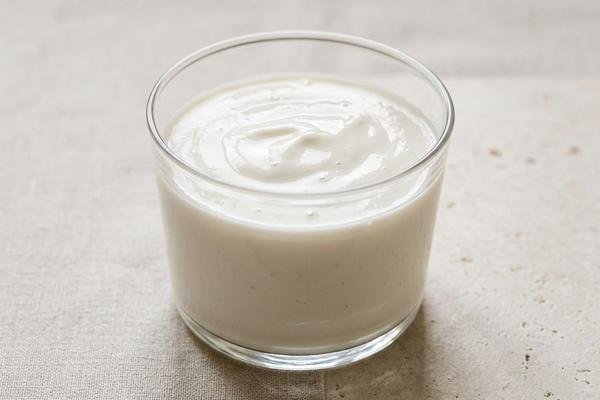
Soy-based has the most protein. Check for added sugar.
Used in Ab-Doogh-Khiar, Persian Cold Yogurt Soup and 44 more
Nothing matches. Loosen a filter.