Irio, Kenyan Peas and Potato Mash
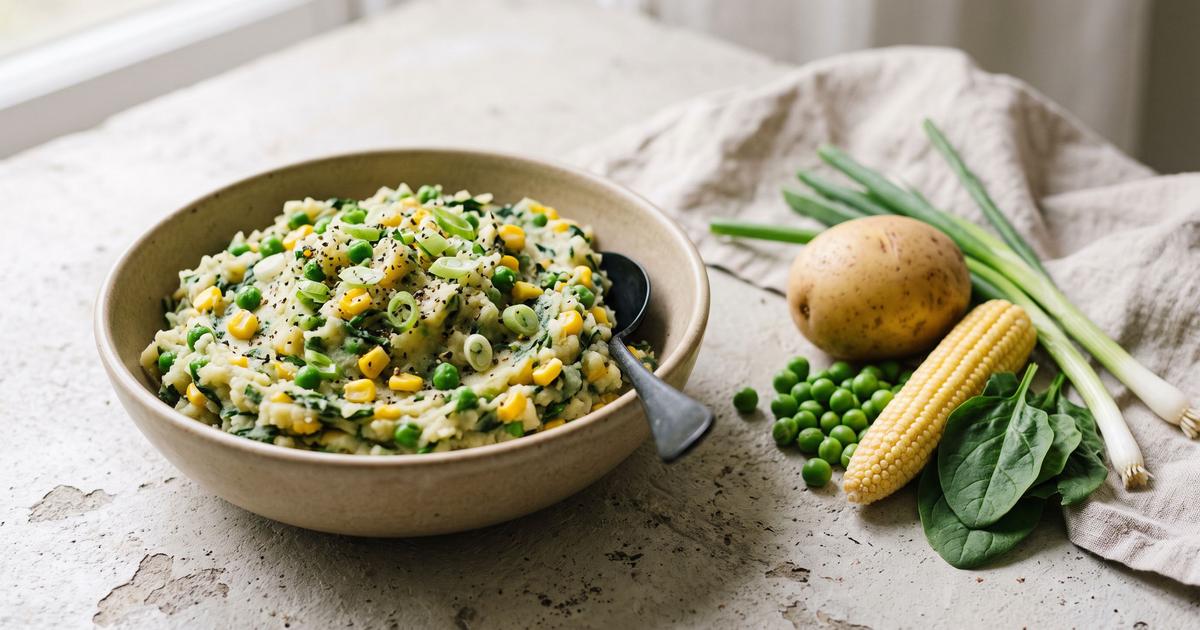
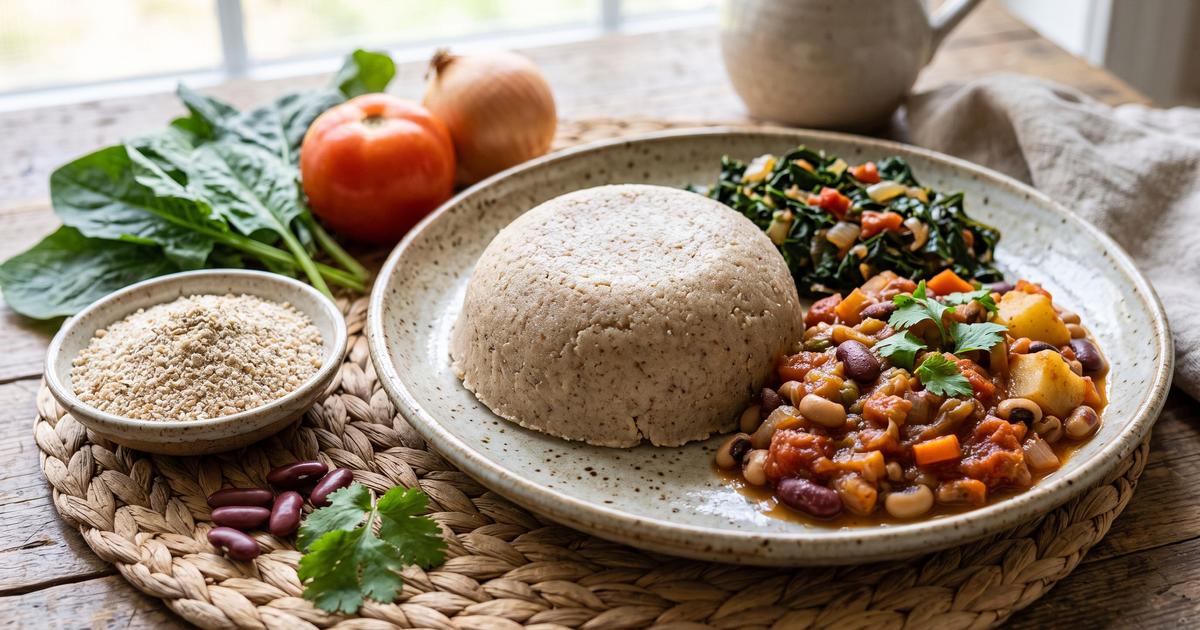
Irio comes from the Kikuyu highlands of central Kenya, a mash of potatoes with green peas and maize, sometimes with greens folded through to color it. It is close kin to mukimo, the same idea dressed up for celebrations, and it usually shares a plate with a stew or grilled vegetables that lend it their sauce. The dish is naturally built for this kind of cooking: no fat is traditional to the mash itself, just starchy potato loosened with its own cooking water and studded with whole peas and corn for texture. Green peas bring a real dose of protein and fiber for a potato dish. Season it hard with black pepper, which the Kikuyu grow, and press it into a dome to serve.
Ingredients
- 1 lb Potatoes, peeled and cubed
- 1 1/2 cups Frozen peas
- 1 cup Frozen corn
- 2 cups Spinach, chopped
- 3 wholes Scallions, sliced
- 1/2 tsp Black peppercorns, freshly ground
- 1 tbsp Lemon juice
Method
- Boil the potatoes in unsalted water for about 15 minutes, adding the peas for the last 5. Cooking them together saves a pot, and the peas need only a few minutes to go tender and sweet without turning gray.
- Wilt the spinach into the pot in the final minute, then drain, saving a cup (240 ml) of the cooking water. The greens are what tint irio its pale green, and holding back some water gives you the means to loosen the mash later.
- Return everything to the pot and mash, working in the reserved water a splash at a time until it is thick but not stiff. Potato starch tightens as it cools, so keep the mash looser than you think you want and it will settle to just right.
- Fold in the corn and scallions whole, without mashing them. They are the textural contrast, the sweet pop and the fresh crunch against the smooth base, so they stay intact on purpose.
- Season with plenty of black pepper and a squeeze of lemon. The pepper and the acid stand in for salt, and irio is traditionally pressed into a mound with the back of a spoon before it goes to the table.
Nutrition
Estimated per serving: 165 calories, 6 g protein, 6 g fiber, 40 mg sodium. Computed from USDA FoodData Central reference values for the main ingredients. This is an approximation, not a laboratory measurement. How these are computed.
Cost per serving is estimated from US national-average retail prices for cheap staple forms, using BLS dried-bean prices and USDA produce prices. Prices vary by store and season, so treat it as a guide, not a receipt. How this is computed.