Adobo White Bean Dip
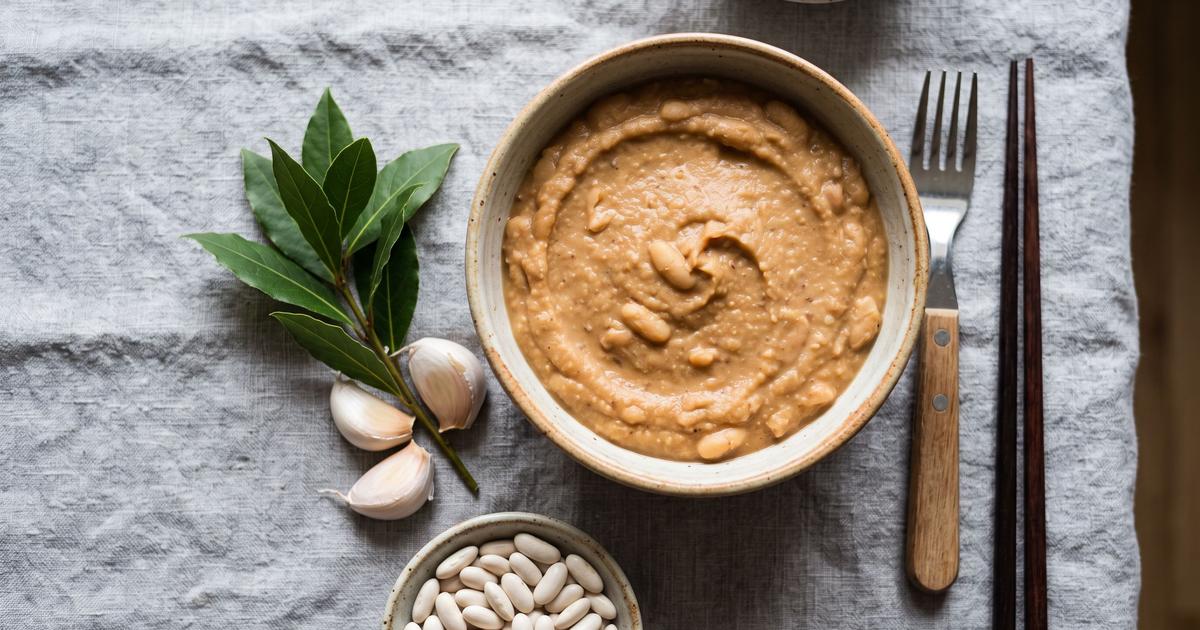
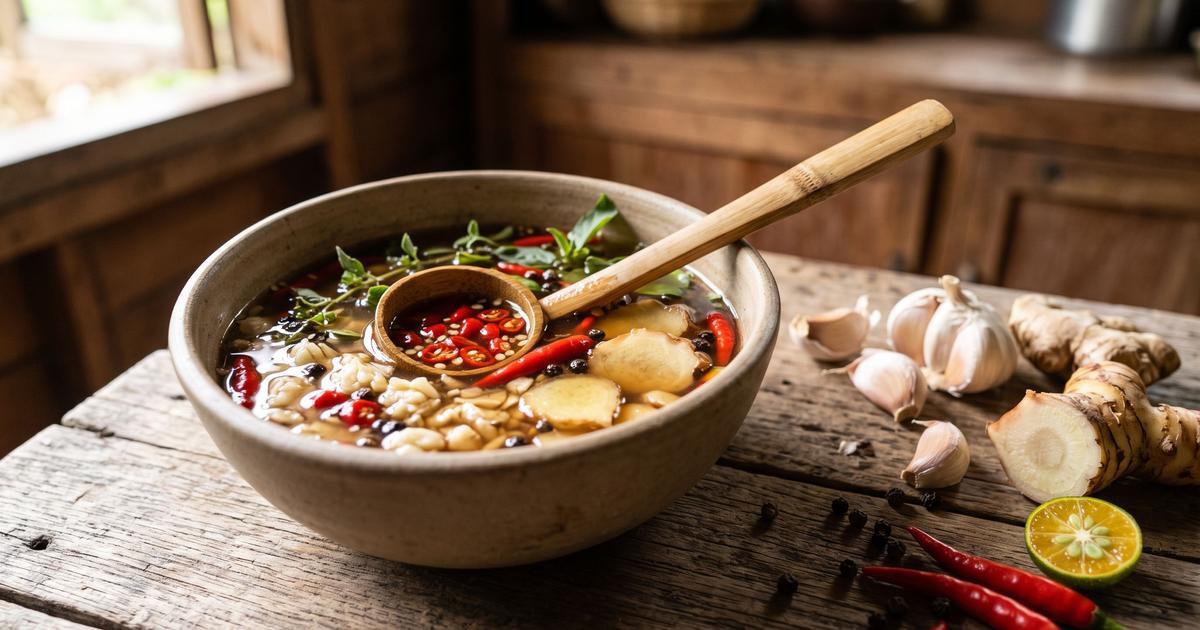
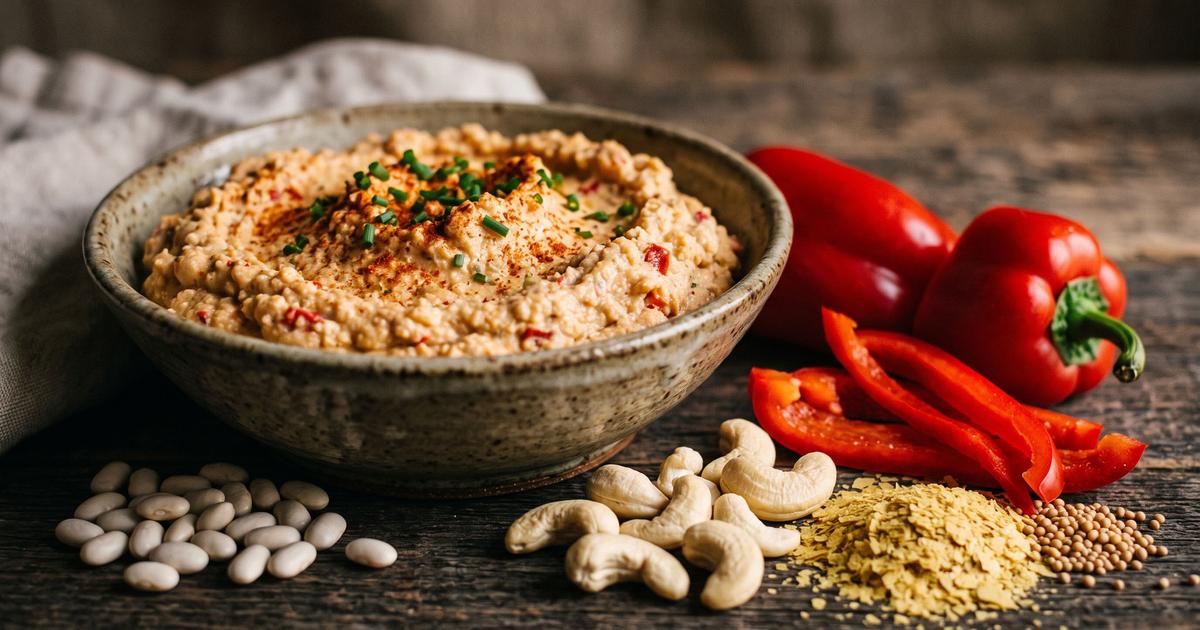
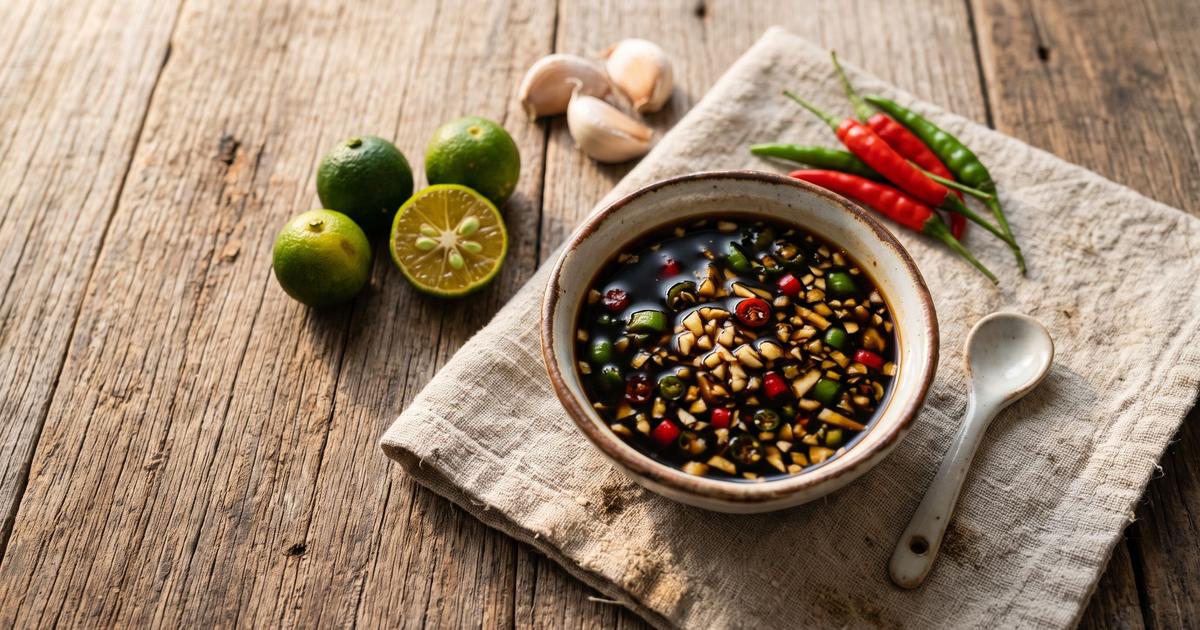
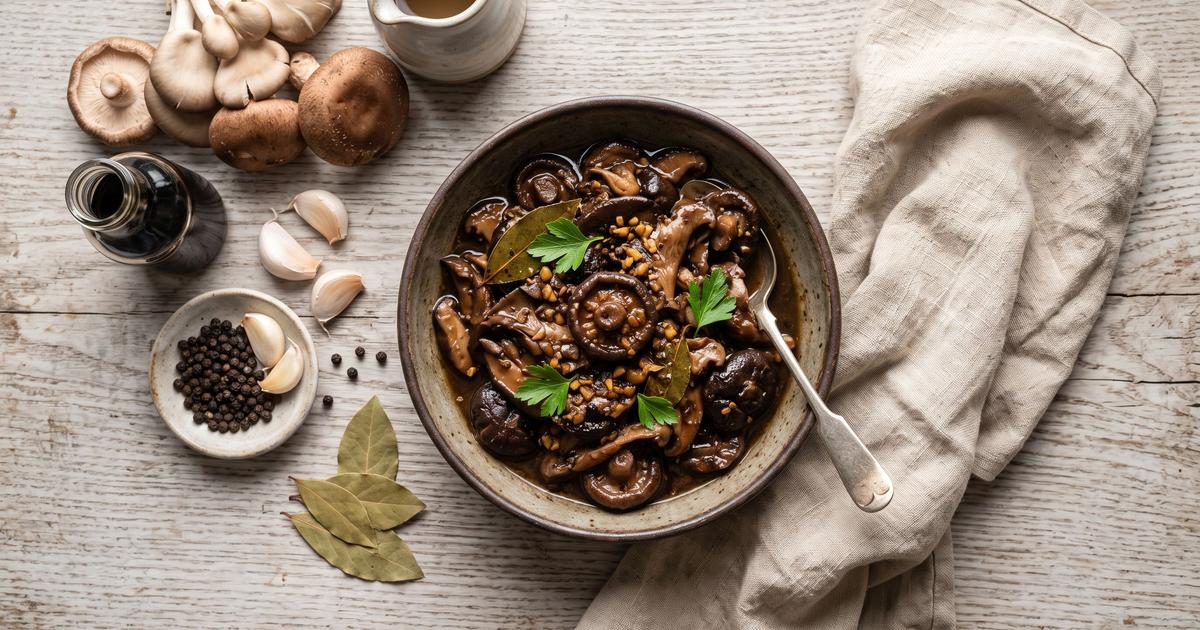
This is an original dip built on the flavor base of Filipino adobo: garlic, cane vinegar, bay, and black pepper, with soy in the background. Instead of braising meat, those aromatics are simmered down and blended into creamy cannellini beans, which carry the tang and give the dip its body and protein. A cane vinegar is traditional, and unfiltered apple cider vinegar is the closest easy substitute. A tablespoon of tamari plays the part of the soy sauce, and because it is the only salted ingredient it stays measured and light. It thickens as it chills, so loosen it with a little bean liquid before serving.
Ingredients
- 3 cups Cannellini beans, cooked and drained, liquid reserved
- 6 cloves Garlic, minced
- 2 tbsp Apple cider vinegar
- 2 wholes Bay leaves
- 1 tsp Black peppercorns, coarsely cracked
- 1 tbsp Low-sodium tamari
Method
- Cook the minced garlic in a splash of water over medium heat until soft and fragrant but not colored, about 3 minutes. Softening it first takes the raw bite off so the finished dip tastes of round, cooked garlic rather than sharp fresh garlic.
- Add the vinegar, bay leaves, cracked pepper, and a quarter cup (60 ml) of water and simmer for 5 minutes. Adobo lives on that vinegar, but simmering it cooks off the harsh raw acid and leaves the mellow, savory tang behind. Fish out the bay leaves at the end.
- Scrape the garlic mixture into a blender or food processor with the beans and the tamari. Blend until completely smooth, adding reserved bean liquid a spoonful at a time until it moves like a thick hummus. The cannellini beans blend creamier than any other white bean, so no oil or dairy is needed for the texture.
- Taste and adjust with a little more vinegar for brightness. The tamari stands in for the soy sauce that makes an adobo dark and salty, and it is the one salted ingredient here, so stop while the dip still tastes mostly of garlic and vinegar. Serve with raw vegetables or spread on toasted whole-grain bread.
Nutrition
Estimated per serving: 120 calories, 6 g protein, 4 g fiber, 120 mg sodium. Computed from USDA FoodData Central reference values for the main ingredients. This is an approximation, not a laboratory measurement. How these are computed.
Cost per serving is estimated from US national-average retail prices for cheap staple forms, using BLS dried-bean prices and USDA produce prices. Prices vary by store and season, so treat it as a guide, not a receipt. How this is computed.