Adobong Kabute, Filipino Mushroom Adobo
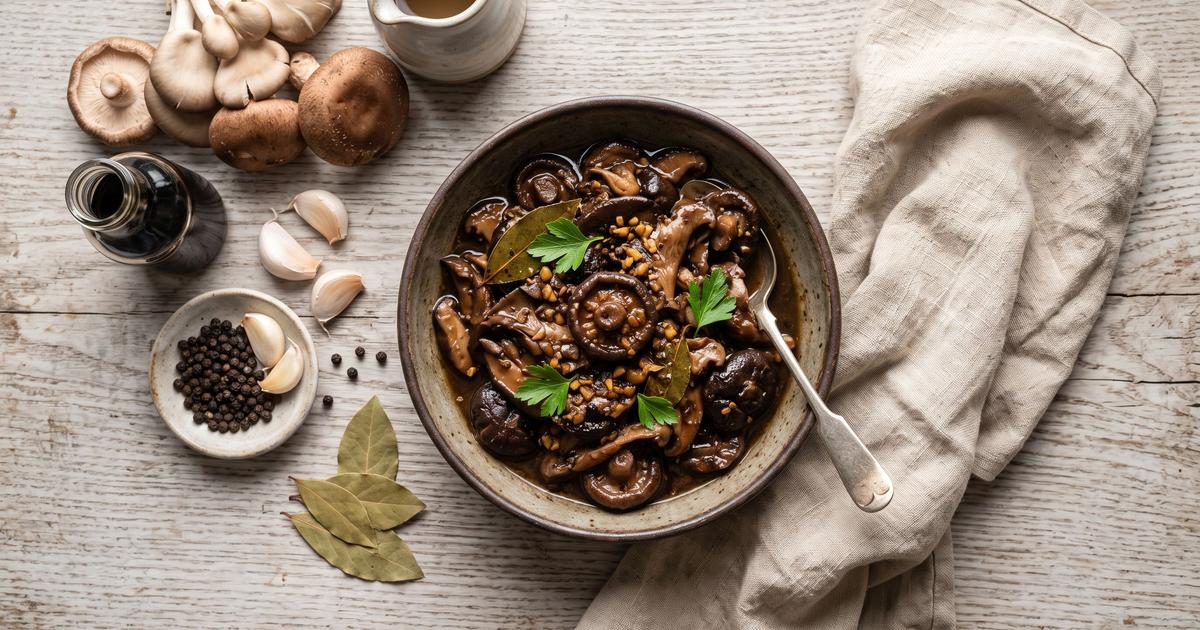
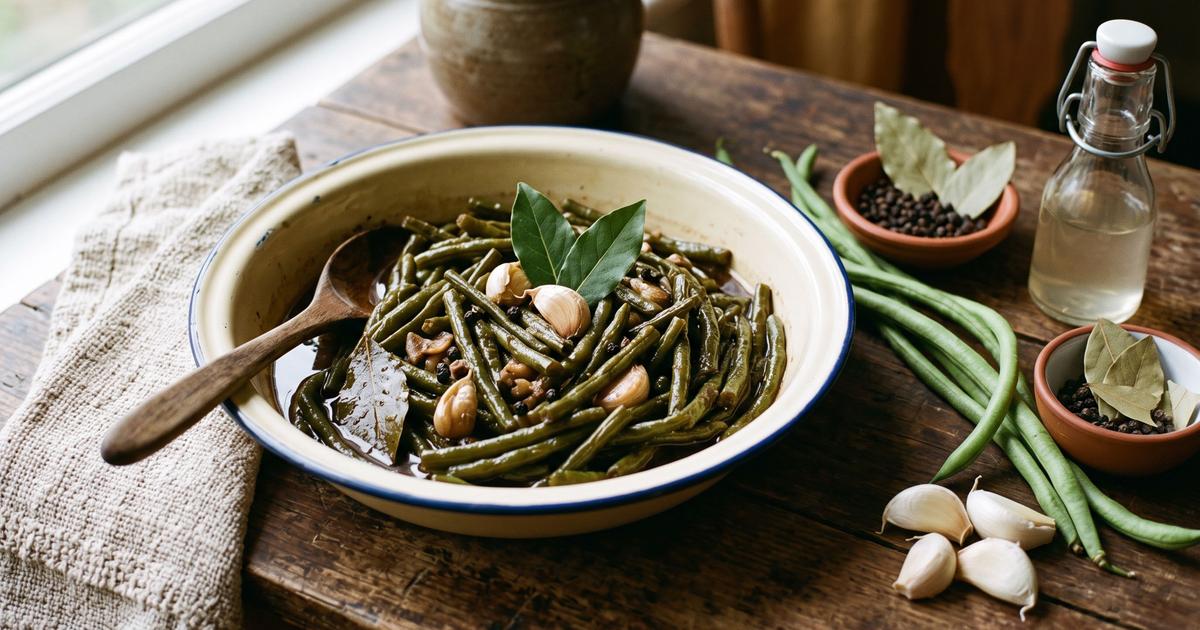
Adobo is the closest thing the Philippines has to a national dish, less a single recipe than a method: braise something in vinegar, soy, garlic, bay, and pepper until the sauce turns dark and glossy. Mushrooms take to it beautifully, drinking up the braise and firming into a meaty chew, which is why adobong kabute is a fixture of Filipino vegetarian cooking. Tamari stands in for soy sauce and is the one real source of sodium here, so the dish is marked salt light; everything else, the tang, the garlic, the pepper heat, comes free of salt and oil, and there is no coconut in sight. A single minced date replaces the pinch of sugar many cooks add to round the vinegar. Serve it over brown rice.
Ingredients
- 12 oz Cremini mushrooms, halved
- 4 oz Shiitake mushrooms, stemmed and quartered
- 8 cloves Garlic, smashed
- 3 tbsp Apple cider vinegar
- 2 tbsp Low-sodium tamari
- 2 wholes Bay leaves
- 1 tsp Black peppercorns, coarsely cracked
- 1 whole Medjool dates, pitted and minced
- 2 wholes Scallions, sliced
Method
- Put the mushrooms, garlic, vinegar, tamari, bay, cracked pepper, minced date, and 0.5 cup (120 ml) water in a wide pan and bring to a boil without stirring. The unwritten adobo rule is to let the vinegar cook before you stir, which boils off its raw, sinus-clearing sharpness and leaves the mellow sourness behind.
- Once it is boiling, stir, then lower to a brisk simmer and cook uncovered until the mushrooms are tender and have released their liquid, about 12 minutes. The mushrooms shrink and soak up the braise, taking on the meaty chew that pork or chicken would give a standard adobo.
- Keep cooking until the liquid reduces to a few tablespoons of glossy sauce that coats the mushrooms, about 5 minutes more. This is the moment adobo is made or lost: reduce it far enough that the sauce clings, but stop before the pan goes dry, since the tamari is the only salt and burning it turns the dish bitter.
- Fish out the bay leaves and scatter the scallions over the top. Adobo is even better the next day, once the mushrooms have sat in the sauce overnight, so make it ahead when you can.
Nutrition
Estimated per serving: 90 calories, 6 g protein, 3 g fiber, 300 mg sodium. Computed from USDA FoodData Central reference values for the main ingredients. This is an approximation, not a laboratory measurement. How these are computed.
Cost per serving is estimated from US national-average retail prices for cheap staple forms, using BLS dried-bean prices and USDA produce prices. Prices vary by store and season, so treat it as a guide, not a receipt. How this is computed.