Tartare d'Algues, Breton Seaweed Tartare

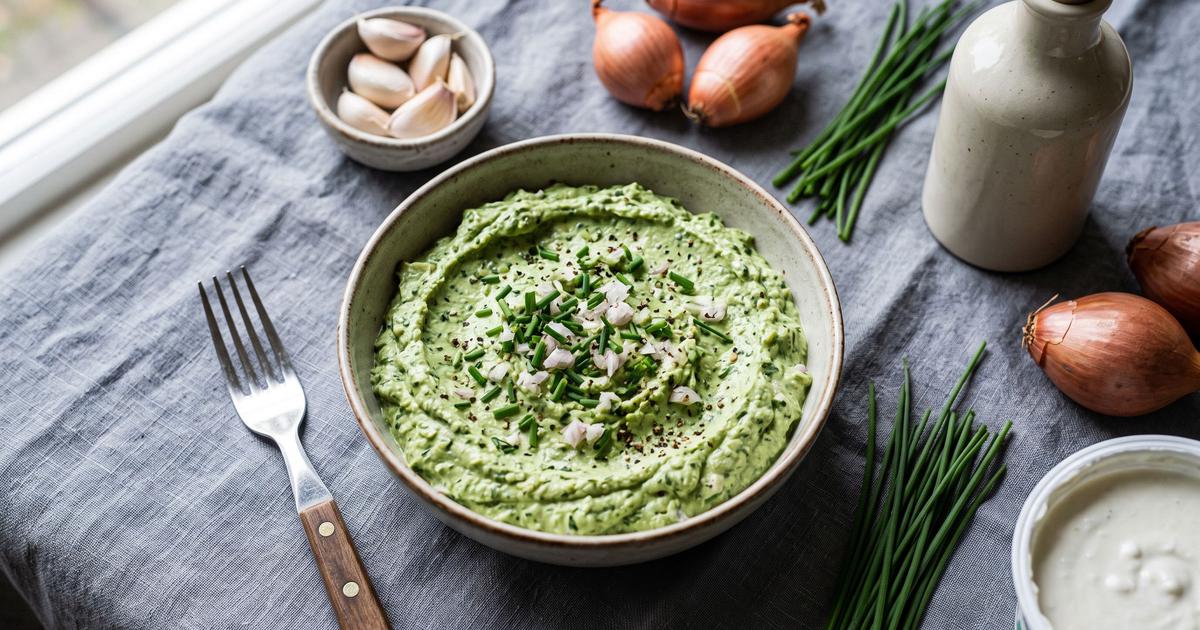
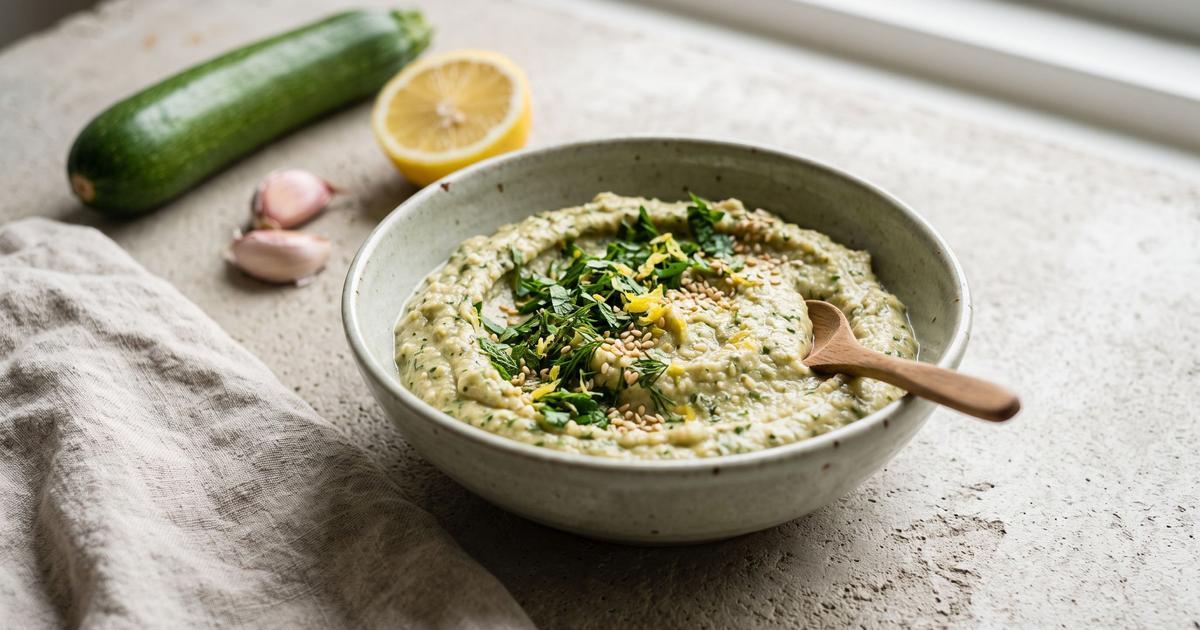
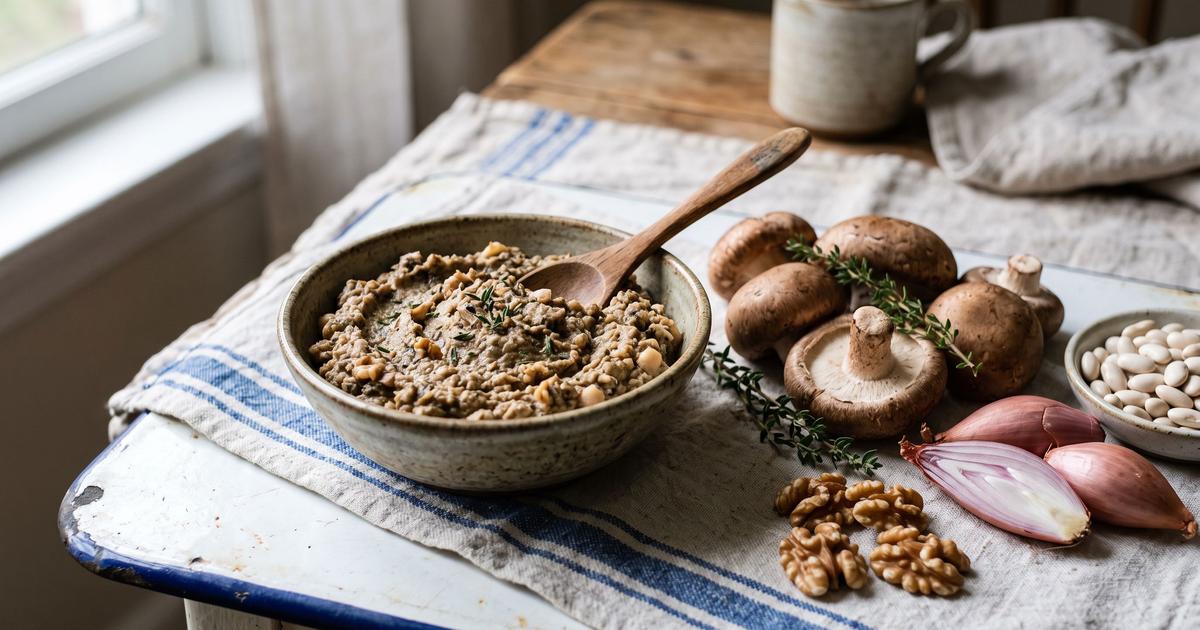
Along the coast of Brittany, seaweed is a vegetable, and tartare d'algues is how it turns up on the table, a briny green relish spooned onto crackers and boiled potatoes. The usual recipe is loosened with a good deal of oil, but it turns out the mustard and lemon do most of the binding on their own, so leaving the oil out costs the dish very little. Wakame and nori stand in for the local dulse and sea lettuce, rehydrated and chopped fine, then sharpened with shallot, capers, parsley, and chives. The seaweed brings its own sea salt, which is why nothing more is added; rinse the capers so they season rather than dominate. Let it rest half an hour before serving, and keep it a few days in the fridge.
Ingredients
- 1/2 oz Wakame, dried
- 2 sheets Nori
- 1 whole Shallots, finely minced
- 1 tbsp Capers, rinsed and chopped
- 2 tsp Dijon mustard
- 2 tbsp Lemon juice
- 1 tbsp White wine vinegar
- 3 tbsp Flat-leaf parsley, finely chopped
- 2 tbsp Chives, snipped
- 1/4 tsp Black peppercorns, freshly ground
Method
- Soak the wakame in cold water for 10 minutes until it swells and softens, then drain, squeeze it dry, and chop it fine. It expands severalfold, so the small dry handful is deceptive; let it fully open before you judge the amount.
- Tear the nori into small pieces and let it sit in the lemon juice for a few minutes to soften into pliable flecks rather than brittle shards.
- Stir together the wakame, softened nori, shallot, capers, mustard, vinegar, parsley, chives, and black pepper. The mustard and lemon bind the tartare into something spoonable, doing the job the oil does in the classic version.
- Rest it in the fridge for at least 30 minutes before serving. The seaweed keeps drinking up the acid and the flavors marry, turning a pile of chopped things into a single condiment. Taste before you serve: the seaweed and rinsed capers carry all the salt it needs, so add none.
Nutrition
Estimated per serving: 35 calories, 2 g protein, 1 g fiber, 220 mg sodium. Computed from USDA FoodData Central reference values for the main ingredients. This is an approximation, not a laboratory measurement. How these are computed.
Cost per serving is estimated from US national-average retail prices for cheap staple forms, using BLS dried-bean prices and USDA produce prices. Prices vary by store and season, so treat it as a guide, not a receipt. How this is computed.