Mchicha, Tanzanian Peanut Greens
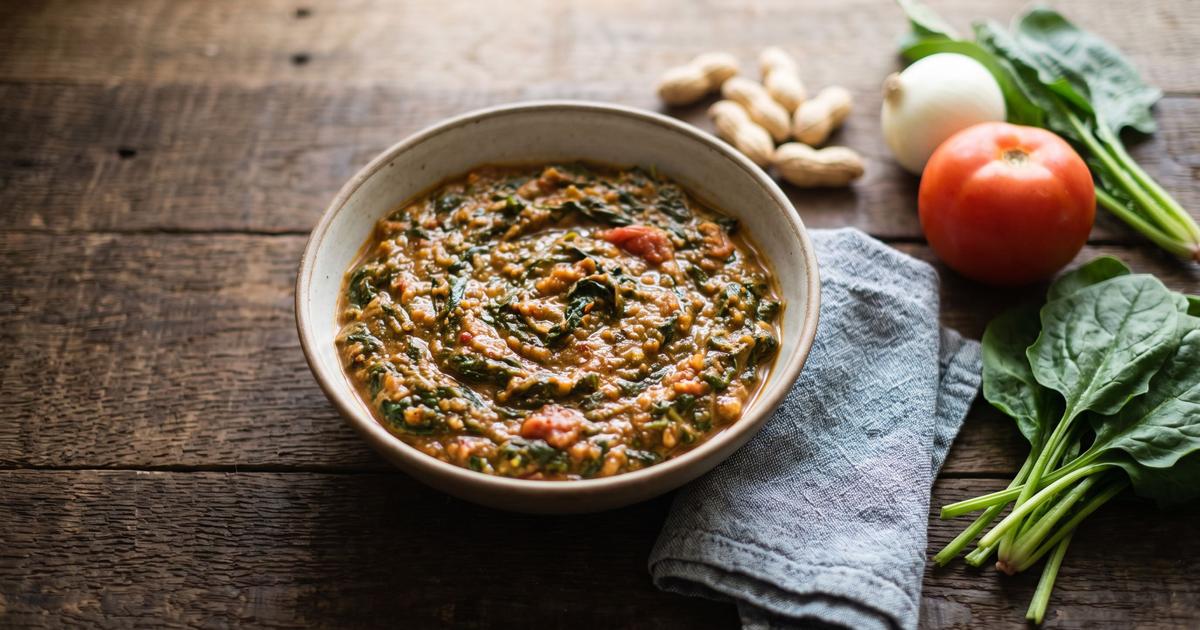
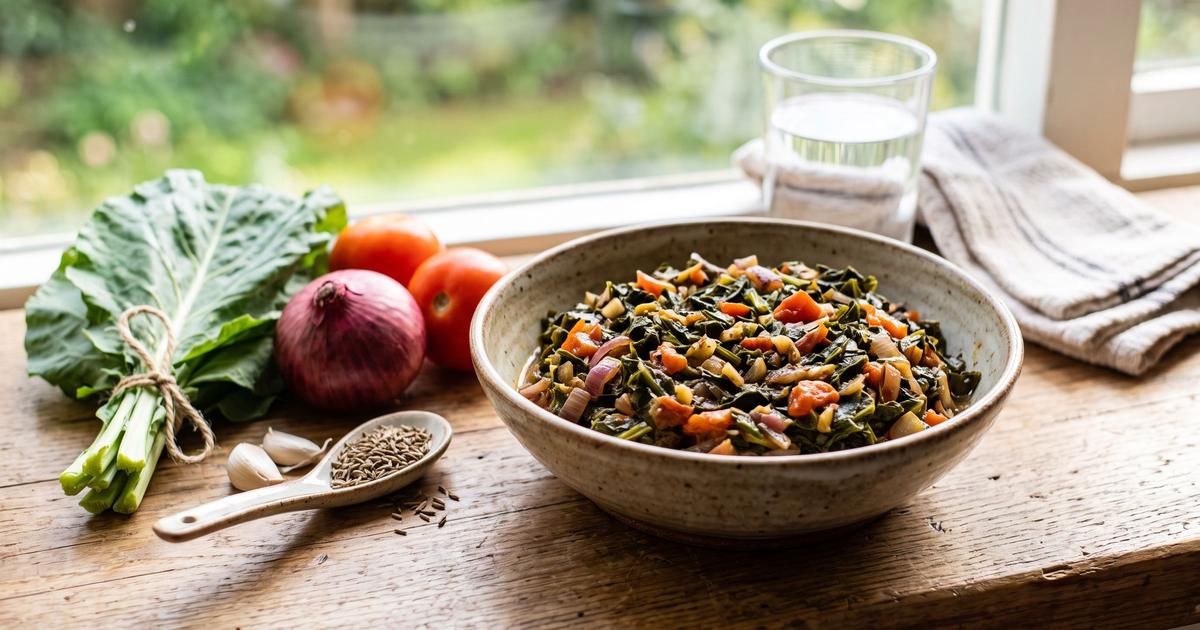
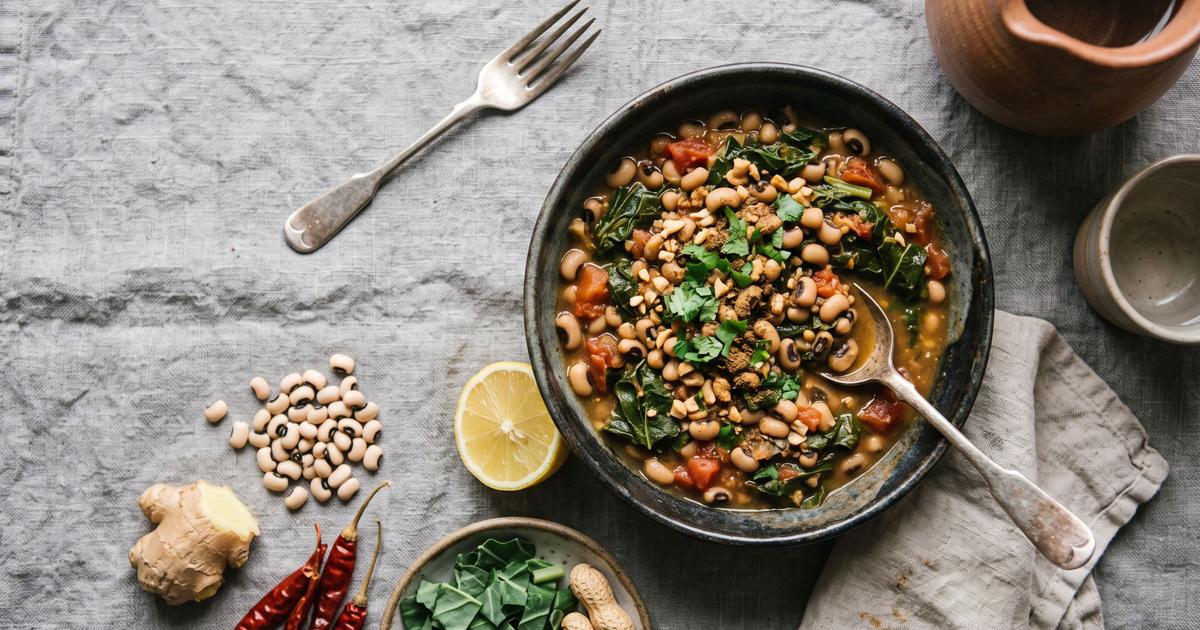
Mchicha is the everyday greens of Tanzania and the wider Swahili coast, named for the amaranth leaves it is usually made with, though spinach stands in easily and is what most cooks abroad reach for. The leaves are simmered with onion and tomato and then enriched, in the coastal way, with ground peanuts or coconut. This is the peanut version, where a few spoons of groundnut turn a plain pot of greens silky and substantial. It is a different dish from a lean braise like sukuma wiki: the peanut sauce is the whole character, giving the greens body and a savory depth that means they never miss salt or meat. Temper the peanut butter in hot water first so it melts in smooth.
Ingredients
- 1 lb Spinach, chopped
- 1 whole Yellow onions, diced
- 2 wholes Fresh tomatoes, chopped
- 2 cloves Garlic, minced
- 3 tbsp unsweetened peanut butter
- 1/4 tsp Cayenne
Method
- Sweat the onion in 3 tablespoons (45 ml) water in a wide pan until soft, about 6 minutes, then add the garlic and cook 1 minute more. Water sweating builds the aromatic base and keeps the sauce clean, so the peanut richness later is the only fat in the pan.
- Add the tomatoes and cayenne and cook until they collapse into a thick sauce, about 5 minutes. Cooking the tomato all the way down before the greens go in gives the peanuts something savory to hang on.
- Pile in the spinach and stir until it wilts down, 2 to 3 minutes. Cook it just to tender so it stays green and fresh rather than muddy.
- Whisk the peanut butter with a few tablespoons of hot water into a loose cream, then stir it through the greens. Tempering it first keeps it from clumping and lets it coat every leaf in a silky sauce, which is what turns a simple pot of greens into mchicha.
- Simmer 2 minutes more to thicken, then taste. The peanut, tomato, and chile carry it, so no salt is needed. Serve with ugali, brown rice, or a bean stew.
Nutrition
Estimated per serving: 150 calories, 7 g protein, 5 g fiber, 90 mg sodium. Computed from USDA FoodData Central reference values for the main ingredients. This is an approximation, not a laboratory measurement. How these are computed.
Cost per serving is estimated from US national-average retail prices for cheap staple forms, using BLS dried-bean prices and USDA produce prices. Prices vary by store and season, so treat it as a guide, not a receipt. How this is computed.