Kasza Jaglana na Słodko, Polish Sweet Millet Porridge
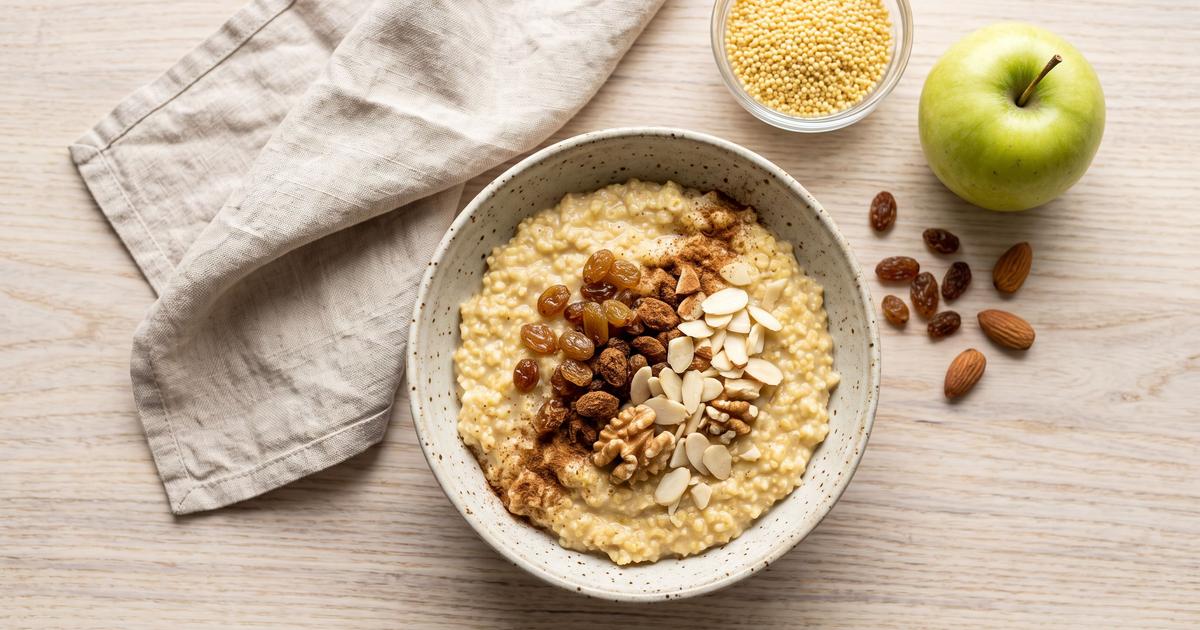
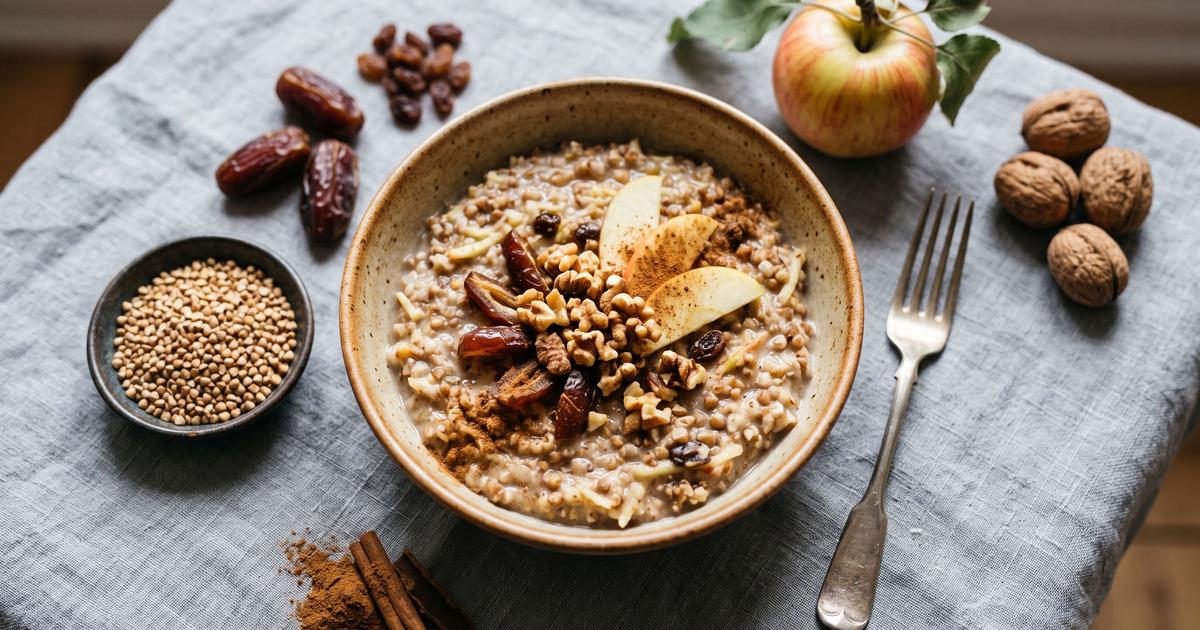
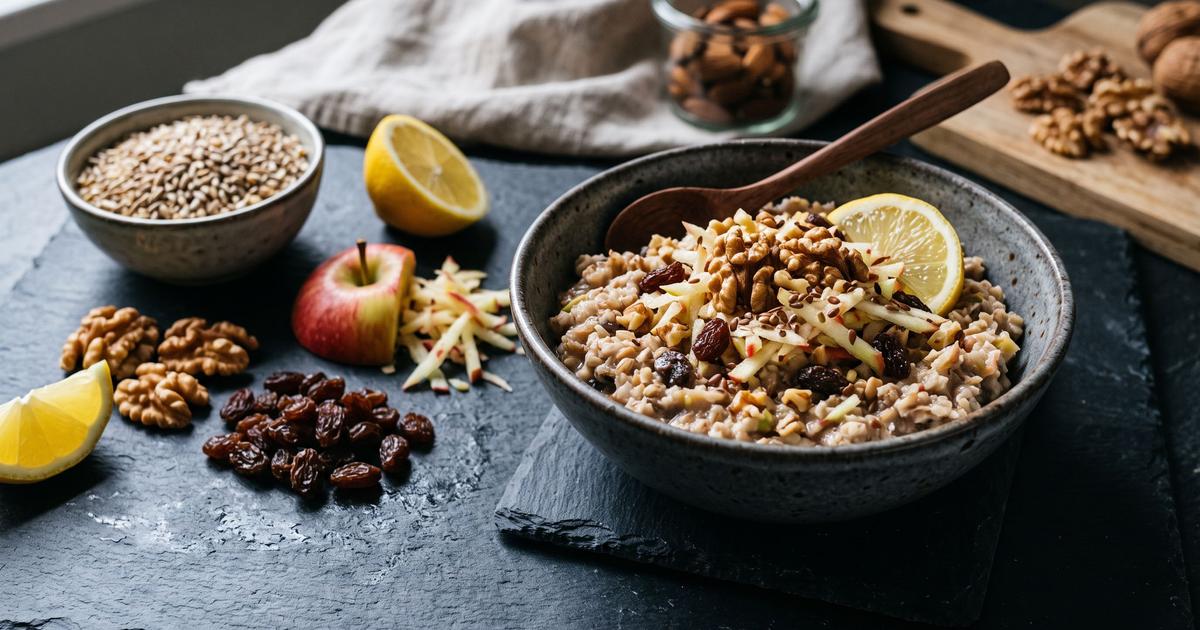
Kasza jaglana is millet, and prepared na słodko, on the sweet side, it is one of the oldest breakfasts in Poland, older than the potato and far older than imported oats. It is humble, filling, and cheap, a bowl of golden grain simmered soft and sweetened only with fruit. Millet has one quirk worth respecting: it needs a hot rinse first to wash off a bitter coating, the single step that separates a clean, nutty porridge from a dull one. Cooked in plant milk it turns creamy on its own, and grated apple stirred in at the end does the work of sugar. Raisins, dates, cinnamon, and walnuts round it out. Make a big pot; it keeps all week.
Ingredients
- 1 cup Millet
- 2 cups Unsweetened oat milk
- 1 whole Apples, grated
- 3 tbsp Raisins
- 2 wholes Medjool dates, chopped
- 1 tsp cassia cinnamon
- 3 tbsp Walnuts, chopped
Method
- Rinse the millet in a sieve under hot water, rubbing it between your fingers, then drain. Raw millet carries a dusty, faintly bitter coating; a hot rinse washes it away so the finished porridge tastes clean and sweet rather than musty.
- Simmer the millet with the oat milk, 1 cup (240 ml) water, the cinnamon, and the raisins over low heat, covered, until the grain is soft and the liquid is absorbed into a creamy porridge, about 20 minutes. Cooking it in milk rather than water is what makes it porridge instead of pilaf, and the raisins plump and sweeten the pot from the inside as it cooks.
- Stir the grated apple and chopped dates in off the heat. The apple melts into the warm porridge and sweetens it with no sugar, and adding it at the end keeps its fresh, bright edge instead of cooking it flat.
- Spoon into bowls and top with the walnuts. Any leftovers set firm in the fridge and loosen with a splash of milk when reheated, so it doubles as make-ahead breakfast for the week.
Nutrition
Estimated per serving: 260 calories, 7 g protein, 5 g fiber, 70 mg sodium. Computed from USDA FoodData Central reference values for the main ingredients. This is an approximation, not a laboratory measurement. How these are computed.
Cost per serving is estimated from US national-average retail prices for cheap staple forms, using BLS dried-bean prices and USDA produce prices. Prices vary by store and season, so treat it as a guide, not a receipt. How this is computed.