Favas à Portuguesa, Broad Beans in Tomato and Cilantro
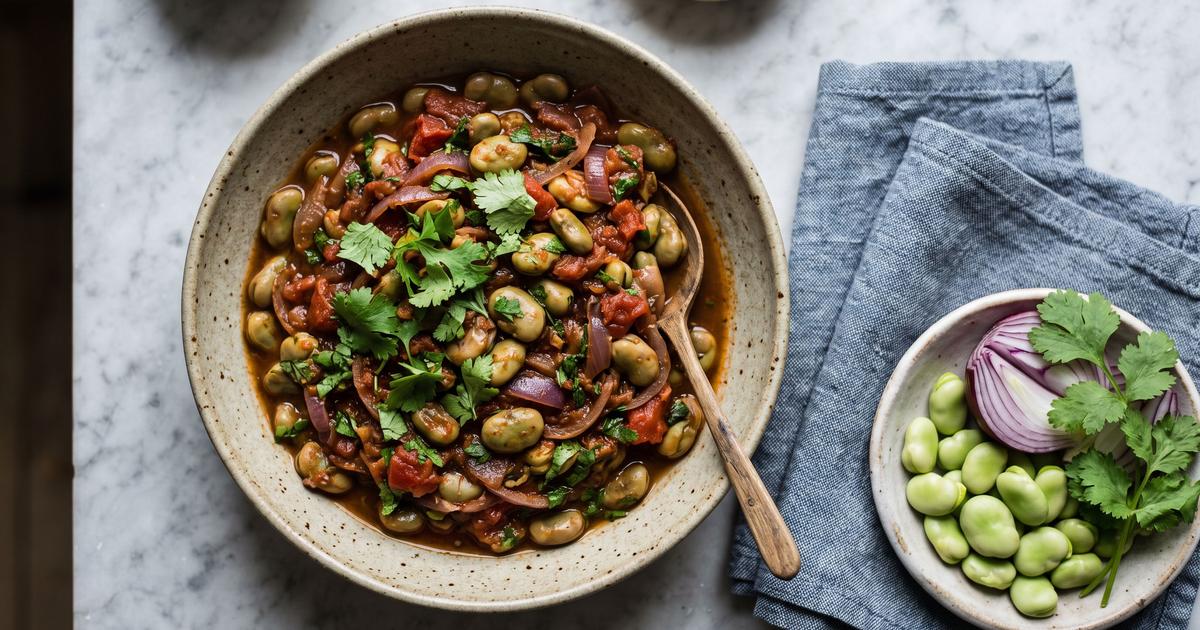
Favas à portuguesa is a dish of spring, made when broad beans are young and sweet, and traditionally built on smoked sausage and blood sausage for depth. Strip those away and the vegetables hold their own: onion cooked down slow, tomato reduced to a glaze, and a full measure of cilantro stirred in raw at the end. Smoked paprika carries the memory of the meat, giving the pot a savory, smoky base for the cost of a spice jar. Frozen favas are the smart buy, already shucked and peeled, so there is no thumbnail work. Serve it warm as a side or a light lunch, with extra cilantro and a wedge of lemon.
Ingredients
- 1 lb Fava beans, frozen, thawed
- 1 Yellow onion, diced
- 4 cloves Garlic, sliced
- 1 cup Canned whole peeled tomatoes, crushed by hand
- 1 tsp Smoked paprika
- 1 Bay leave
- 1/3 cup Cilantro, chopped
- 1 tbsp White wine vinegar
- 1/2 tsp Black peppercorns, ground
Method
- Sweat the onion in a wide pan with a splash of water until soft and translucent, about 8 minutes. This slow start is where the dish finds its sweetness; the Portuguese original uses oil and often smoked sausage, and the smoked paprika later stands in for both.
- Add the garlic and smoked paprika and stir for a minute until fragrant. Blooming the paprika in the hot, moist pan wakes up its smoke, the flavor that would otherwise come from chouriço.
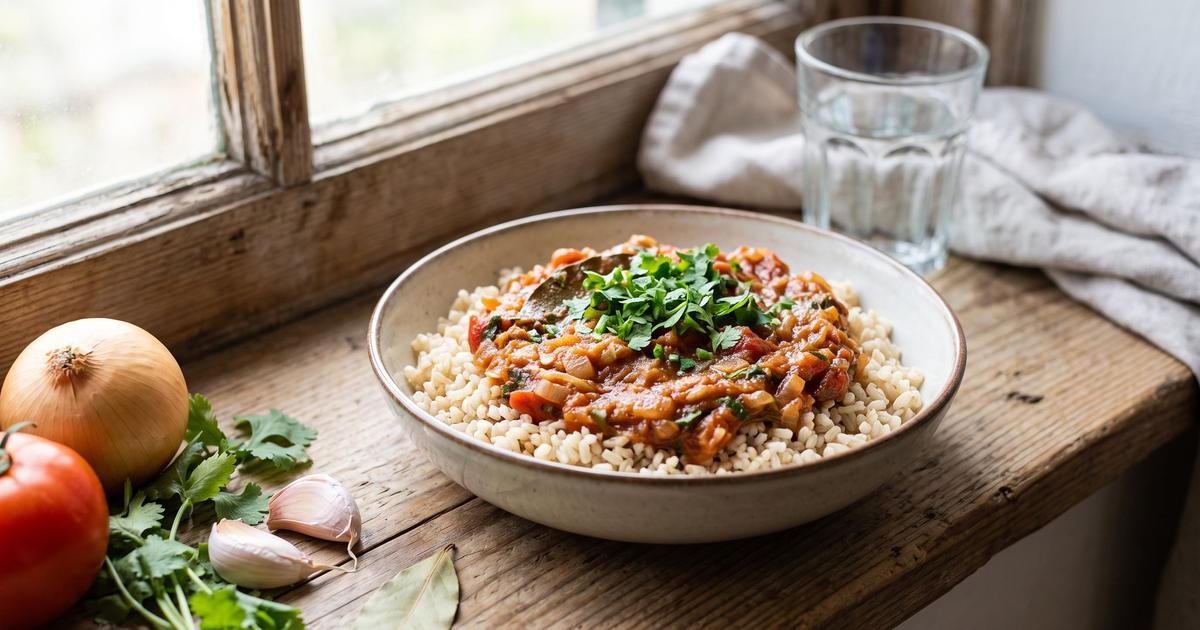
- Stir in the crushed tomatoes and bay leaf and cook 5 minutes until the sauce thickens. Reducing the tomato first concentrates it so it coats the beans instead of watering them down.
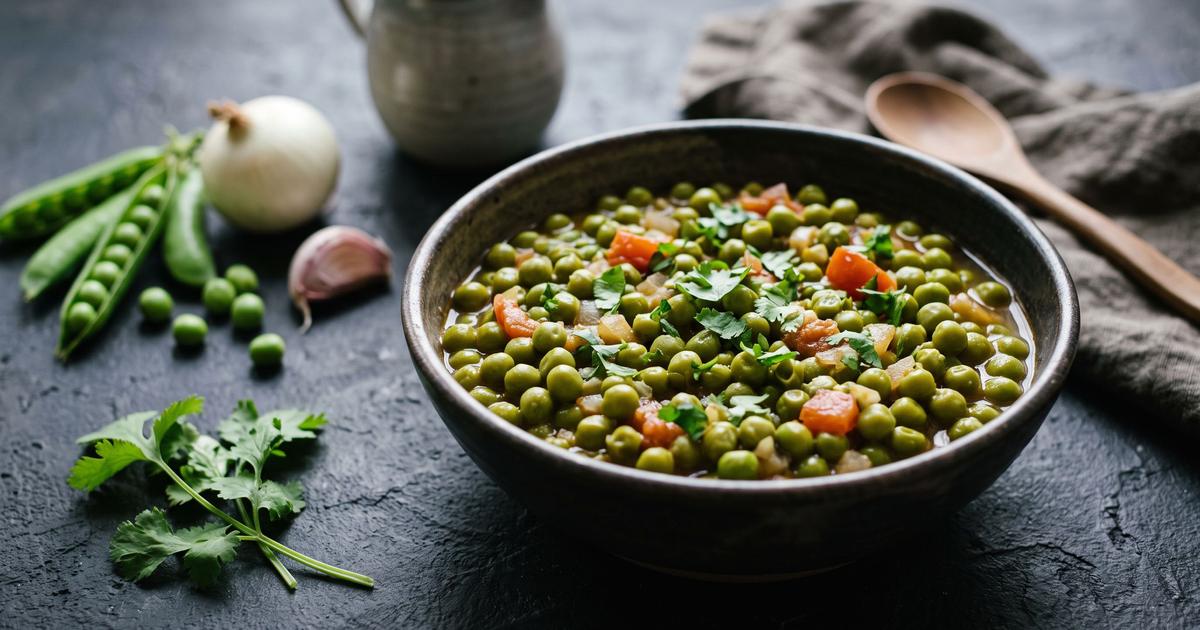
- Add the fava beans and a splash of water, cover, and simmer gently 12 to 15 minutes until tender. Frozen favas come already peeled and sweet, and cooking them low keeps their skins from splitting.
- Off the heat, stir in the vinegar and most of the cilantro, saving a little to scatter on top. The vinegar sharpens the stew the way it needs, and the raw cilantro at the end is non-negotiable in a Portuguese kitchen.
Nutrition
Estimated per serving: 170 calories, 10 g protein, 9 g fiber, 55 mg sodium. Computed from USDA FoodData Central reference values for the main ingredients. This is an approximation, not a laboratory measurement. How these are computed.
Cost per serving is estimated from US national-average retail prices for cheap staple forms, using BLS dried-bean prices and USDA produce prices. Prices vary by store and season, so treat it as a guide, not a receipt. How this is computed.