Arroz de Tomate, Portuguese Tomato Rice
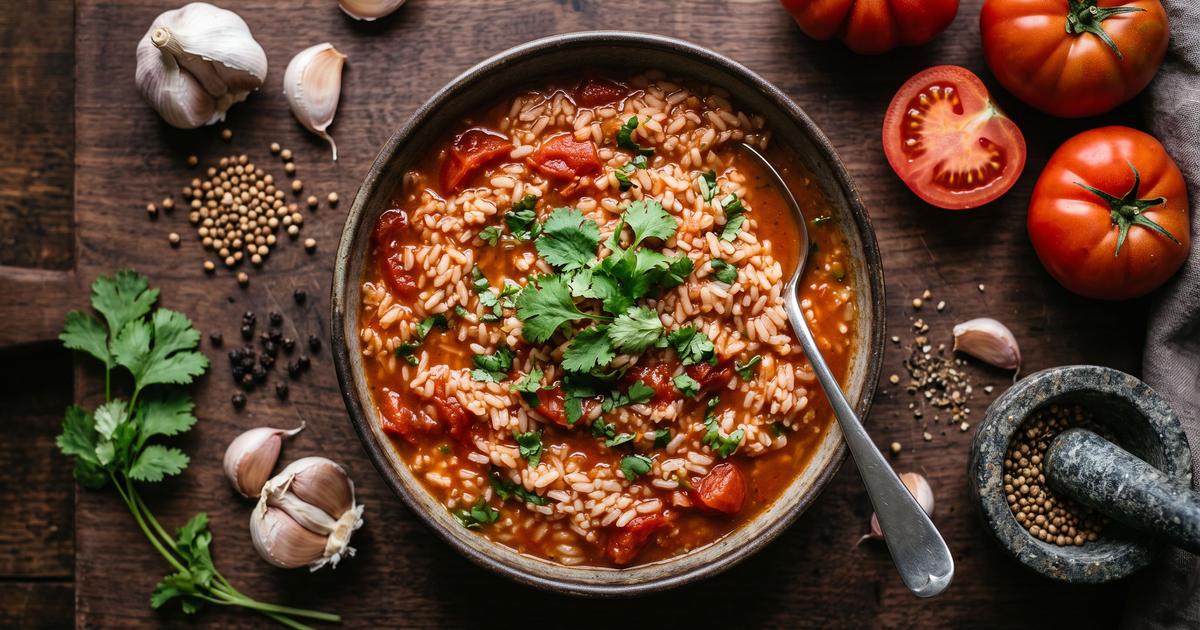
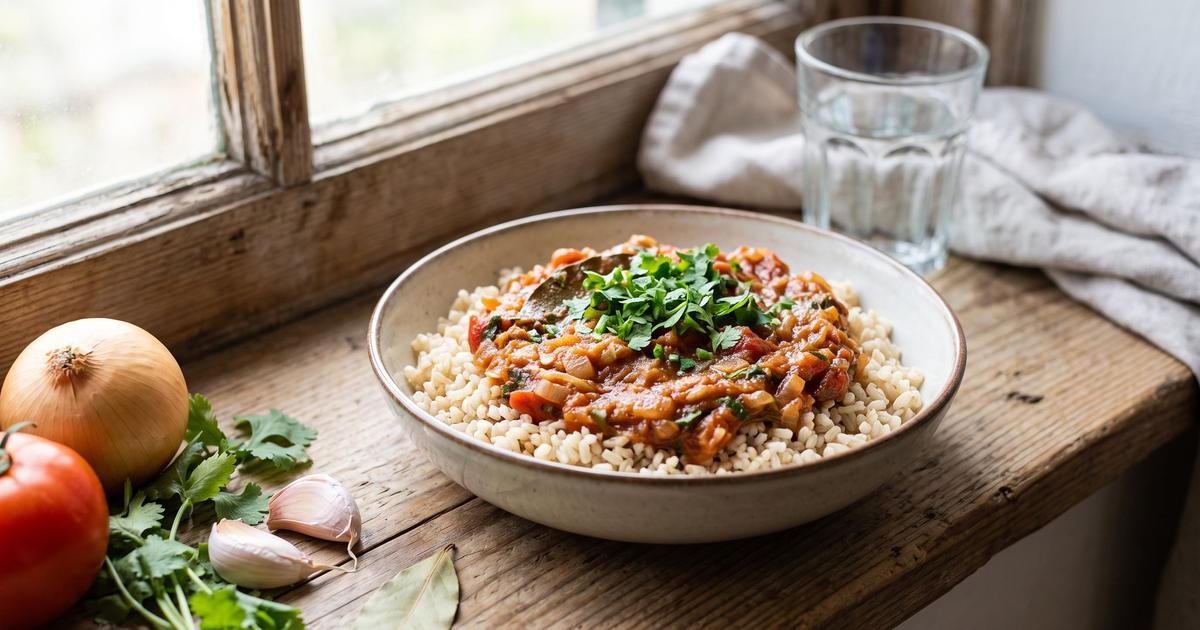
Arroz de tomate is the rice the rest of Portugal eats without ceremony, a loose, tomato-stained pot that turns up beside grilled fish, fried eggs, or nothing at all. It is built the way most Portuguese rice is built, on a slow refogado of onion and garlic, then tomato, then rice and water, and it is meant to stay soupy rather than fluffy. The traditional version leans on very ripe summer tomatoes and a good pour of olive oil, but a can of whole peeled tomatoes, crushed by hand, gives a better sauce than pale winter fruit, and toasting a spoon of tomato paste first covers for the oil's missing depth. Coentros, cilantro, is the herb that marks it as Portuguese and not Spanish. Brown rice takes longer and drinks more water than the white rice a Portuguese cook would reach for, so keep an eye on the pot and keep it loose. Serve it hot, straight from the pan.
Ingredients
- 1 medium Yellow onions, finely chopped
- 3 cloves Garlic, minced
- 1 tbsp Tomato paste
- 2 cups Canned whole peeled tomatoes, crushed by hand
- 1 leaf Bay leaves
- 1 cup long grain brown rice
- 1/3 cup Cilantro, chopped
- 1/2 tsp Black peppercorns, ground
Method
- Sweat the onion and garlic in a pot with 3 tablespoons water (45 ml) over medium heat until soft and translucent, about 8 minutes. This gentle water-cooked base replaces the olive oil the dish usually starts in.
- Add the tomato paste and let it darken for a minute against the pan, then stir in the hand-crushed tomatoes and the bay. Toasting the paste turns it from sour to deep and sweet, and cooking the tomatoes a few minutes concentrates them into a real sauce.
- Stir in the rice and 3 cups water (720 ml). Bring to a simmer, cover, and cook low for about 40 minutes for brown rice, checking near the end and adding a splash more water if it looks tight. Long-grain brown rice needs the longer cook and the extra liquid, and it keeps the bran that white rice throws away.
- Keep it loose. Arroz de tomate is meant to be malandrinho, a little soupy and spoonable, not a dry, separate-grain pilaf, so err toward more water rather than less.
- Off the heat, fold in the cilantro and a good grind of black pepper. Cilantro, coentros, is the Portuguese signature here, stirred in at the end so it stays fresh and green.
Nutrition
Estimated per serving: 250 calories, 6 g protein, 5 g fiber, 45 mg sodium. Computed from USDA FoodData Central reference values for the main ingredients. This is an approximation, not a laboratory measurement. How these are computed.
Cost per serving is estimated from US national-average retail prices for cheap staple forms, using BLS dried-bean prices and USDA produce prices. Prices vary by store and season, so treat it as a guide, not a receipt. How this is computed.