Tokhmeh, Persian Toasted Seeds with Dried Lime
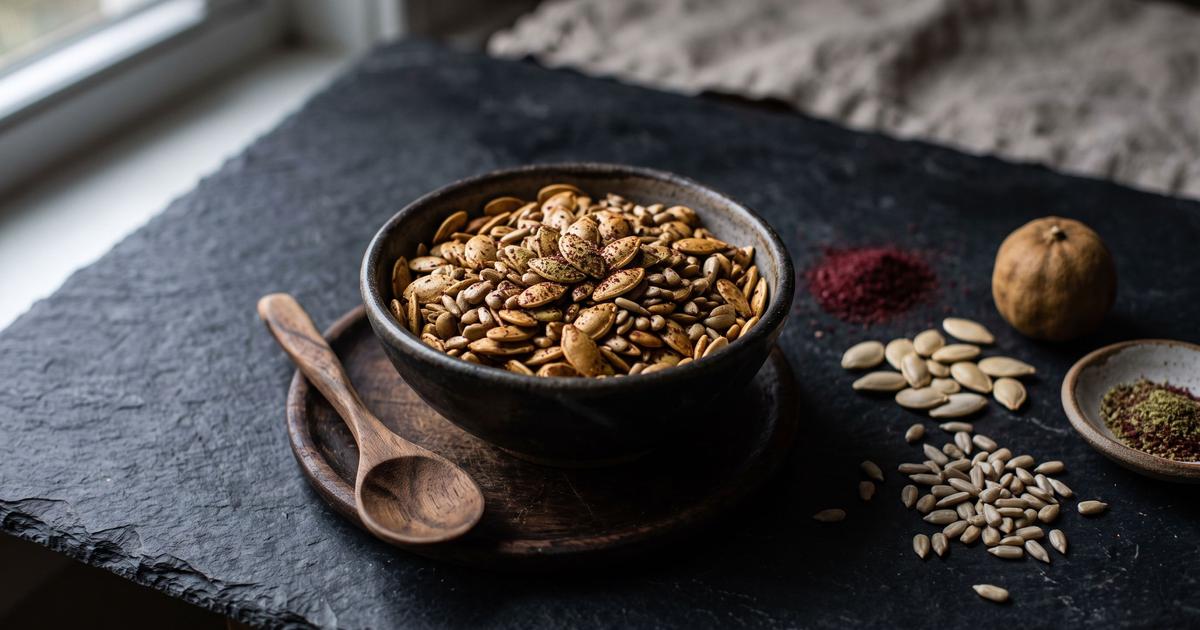
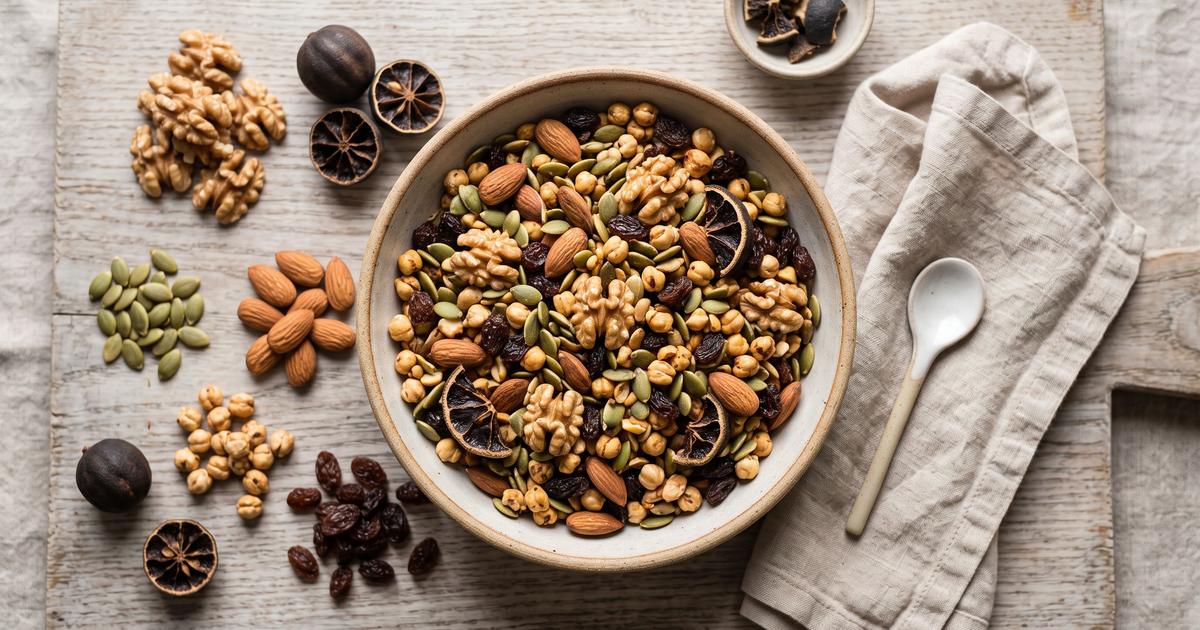
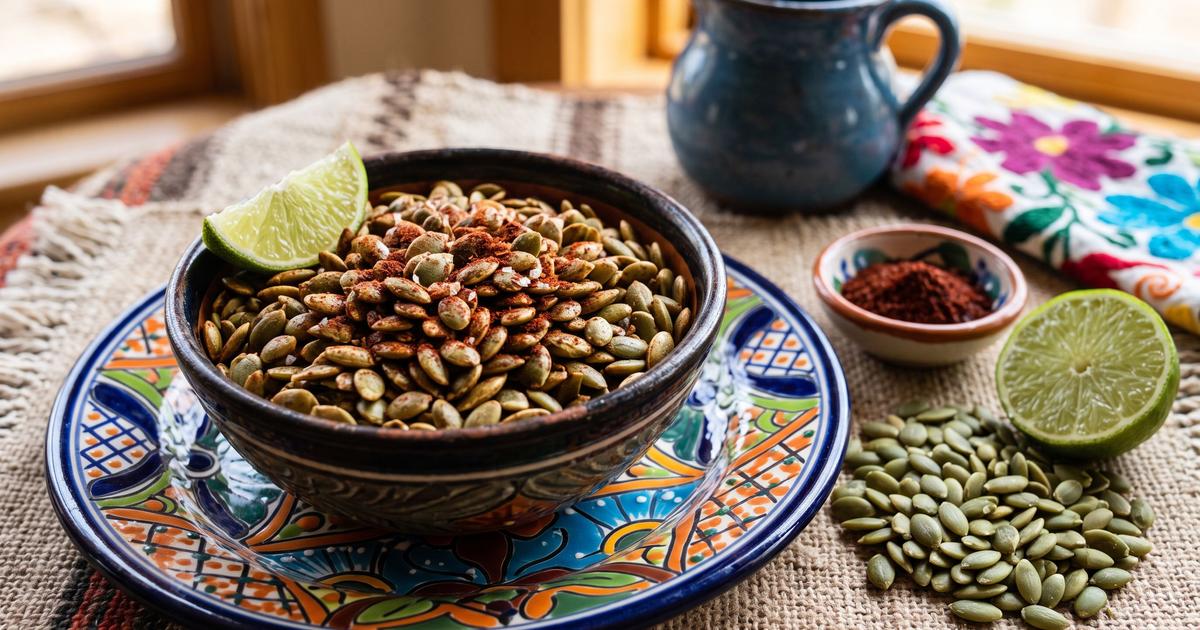
Tokhmeh is the Persian culture of seeds, the bowl of toasted pumpkin, sunflower, and melon seeds cracked open over conversation for hours. This version toasts pumpkin and sunflower seeds dry until they pop, then seasons them the Persian way with tartness rather than salt: ground dried lime, the black limoo amani that flavors so many Persian stews, plus a dusting of sumac. A teaspoon of fresh lime juice is only there to help the powders stick. Toast the seeds in a dry pan and keep them moving so none scorch, and cool them fully before storing so they stay crisp.
Ingredients
- 1 cup Pumpkin seeds, raw
- 1 cup Sunflower seeds, raw
- 1 whole Dried limes, broken open, seeds discarded, ground to a powder
- 1 tsp Sumac
- 1 tsp Lime juice
Method
- Toast the pumpkin and sunflower seeds together in a dry pan over medium heat, shaking constantly, until the pumpkin seeds puff and pop and everything smells nutty and golden, about 6 minutes. A dry pan is essential: the seeds carry all the fat they need, and toasting rather than frying is what turns them from raw and flat to deep and roasted.
- Grind the dried lime to a fine powder, discarding the bitter seeds inside. Whole dried limes are fermented and sun-dried until nearly black, and ground up they give a tart, faintly smoky sourness that fresh lime cannot, the flavor that seasons this mix in place of salt.
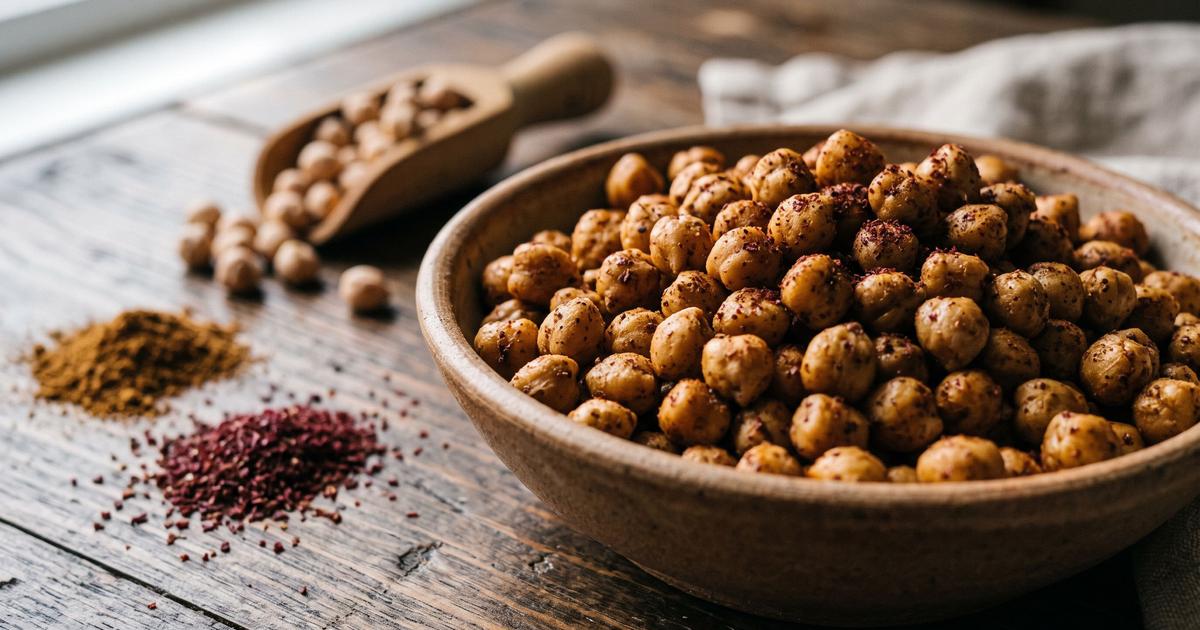
- Off the heat, sprinkle the warm seeds with the teaspoon of fresh lime juice and toss, then dust with the ground dried lime and sumac and toss again. The quick spritz of juice dampens the surface just enough for the powders to cling instead of falling to the bottom of the bowl.
- Spread the seeds out and cool completely so they crisp. Store airtight; the dried lime and sumac keep tasting brighter for a week, which makes this an easy snack to make ahead.
Nutrition
Estimated per serving: 180 calories, 7 g protein, 3 g fiber, 5 mg sodium. Computed from USDA FoodData Central reference values for the main ingredients. This is an approximation, not a laboratory measurement. How these are computed.
Cost per serving is estimated from US national-average retail prices for cheap staple forms, using BLS dried-bean prices and USDA produce prices. Prices vary by store and season, so treat it as a guide, not a receipt. How this is computed.