Rajma
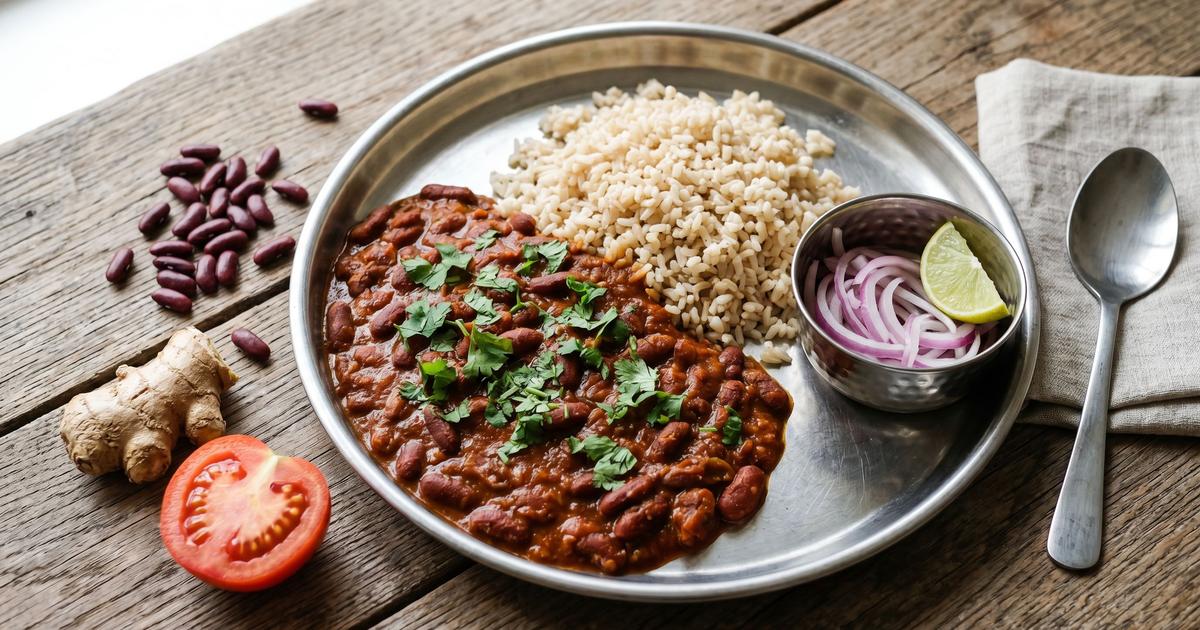
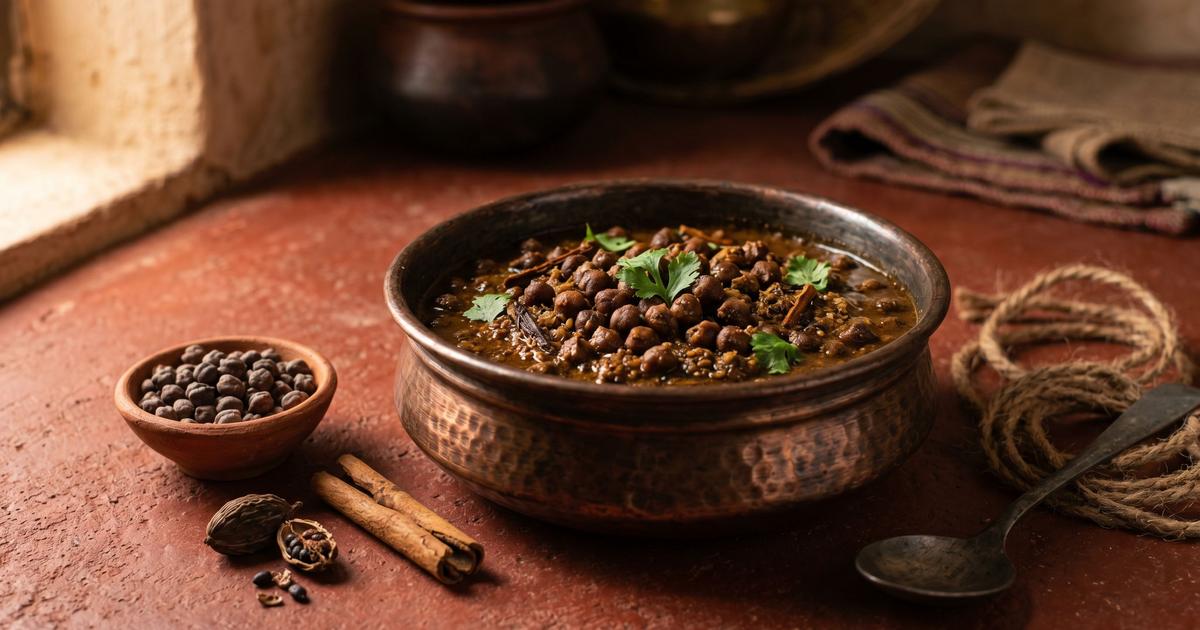
Rajma chawal, kidney beans and rice, is Sunday food in Punjab and among Indian students everywhere: cheap, filling, and better the next day. The trick is patience in two places, cooking the beans until they are truly soft and cooking the tomato base until it turns dark and thick. Do both and the pot needs almost no salt to taste complete.
Ingredients
- 1 1/2 cups Kidney beans, soaked overnight
- 2 Yellow onions, finely chopped
- 3 Fresh tomatoes, pureed
- 1 tbsp Ginger, grated
- 5 cloves Garlic, minced
- 1 Indian green chile, minced
- 1 tsp Cumin seed
- 1 1/2 tsp Coriander seed, toasted and ground
- 1/2 tsp Turmeric
- 1 tsp Garam masala
- 1 tsp pure chile powder
- 1 cup Brown basmati rice, cooked, to serve
- 3 tbsp Cilantro, chopped
For no added salt, skip the pinch. The deep-cooked onion and the tomato base reduced until it darkens give rajma its body and savor, and a scatter of cilantro finishes it.
Method
- Drain the soaked beans and simmer them in 5 cups (1.2 L) fresh water until fully tender and creamy inside, 50 to 60 minutes. Undercooked kidney beans stay grainy, so cook them soft. Keep the cooking liquid.
- While the beans cook, start the gravy. Put the chopped onions in a wide pan over medium heat with a few tablespoons of water. Cook, stirring and adding water whenever they stick, until they are soft and deep golden, about 15 minutes.
- Add the ginger, garlic, and green chile and cook for 2 minutes, until the raw smell goes.
- Toast the cumin seeds in a dry corner of the pan for 30 seconds, then stir in the ground coriander, turmeric, and pure chile powder.
- Pour in the pureed tomatoes. Cook them down hard, 10 to 12 minutes, until the mixture darkens, pulls together, and no longer smells raw. This is the step that carries the dish, so do not rush it.
- Add the cooked beans with enough of their liquid to make a loose gravy. Simmer 15 to 20 minutes so the beans drink up the flavor, mashing a few against the side to thicken it.
- Stir in the garam masala and a small pinch of salt. Finish with cilantro and serve over the brown rice.
Nutrition
Estimated per serving: 380 calories, 17 g protein, 15 g fiber, 90 mg sodiumabout 50 mg sodium (salt-free version). Computed from USDA FoodData Central reference values for the main ingredients. This is an approximation, not a laboratory measurement. How these are computed.
Cost per serving is estimated from US national-average retail prices for cheap staple forms, using BLS dried-bean prices and USDA produce prices. Prices vary by store and season, so treat it as a guide, not a receipt. How this is computed.