Papas de Milho, Portuguese Cornmeal Porridge
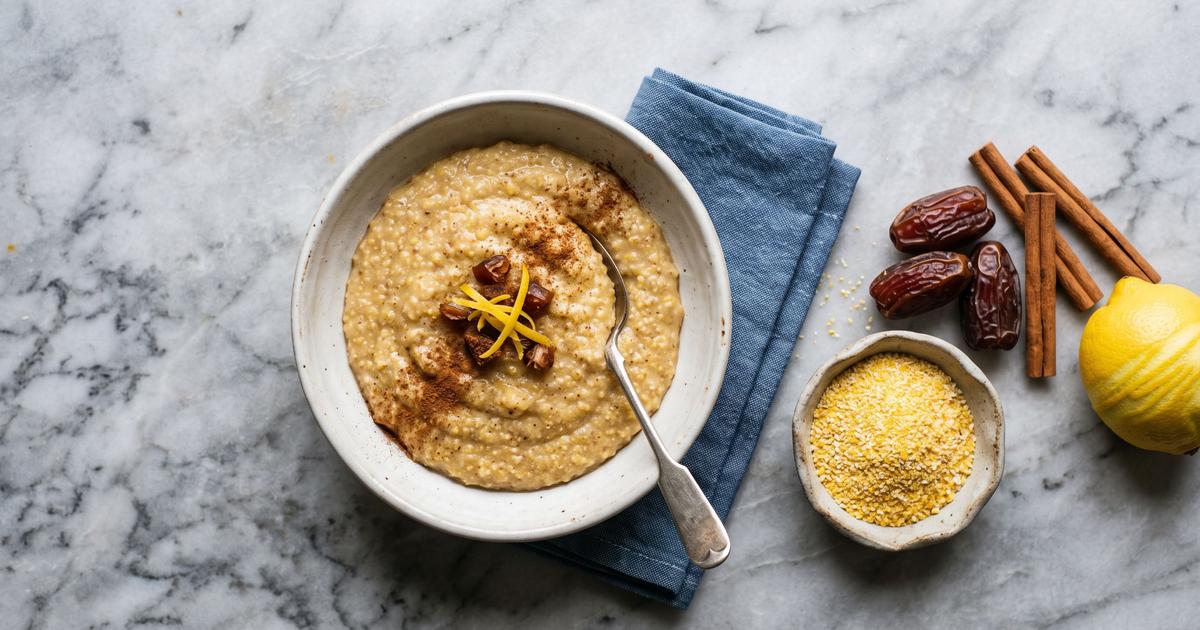
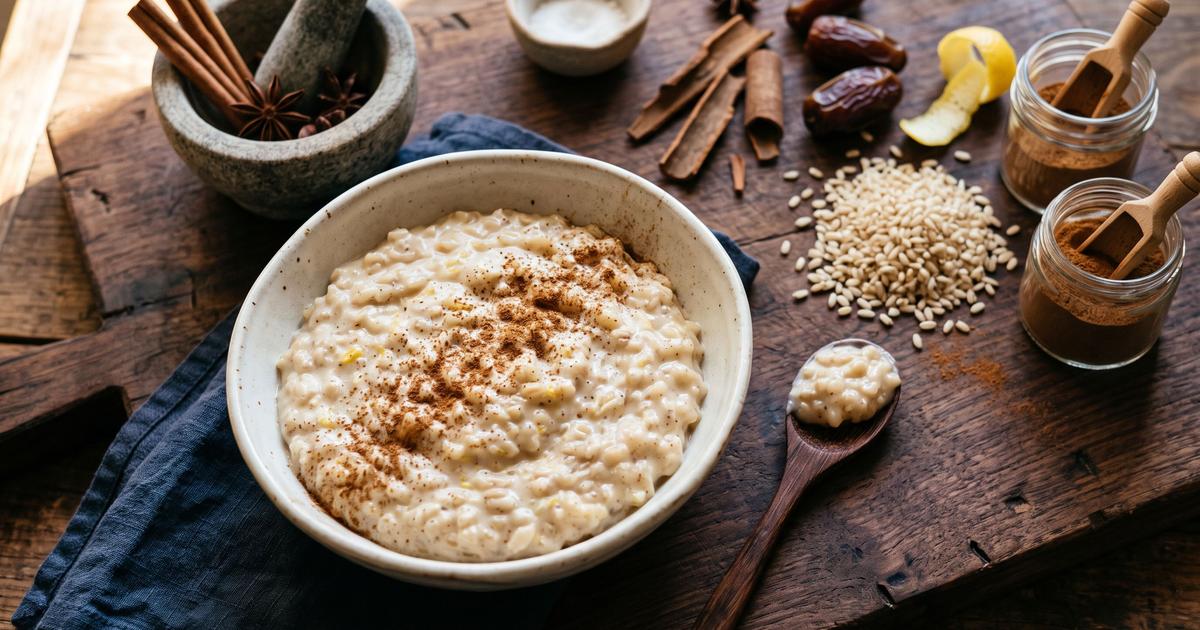
Papas de milho is the cornmeal porridge of the Portuguese countryside, cooked sweet for breakfast or savory to go beside a stew. This is the sweet version, and it asks almost nothing of the cook beyond patience and a whisk. Cooking the cornmeal in soy milk rather than water makes it creamy and adds the protein a breakfast needs to hold you, while blended dates carry all the sweetness without any sugar. Lemon zest and cinnamon are what mark it as Portuguese rather than any other corn porridge. Buy stone-ground cornmeal, sometimes sold as polenta, and give it the full simmer so the grains soften completely.
Ingredients
- 3/4 cup Polenta / coarse cornmeal
- 3 cups Unsweetened soy milk
- 4 wholes Medjool dates, pitted
- 1 Lemon, zested
- 1/2 tsp Ceylon cinnamon
- 3 tbsp Raisins
- 1/4 cup Walnuts, toasted and chopped
Method
- Blend the pitted dates with a splash of hot water into a smooth paste. This is the only sweetener, and blending it means it melts evenly through the porridge instead of sinking as whole pieces; the fiber in the dates comes along with the sweetness.
- Warm the soy milk in a heavy pot over medium heat until steaming but not boiling. Rain in the cornmeal in a thin stream while whisking constantly. Adding it slowly and whisking hard is what stops the lumps that ruin a cornmeal porridge.
- Lower the heat and cook 15 to 18 minutes, stirring often and scraping the bottom, until it is thick enough to hold a spoon. Stone-ground cornmeal takes this long to soften fully; instant would be faster but would taste of nothing, which is why it is worth the wait.
- Stir in the lemon zest, cinnamon, and the date paste off the heat. Lemon and cinnamon are the traditional Portuguese pairing for sweet papas, and holding them to the end keeps the zest bright rather than cooking it dull.
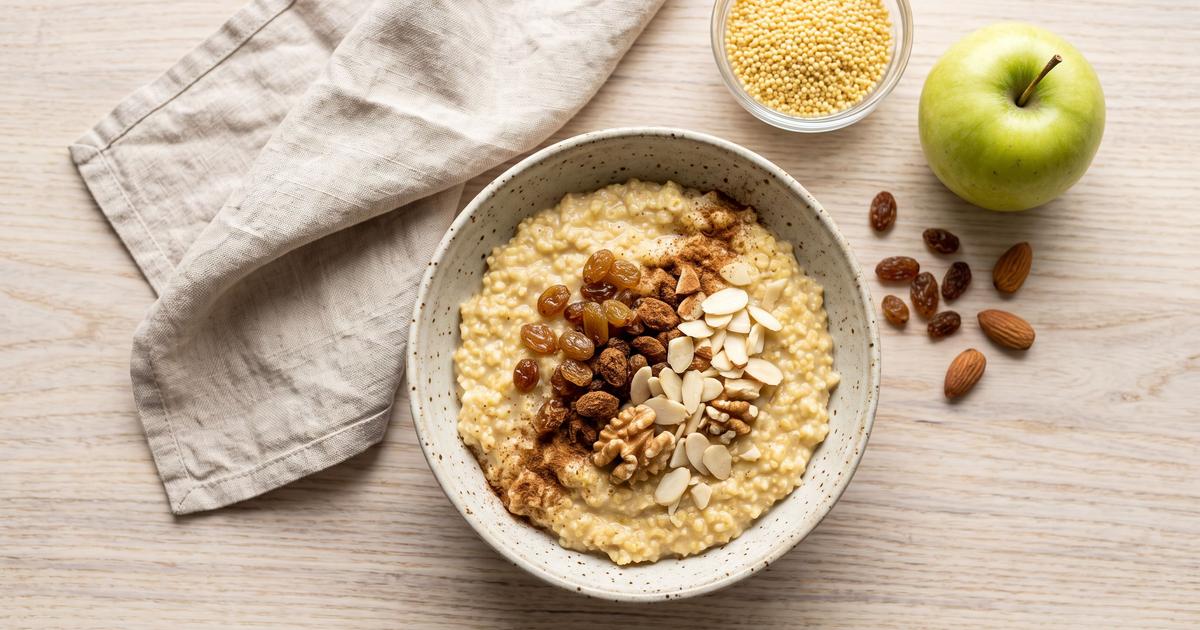
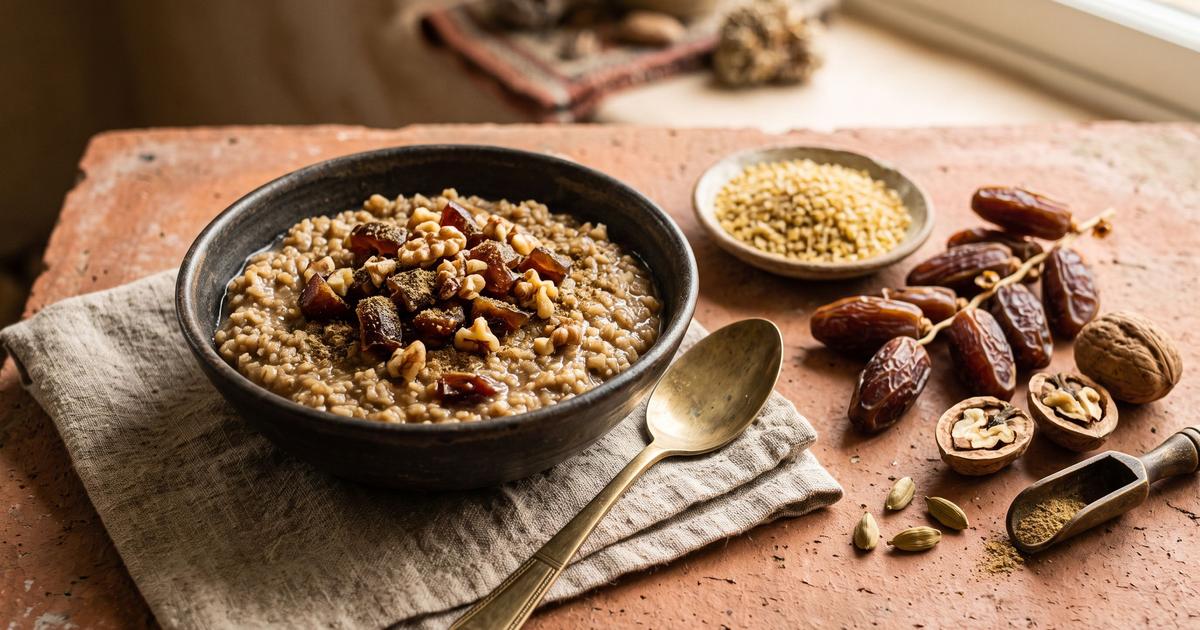
- Ladle into bowls and top with the raisins and toasted walnuts. It thickens as it cools and sets firm in the fridge, so loosen leftovers with a little more soy milk when you reheat them.
Nutrition
Estimated per serving: 210 calories, 6 g protein, 5 g fiber, 60 mg sodium. Computed from USDA FoodData Central reference values for the main ingredients. This is an approximation, not a laboratory measurement. How these are computed.
Cost per serving is estimated from US national-average retail prices for cheap staple forms, using BLS dried-bean prices and USDA produce prices. Prices vary by store and season, so treat it as a guide, not a receipt. How this is computed.