Mseto, Swahili Rice and Mung Bean Porridge
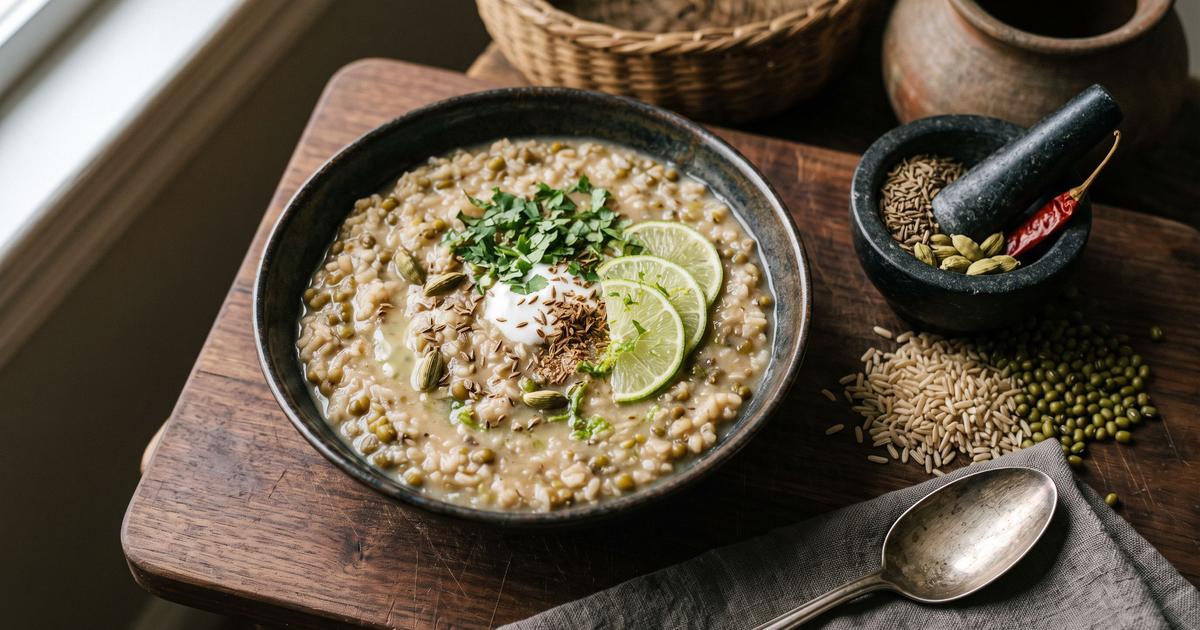
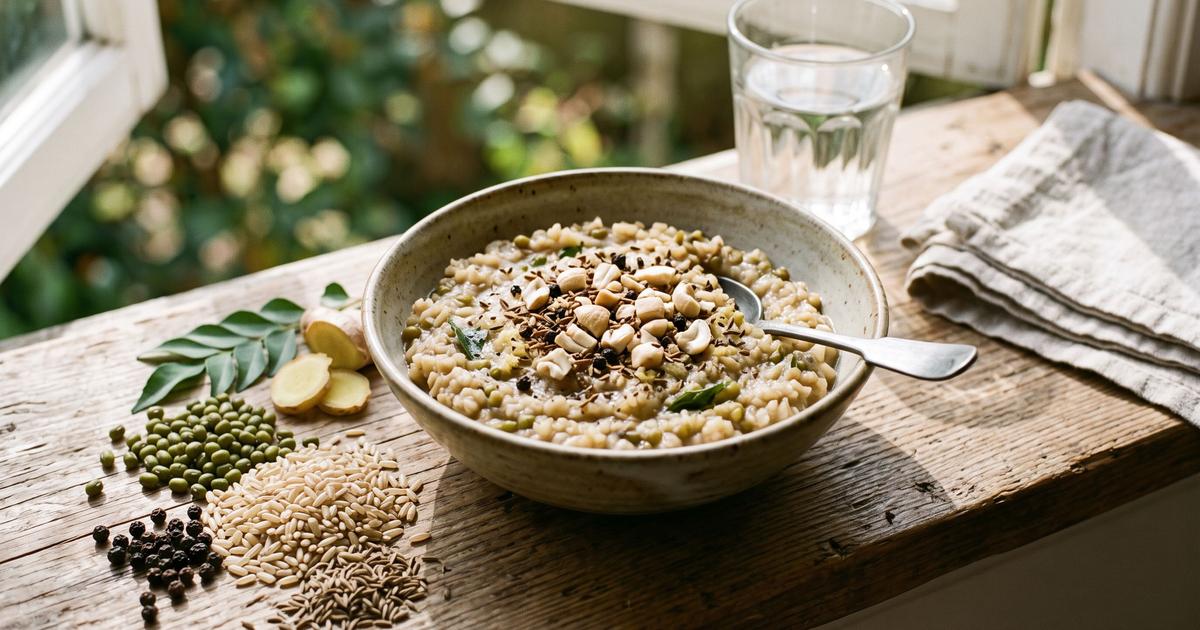
Mseto is the gentle rice and mung bean porridge of Zanzibar and the Swahili coast, the soft, warming bowl cooked for breakfast, for babies, and for anyone who needs comfort food. It is plain by design, mild enough that a little cumin, cardamom, and ginger stand out. Rinse the grains first so it cooks up creamy, and let it simmer long enough that the mung beans collapse and thicken the pot on their own. A squeeze of lime at the table lifts the whole thing without a grain of added salt.
Ingredients
- 1/2 cup short grain brown rice
- 1/2 cup Mung beans
- 1 tsp Ginger, grated
- 1/2 tsp Cumin seed, ground
- 2 pods Green cardamom, cracked
- 1/4 tsp Black peppercorns, ground
- 1/2 Limes, cut into wedges
Method
- Rinse the rice and mung beans together until the water runs clear. Rinsing washes off loose surface starch so the porridge turns creamy rather than gluey.
- Put them in a pot with the ginger, cumin, cracked cardamom pods, and black pepper, and add four cups (950 ml) of water. Starting the spices in the cooking water from the beginning lets their aroma soak all the way into the grains.
- Bring to a boil, then lower to a gentle simmer, partly covered, and cook until the rice and mung beans are very soft and the mix is thick and soupy, about 40 minutes. Stir now and then near the end so the bottom does not catch as it thickens.
- Fish out the cardamom pods, then mash lightly with the back of the spoon if you want it smoother. Mung beans break down easily, which is what gives mseto its soft, comforting body without any dairy.
- Serve hot with a lime wedge to squeeze over. The porridge is deliberately mild, so the squeeze of lime is what wakes it up in place of salt.
Nutrition
Estimated per serving: 190 calories, 8 g protein, 6 g fiber, 20 mg sodium. Computed from USDA FoodData Central reference values for the main ingredients. This is an approximation, not a laboratory measurement. How these are computed.
Cost per serving is estimated from US national-average retail prices for cheap staple forms, using BLS dried-bean prices and USDA produce prices. Prices vary by store and season, so treat it as a guide, not a receipt. How this is computed.