Molho de Pimenta e Limao
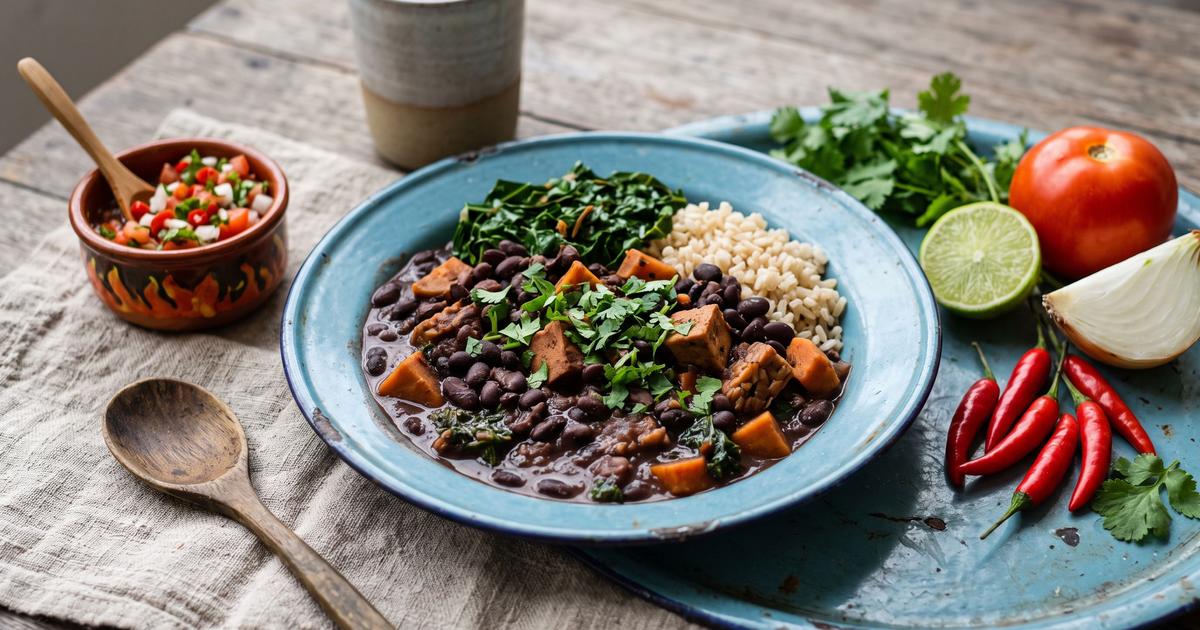
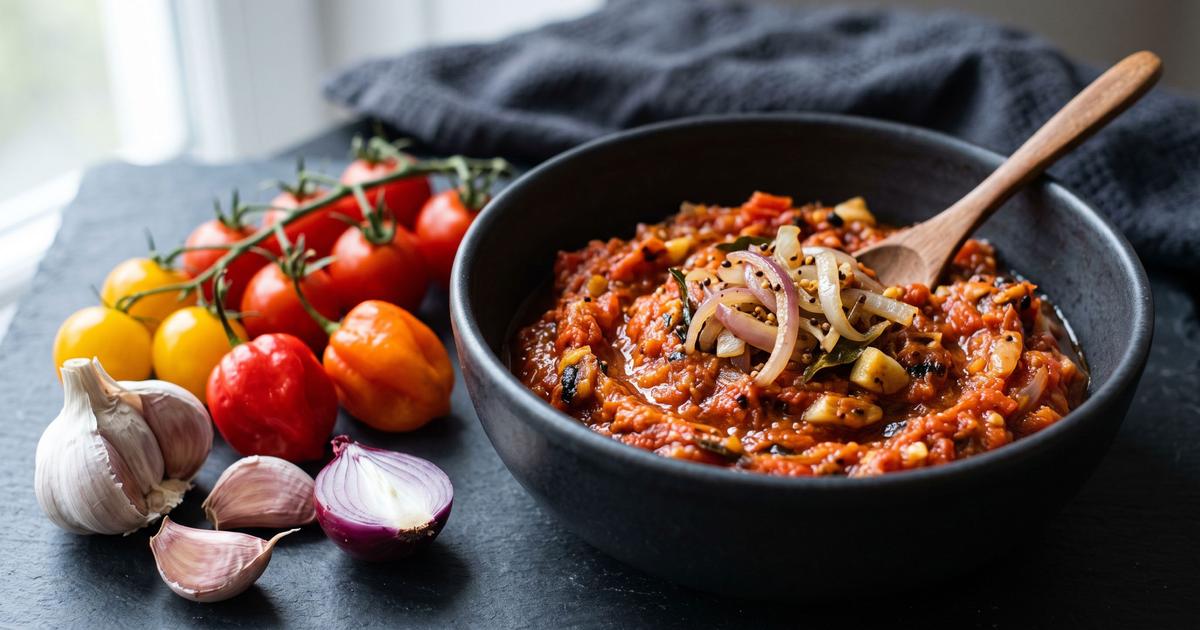
Every Brazilian table set for feijoada carries a small pot of molho de pimenta, the chile sauce diners spoon over their beans, rice, and greens to wake the whole plate up. The classic fire comes from tiny malagueta peppers; where those are hard to find, bird's eye and serrano chiles give the same clean heat, and the intro is the honest place to note the swap. Beyond the chile it is just minced onion, garlic, and tomato loosened with lime and a little vinegar, so the acid carries it and no salt is needed. Keep the seeds for a sauce that bites or drop them for one that merely warms. It keeps for days and only gets sharper.
Ingredients
- 3 wholes Thai bird chile, finely minced
- 1 whole Serrano, minced
- 1/2 whole Red onions, finely minced
- 2 cloves Garlic, grated
- 1 whole Fresh tomatoes, seeded and finely diced
- 1/4 cup Cilantro, chopped
- 3 tbsp Lime juice
- 1 tbsp Apple cider vinegar
- 1/4 tsp Black peppercorns, freshly ground
Method
- Mince the chiles very fine, keeping the seeds if you want it hot and scraping them out if you do not. This sauce is meant to sting, and the seeds and white ribs are where most of that heat lives, so this is your one dial for the whole pot.
- Stir the minced chile, red onion, and grated garlic together with the lime juice and vinegar and let them sit 5 minutes. The acid softens the raw onion and garlic and starts to pickle the chile, rounding off the harsh edges before the fresh ingredients go in.
- Fold in the diced tomato, cilantro, and black pepper. The tomato loosens the sauce into something spoonable and its own juice, with the lime and vinegar, does the job salt would in a bottled hot sauce.
- Let it stand at least 10 minutes before serving, or refrigerate up to three days. A short rest marries the flavors, and the sauce actually sharpens overnight as the chile bleeds into the liquid.
Nutrition
Estimated per serving: 20 calories, 1 g protein, 1 g fiber, 5 mg sodium. Computed from USDA FoodData Central reference values for the main ingredients. This is an approximation, not a laboratory measurement. How these are computed.
Cost per serving is estimated from US national-average retail prices for cheap staple forms, using BLS dried-bean prices and USDA produce prices. Prices vary by store and season, so treat it as a guide, not a receipt. How this is computed.