Mast-o-Musir, Persian Shallot Yogurt
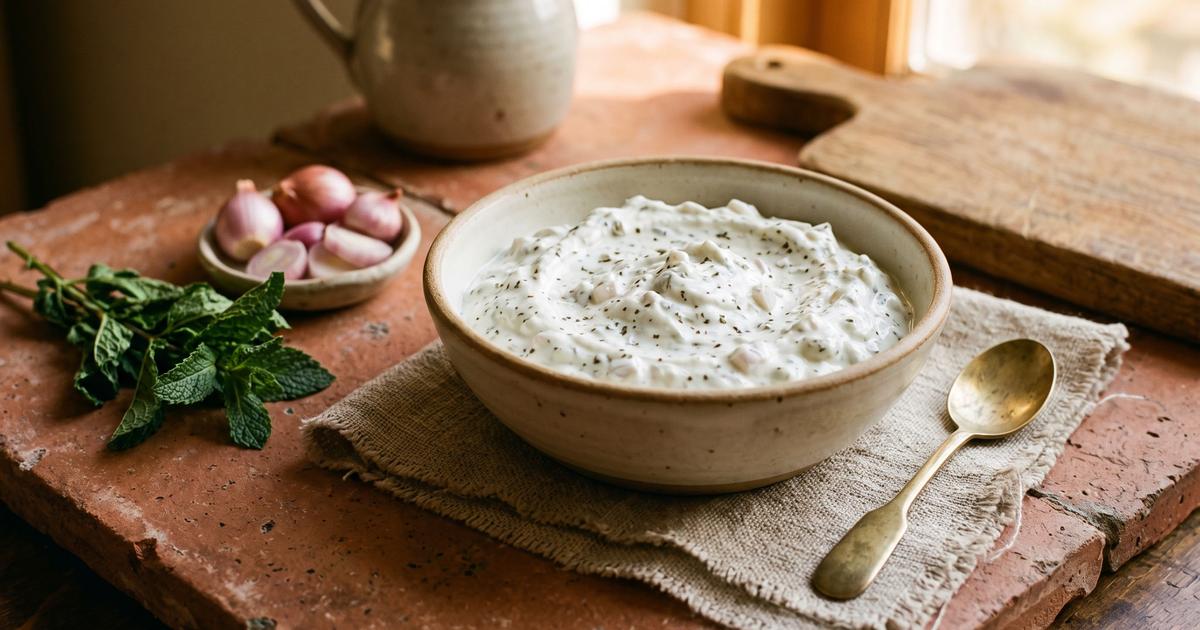
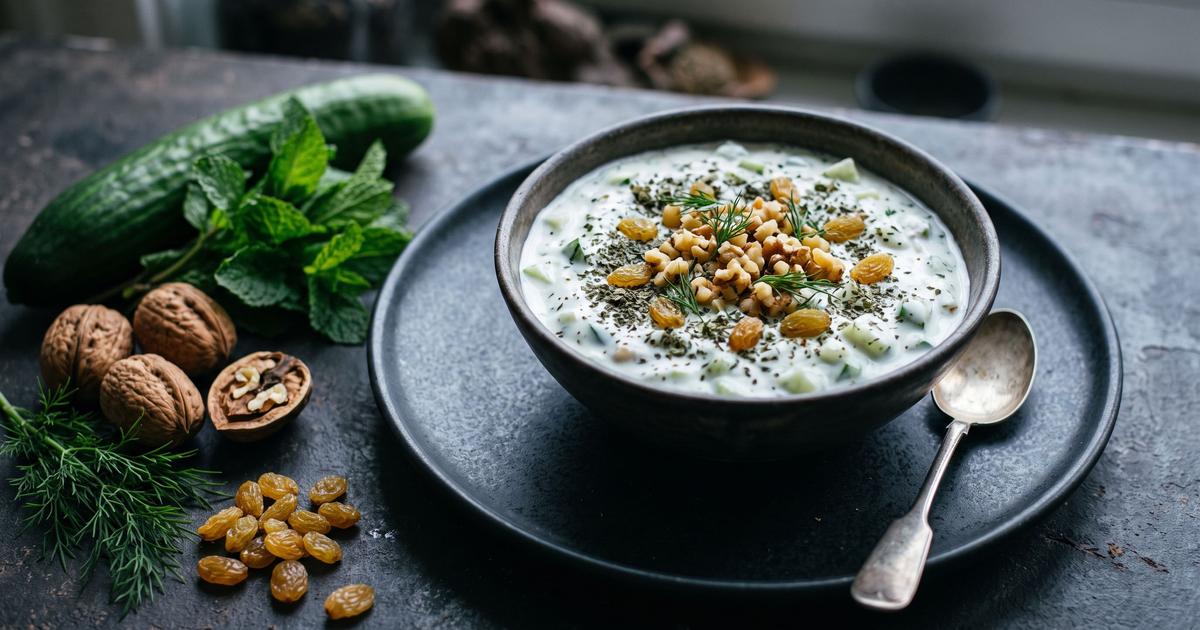
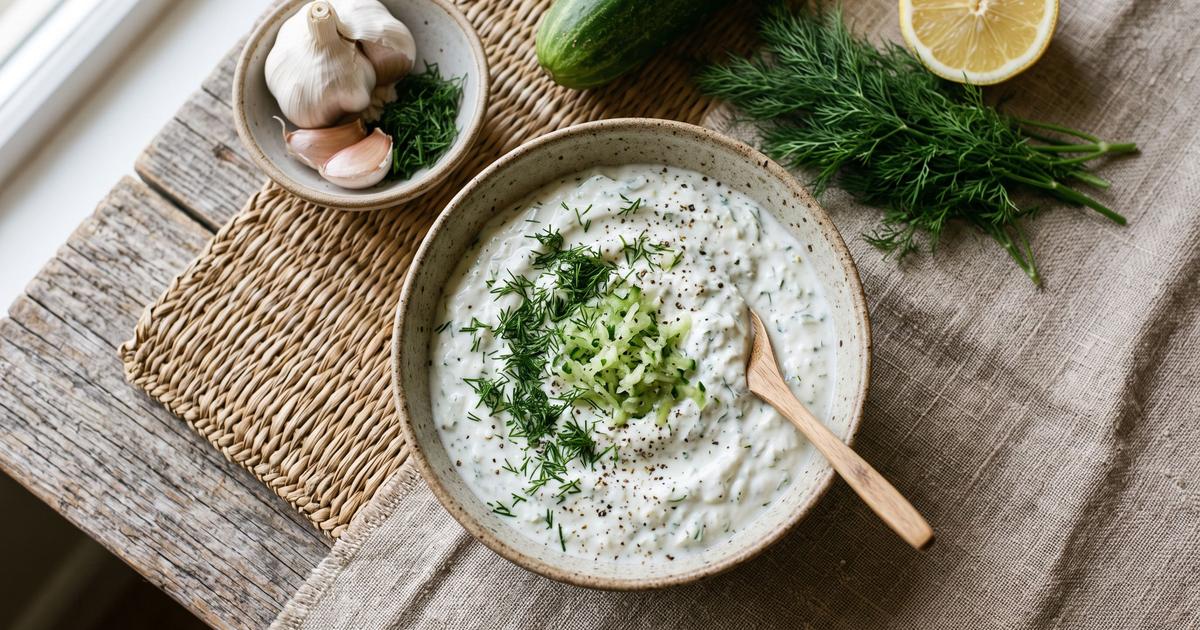
Mast-o-musir is the Persian yogurt that Iranians eat by the bowl, most famously alongside a plate of rice or with potato chips at a picnic. It is a cousin of the site's mast-o-khiar, but where that one is loaded with cucumber, walnuts, and raisins, this one is austere: yogurt, shallot, dried mint, nothing else competing. The whole character rests on the shallot, so dice it fine and soak it, and let the bowl rest so the raw allium mellows into the yogurt. Soy yogurt is worth seeking out here because it brings real protein and the body the dish needs. No oil, and the lemon carries the seasoning in place of salt.
Ingredients
- 2 cups Plain plant yogurt, unsweetened, soy for protein and thickness
- 3 wholes Shallots, peeled and diced very small
- 1 1/2 tsp Dried mint
- 1/4 tsp Black peppercorns, freshly ground
- 1 tsp Lemon juice, fresh
Method
- Dice the shallots as small as you can, then soak them in cold water for 15 minutes and drain. In Iran the shallot used is musir, a mountain variety sold dried and rehydrated; a soaked fresh shallot stands in cleanly, and the cold soak rinses off the raw sulfur so the bite reads sweet instead of harsh.
- Stir the drained shallot into the yogurt with the lemon juice. The acid does the seasoning that salt usually would here, and it firms the yogurt slightly as it sits.
- Crush the dried mint between your palms as you add it. Rubbing it releases the oils that make dried mint taste of more than dust, and dried mint, not fresh, is the traditional note in this dish.
- Grind in the black pepper and fold everything together. Cover and chill at least 30 minutes so the shallot softens into the yogurt and loses its edge.
- Taste before serving and adjust with a few more drops of lemon. Serve cold with raw vegetables or scooped onto grains, not as a sauce but as a dish in its own right.
Nutrition
Estimated per serving: 75 calories, 5 g protein, 1 g fiber, 45 mg sodium. Computed from USDA FoodData Central reference values for the main ingredients. This is an approximation, not a laboratory measurement. How these are computed.
Cost per serving is estimated from US national-average retail prices for cheap staple forms, using BLS dried-bean prices and USDA produce prices. Prices vary by store and season, so treat it as a guide, not a receipt. How this is computed.