Kolo, Ethiopian Roasted Barley Snack
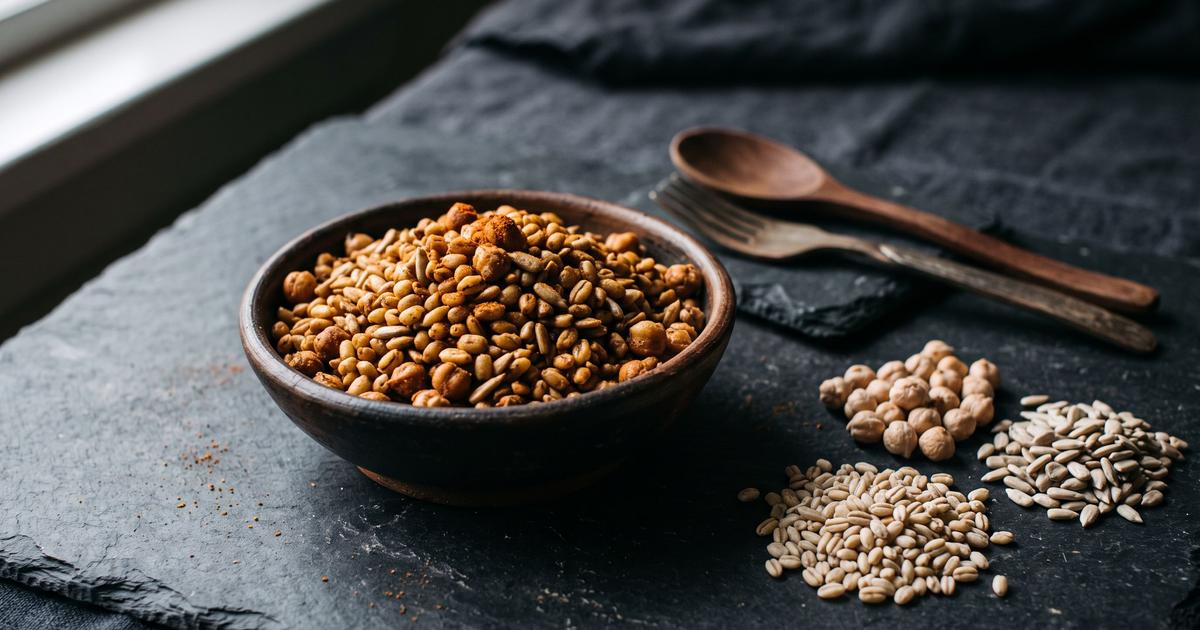
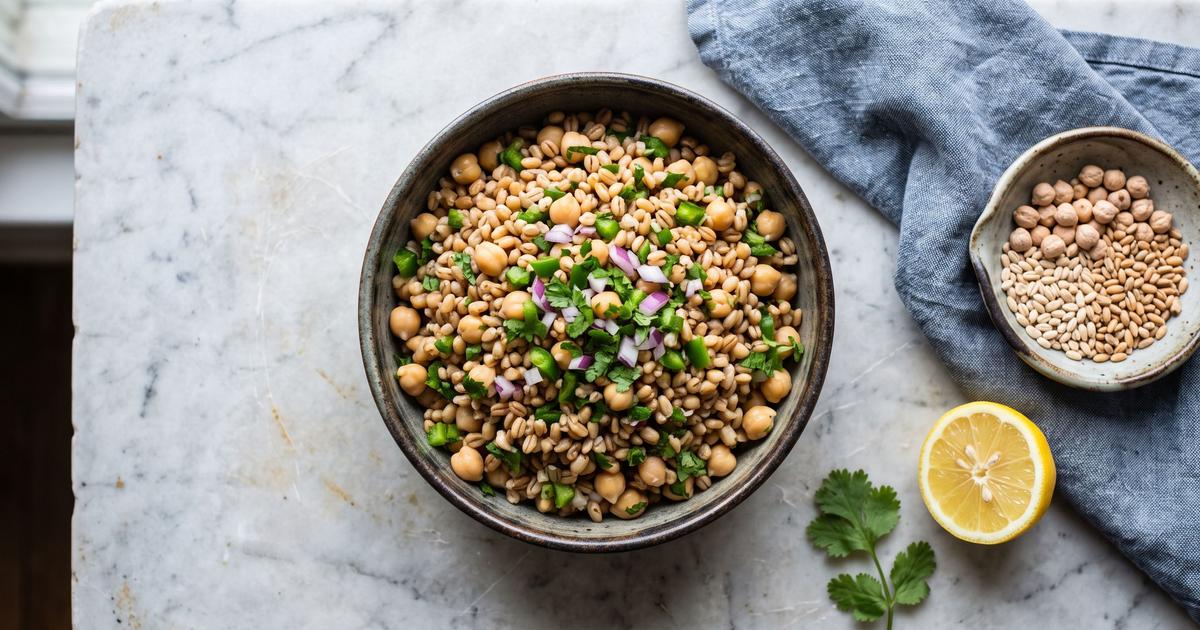
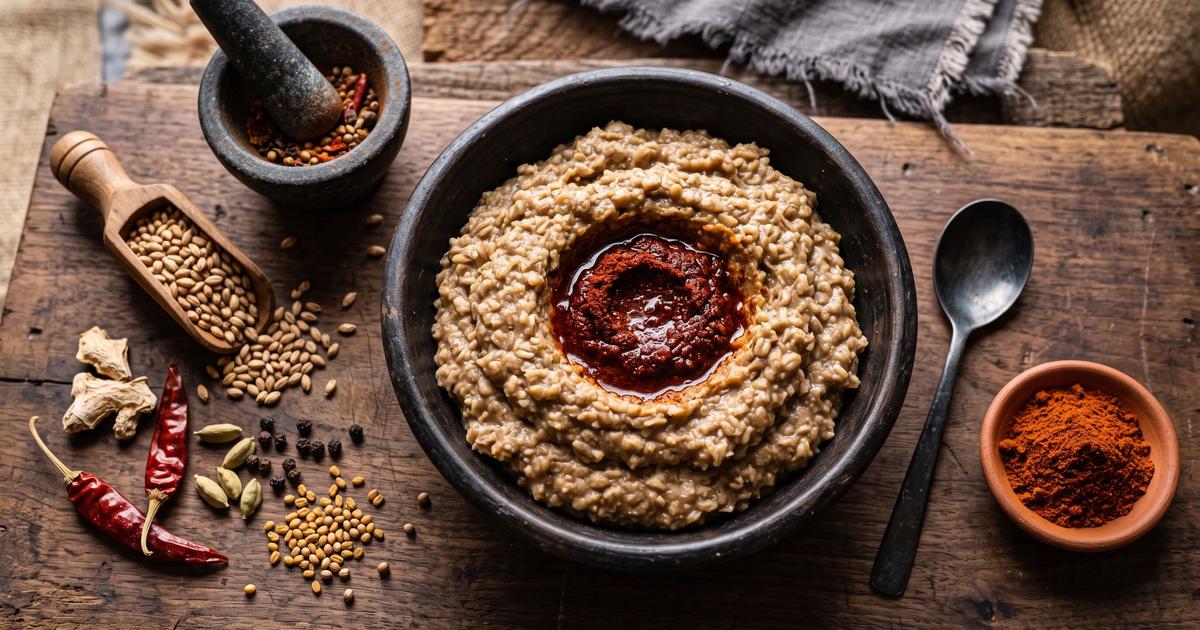
Kolo is the snack Ethiopians reach for with a cup of coffee or a handful on the road: roasted whole grains, usually barley, mixed with roasted chickpeas and oilseeds. It is deliberately hard and chewy, meant to be worked over slowly rather than crunched through, and it travels well because there is nothing in it to spoil. This version leans on the natural nuttiness of dry-roasted barley and sunflower seeds, with just enough berbere to warm it. Nothing here is fried and nothing is sweetened; the flavor is all in the toasting, so take the grains as dark as you dare without burning them.
Ingredients
- 3/4 cup Hulled barley, rinsed and dried
- 1/2 cup Chickpeas, cooked and patted dry
- 1/4 cup Sunflower seeds
- 1/2 tsp Berbere
Method
- Dry-roast the barley in a heavy skillet over medium heat for 12 to 15 minutes, shaking often, until the grains darken a shade and smell toasted. The barley stays firm and chewy on purpose, which is what kolo is; a dry pan browns it the way a coat of oil never needs to.
- Spread the cooked chickpeas on a tray and roast at 400 F (200 C) for about 20 minutes, until the outsides are crisp and split. Drying them out is the whole job here, since any moisture left inside keeps them soft and steals the crunch.
- Toast the sunflower seeds in the same skillet for 2 to 3 minutes, just until golden. They scorch in seconds once they turn, so pull them the moment you smell them.
- Tip everything into a bowl, sprinkle over the berbere while still warm, and toss. Warm grains grab the spice and hold it, so the dusting sticks without any oil to carry it.
- Cool completely before eating or storing, about 20 minutes. Kolo only reaches full crunch once it is cold, and sealed in a jar it keeps for two weeks.
Nutrition
Estimated per serving: 150 calories, 6 g protein, 6 g fiber, 20 mg sodium. Computed from USDA FoodData Central reference values for the main ingredients. This is an approximation, not a laboratory measurement. How these are computed.
Cost per serving is estimated from US national-average retail prices for cheap staple forms, using BLS dried-bean prices and USDA produce prices. Prices vary by store and season, so treat it as a guide, not a receipt. How this is computed.