Hausa Koko, Spiced Millet Porridge
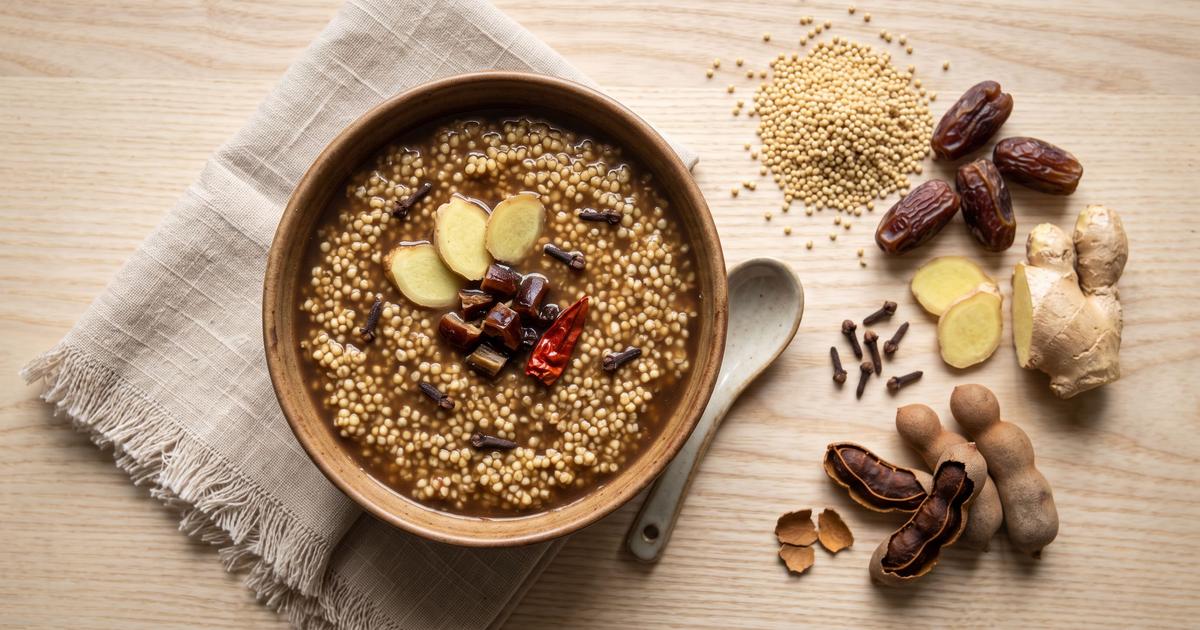
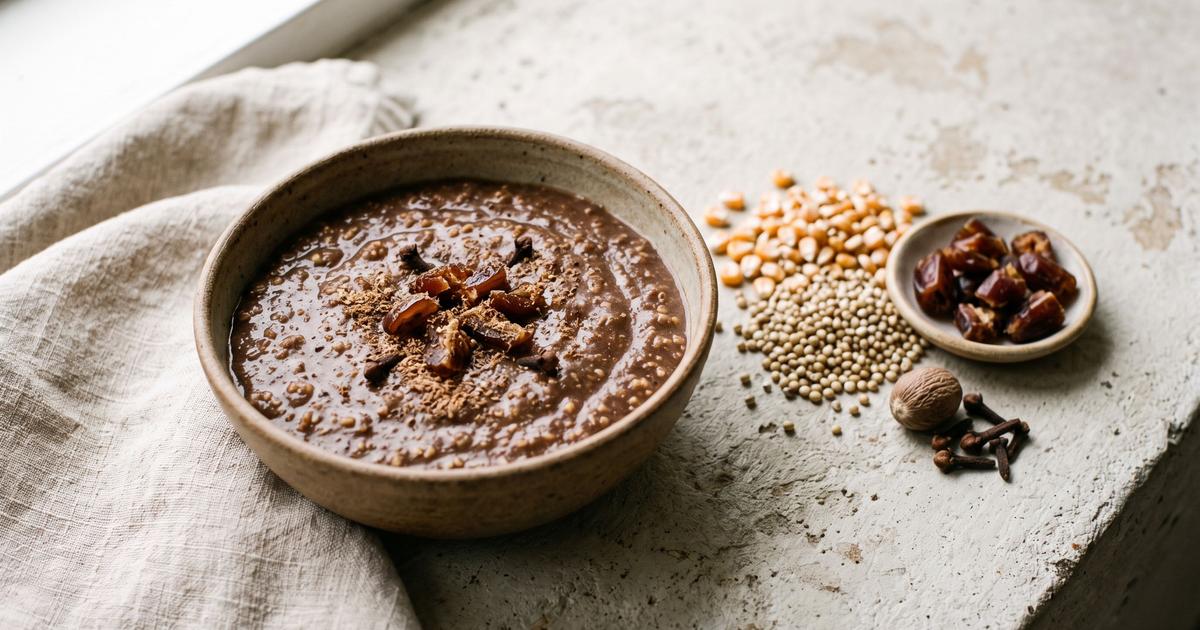
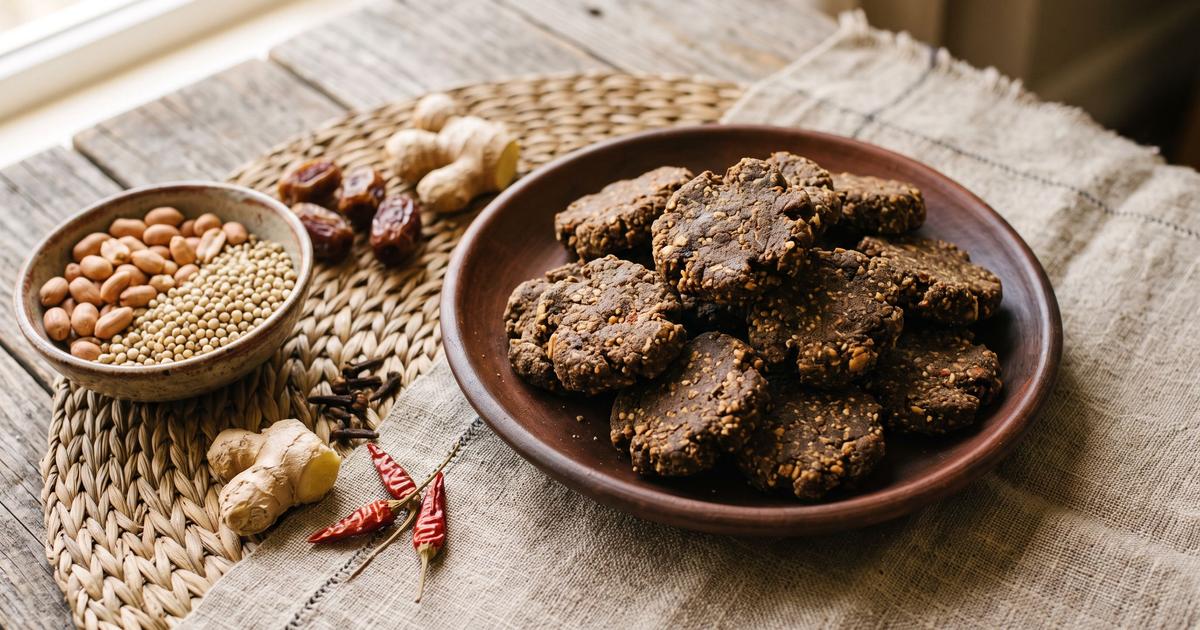
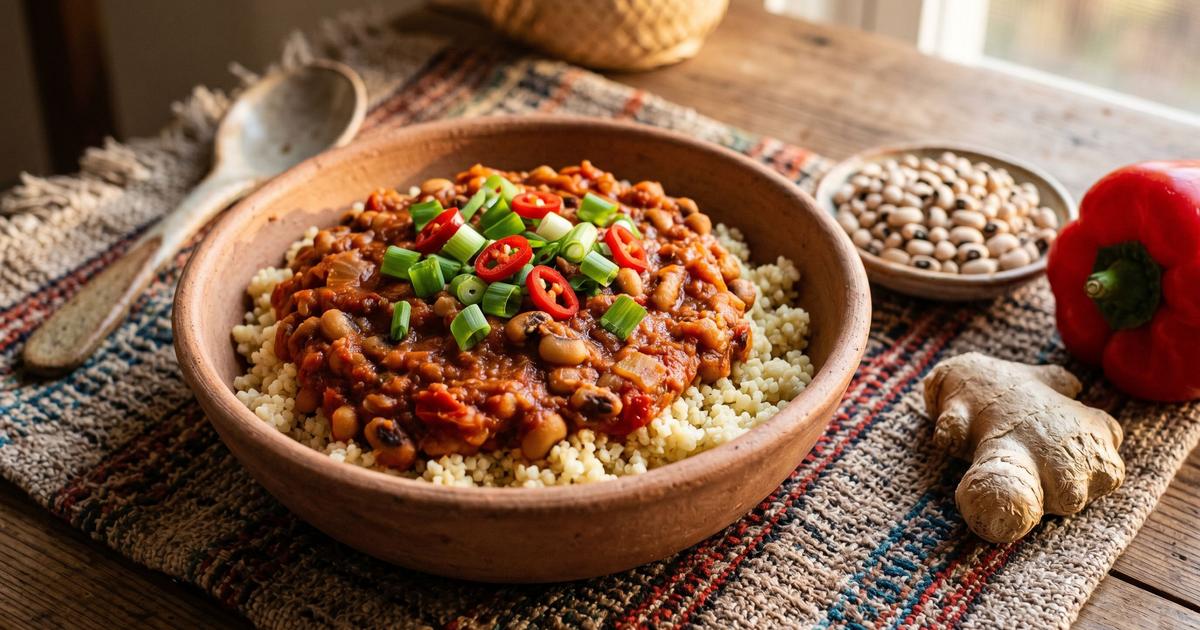
Hausa koko is a morning staple across Ghana and the wider Sahel, a spiced millet porridge sold from roadside pots and usually eaten with koose, the fried bean fritter. The traditional version ferments millet flour for a day or two, which gives it a signature tang. This one keeps the whole grain intact and rebuilds that character a different way: toasting the millet for depth, dates for sweetness, and a spoon of tamarind for the sourness fermentation would bring. Ginger, clove, and a single dried chile give it the warm, faintly hot backbone that sets koko apart from a plain bowl of porridge.
Ingredients
- 3/4 cup Millet, rinsed
- 1 tbsp Ginger, grated
- 3 wholes Cloves
- 1/4 tsp Black peppercorns, cracked
- 1 whole Dried Thai chile
- 3 wholes Medjool dates, pitted
- 1 tsp Tamarind paste
Method
- Toast the millet dry in the pot for 2 to 3 minutes, until it smells nutty and starts to smell faintly like popcorn. Toasting builds a roundness of flavor that the traditional fermentation would otherwise provide.
- Add 4 cups (960 ml) water along with the ginger, cloves, cracked pepper, and whole chile. Simmer 20 to 25 minutes, until the grains have burst and the porridge is loose and creamy. The whole spices infuse slowly while the millet thickens on its own.
- Fish out the cloves and the chile. They have given up their flavor, and left in they would turn the pot bitter or blistering.
- Blend the dates with a splash of water and stir them in with the tamarind. Dates sweeten it without sugar, and the tamarind supplies the gentle sourness that koko normally gets from fermenting the grain.
- Loosen to a drinkable or spoonable thickness with more water and serve warm. It thickens overnight, so add water when you reheat.
Nutrition
Estimated per serving: 200 calories, 5 g protein, 4 g fiber, 15 mg sodium. Computed from USDA FoodData Central reference values for the main ingredients. This is an approximation, not a laboratory measurement. How these are computed.
Cost per serving is estimated from US national-average retail prices for cheap staple forms, using BLS dried-bean prices and USDA produce prices. Prices vary by store and season, so treat it as a guide, not a receipt. How this is computed.