Grao de Bico a Portuguesa, Chickpeas with Garlic and Paprika
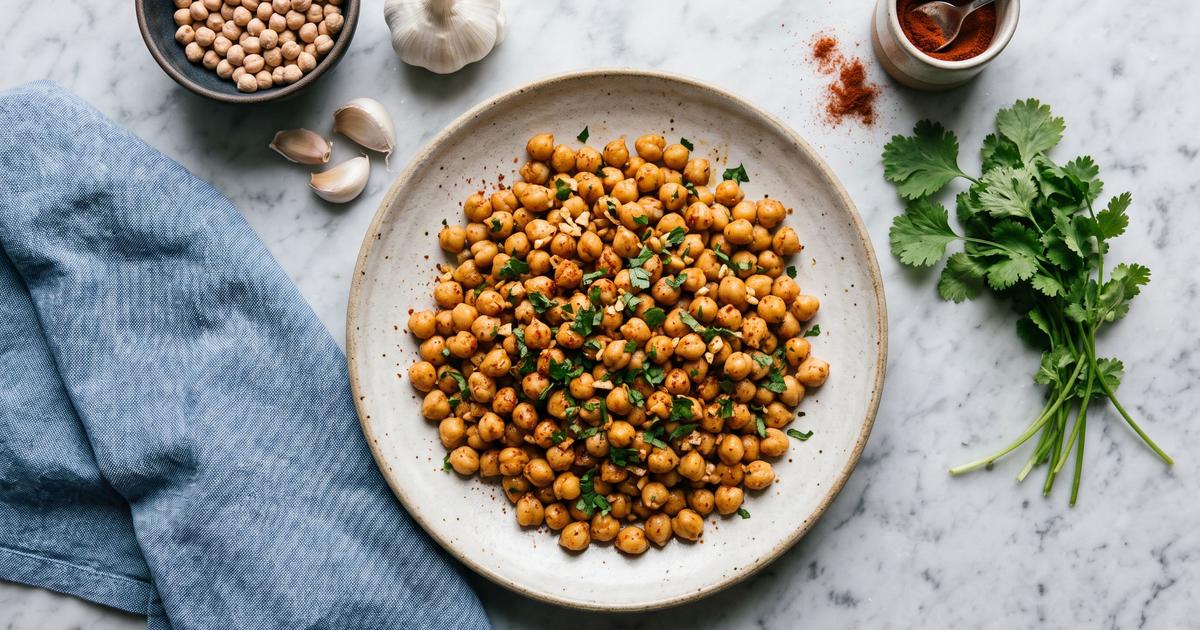
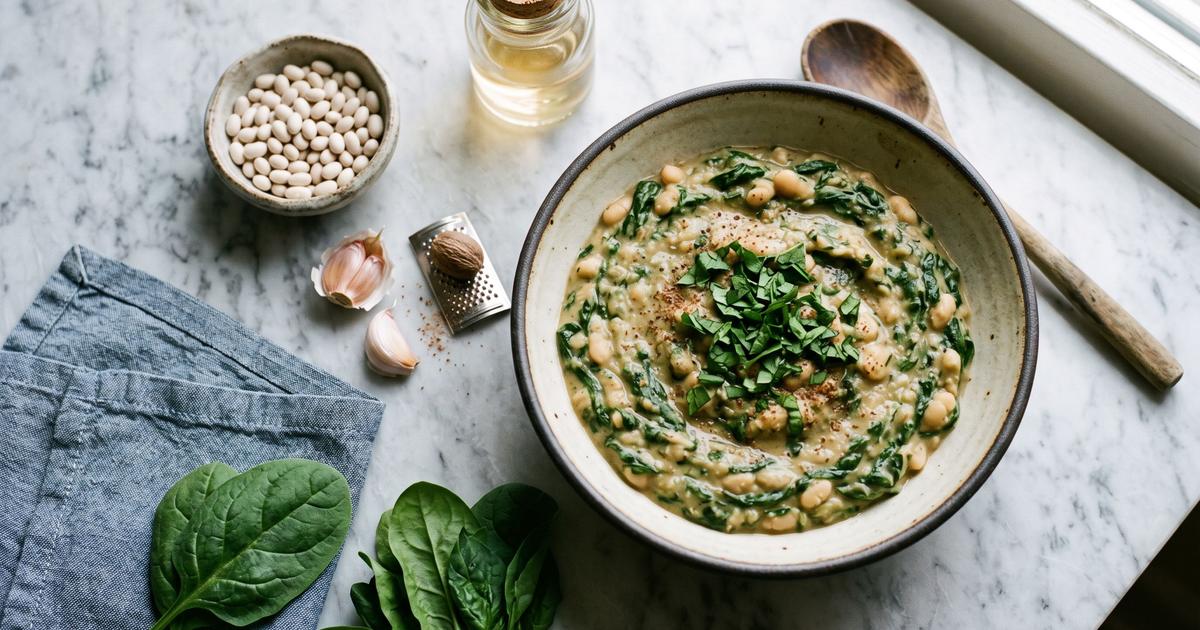
Grao de bico, chickpeas, are a fixture of the Portuguese tasca, turned out warm in a shallow dish with garlic, the deep red smoked paprika the Portuguese call colorau, and enough cilantro to turn the plate green. It is the sort of thing that arrives with a glass of wine and disappears before the meal proper begins. The whole dish comes together in the time it takes to warm the beans, so the care goes into two small things: softening the garlic without burning it, since there is no oil to buffer it, and finishing with plenty of acid so the chickpeas taste seasoned without salt. Use beans you cooked yourself for the best texture and a splash of their cooking liquid, or good canned chickpeas rinsed well. It doubles easily for a crowd.
Ingredients
- 3 cups Chickpeas, cooked, drained
- 3 cloves Garlic, sliced
- 1 whole Bay leaves
- 3/4 tsp Smoked paprika
- 1/3 cup Cilantro, chopped
- 1 tbsp Red wine vinegar
- 1 tbsp Lemon juice
- 1/2 tsp Black peppercorns, freshly ground
Method
- Warm the garlic and bay in 2 tablespoons water in a wide pan until the garlic softens and turns fragrant but not brown, about 2 minutes. Softened slowly, garlic tastes sweet; let it scorch, and with no oil to protect it, it turns bitter fast, so keep the heat gentle and the pan a little wet.
- Add the chickpeas, smoked paprika, and a splash more water, and toss over medium heat for 5 minutes to warm through and coat. The pimenton blooms in the heat and paints the beans red, which is both the color and the smoke of the dish.
- Take the pan off the heat and add the vinegar, lemon juice, black pepper, and cilantro. The double hit of acid does the job salt would, waking the chickpeas up, and the cilantro is the herb that marks this as Portuguese rather than Spanish.
- Serve warm or at room temperature. Like most petiscos it tastes fuller as it sits, so it is just as good made an hour ahead.
Nutrition
Estimated per serving: 230 calories, 11 g protein, 9 g fiber, 30 mg sodium. Computed from USDA FoodData Central reference values for the main ingredients. This is an approximation, not a laboratory measurement. How these are computed.
Cost per serving is estimated from US national-average retail prices for cheap staple forms, using BLS dried-bean prices and USDA produce prices. Prices vary by store and season, so treat it as a guide, not a receipt. How this is computed.