Baião de Dois, Brazilian Rice and Beans
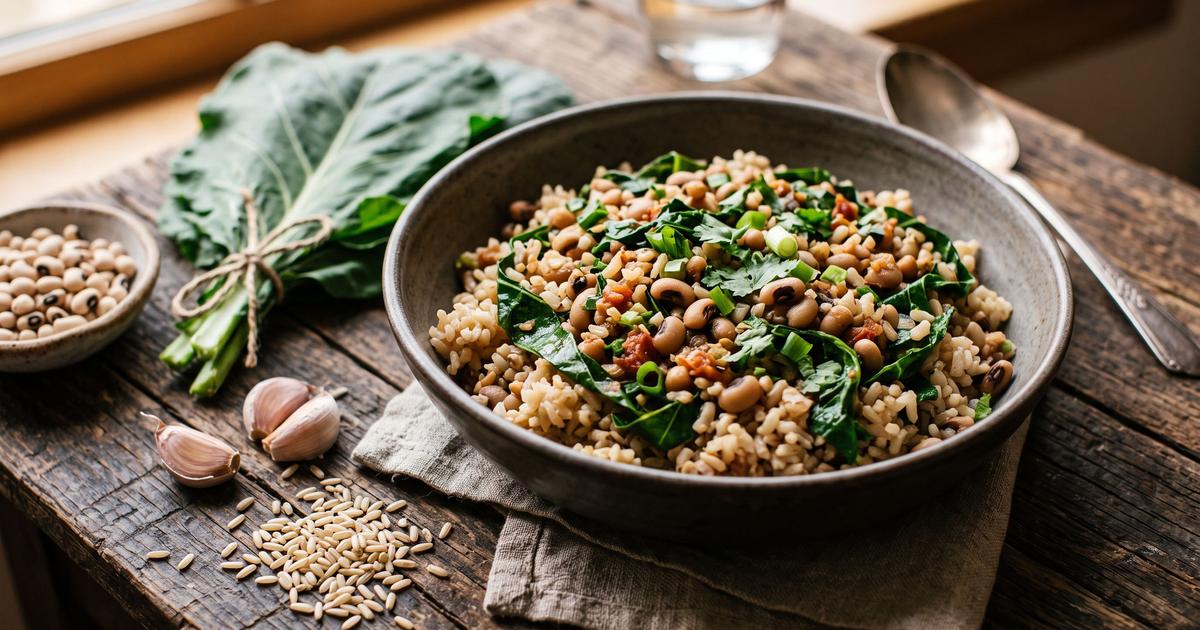
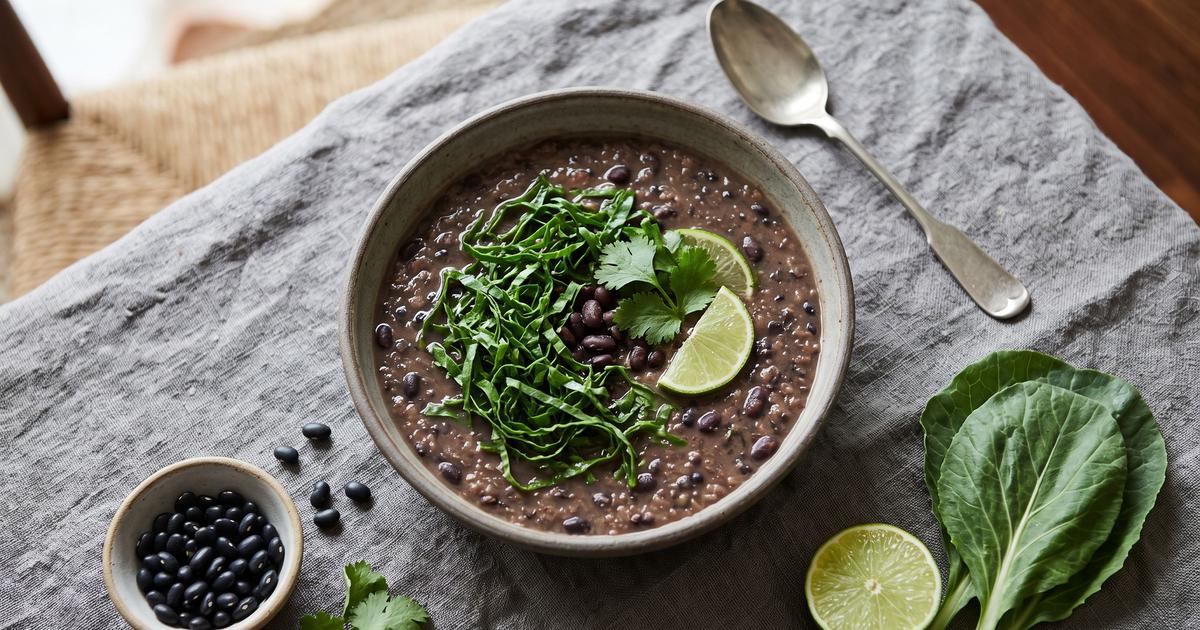
Baião de dois comes from the northeast of Brazil, its name borrowed from the baião, a regional dance, with the two dancers being rice and beans cooked together in a single pot. The traditional version uses local queijo coalho and dried beef or sausage, but the heart of the dish is the rice-and-bean base, and it holds up beautifully on its own. Black-eyed peas are the classic choice. A proper sofrito of onion, garlic, and tomato cooked before the rice goes in is what seasons the grains all the way through, and a handful of ribboned collards folded in at the end nods to the couve that so often shares the plate. Lime and cilantro finish it, no salt required. It is a full, cheap, protein-heavy meal from one pot.
Ingredients
- 1 1/2 cups long grain brown rice
- 1 1/2 cups Black-eyed peas, cooked, drained
- 2 Fresh tomatoes, chopped
- 1 Yellow onion, diced
- 4 cloves Garlic, minced
- 1/2 tsp Cumin seed, toasted and ground
- 4 leafs Collard greens, stemmed and cut in thin ribbons
- 3 Scallions, thinly sliced
- 1/3 cup Cilantro, chopped
- 2 tbsp Lime juice
Method
- Sweat the onion in the pot with a splash of water until soft, about 6 minutes. Add the garlic and cumin and cook a minute, then the chopped tomatoes, and cook down to a loose sofrito, about 5 minutes. This base is what flavors the rice from within, not from a sprinkle at the end.
- Add the rice and 3 cups (700 ml) water, stir once, bring to a boil, then cover and simmer on low for 35 to 40 minutes, until the rice is tender and the water is gone.
- In the last 5 minutes, fold in the black-eyed peas and the collard ribbons. The residual heat warms the beans through and just wilts the greens so they keep their color and bite.
- Turn off the heat and let it rest, covered, for 5 minutes.
- Fold in the scallion, cilantro, and lime juice. The lime brightens the whole pot and takes the place of salt. Serve warm.
Nutrition
Estimated per serving: 320 calories, 13 g protein, 11 g fiber, 35 mg sodium. Computed from USDA FoodData Central reference values for the main ingredients. This is an approximation, not a laboratory measurement. How these are computed.
Cost per serving is estimated from US national-average retail prices for cheap staple forms, using BLS dried-bean prices and USDA produce prices. Prices vary by store and season, so treat it as a guide, not a receipt. How this is computed.