Meghli, Levantine Spiced Caraway Pudding
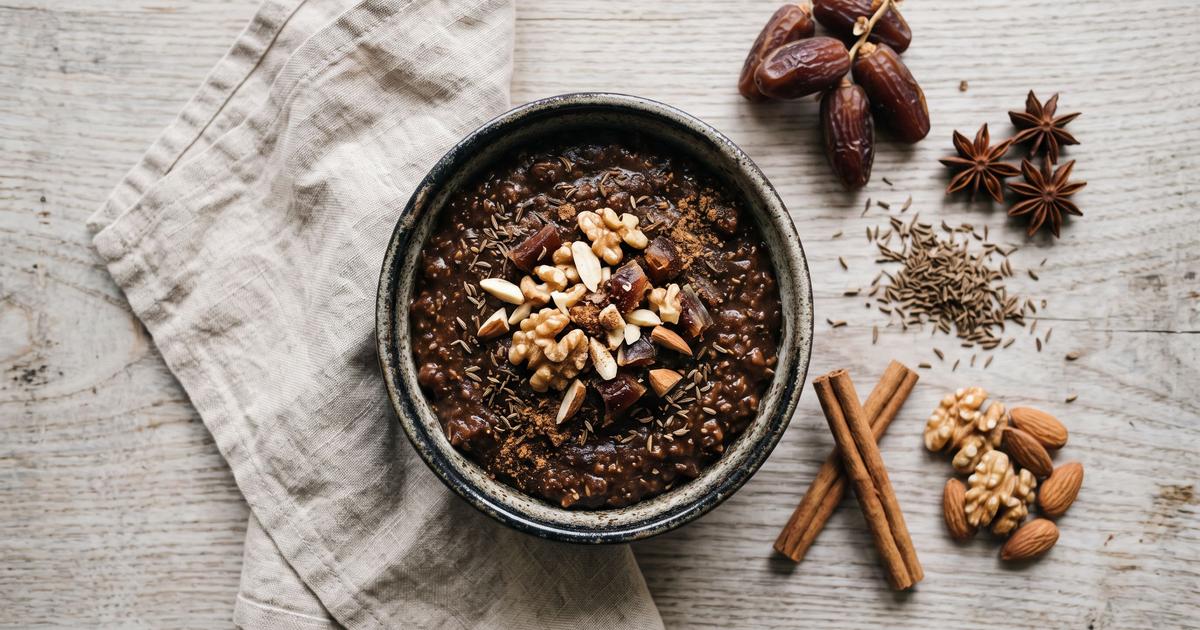
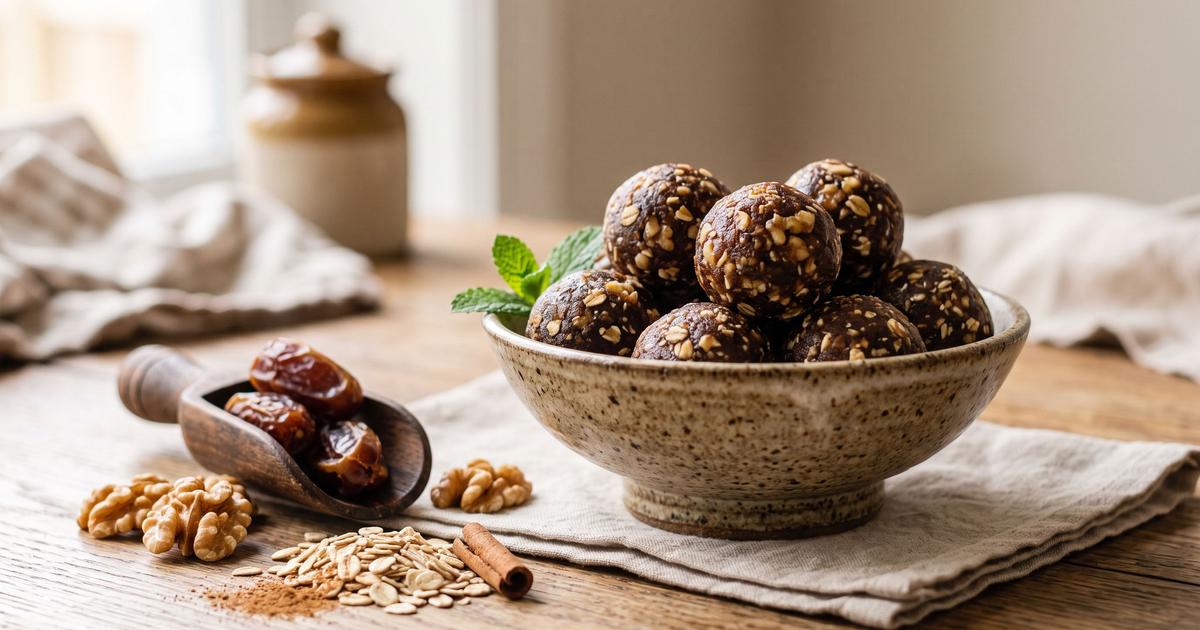
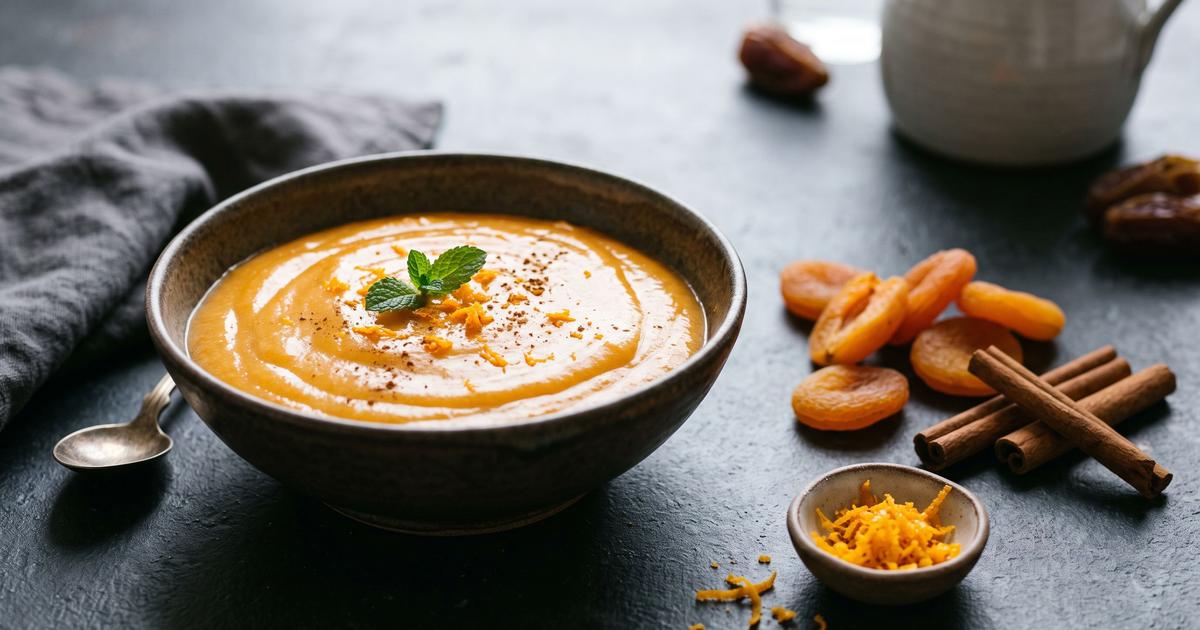
Meghli is the spiced pudding Lebanese families make to welcome a new baby, dark and heavily perfumed with caraway, anise, and cinnamon. It is water-based, thickened with starch rather than milk, which makes it naturally dairy-free. The spices are the entire character, so toast and grind them fresh and use a heavier hand than feels reasonable. Dates blended into the pot sweeten it without sugar. It sets firm as it chills, then gets crowned with nuts soaked overnight until plump: walnuts and almonds here, with the usual shower of shredded coconut left off. Make it a day ahead so it has time to set and the spices to bloom.
Ingredients
- 1/3 cup Cornstarch
- 1 tbsp Caraway, toasted and ground
- 1 tsp Fennel seed, toasted and ground, standing in for anise
- 1 tsp cassia cinnamon, ground
- 1/2 tsp ground ginger
- 8 wholes Medjool dates, pitted and blended with 1 cup water into a paste
- 3 tbsp Walnuts, soaked overnight, chopped
- 3 tbsp Almonds, soaked overnight, slivered
Method
- Toast the caraway and fennel seeds in a dry pan until fragrant, then grind them with the cinnamon. The spices are the whole character of meghli, so grinding them fresh and using a heavier hand than feels reasonable is the point, not a garnish.
- Whisk the cornstarch into 3 cups cold water until smooth, then whisk in the date paste, the ground spices, and the ginger. Starting cold and whisking well is what keeps the pudding from seizing into lumps once it heats.
- Cook over medium heat, stirring constantly, until it thickens to a glossy, deep-brown pudding that coats the spoon, about 8 minutes. Keep stirring the whole time so the bottom does not catch.
- Pour into small cups and chill until set, at least 2 hours. It firms as it cools.
- Top each cup with the soaked walnuts and almonds. Soaking the nuts overnight plumps them soft, the way they are meant to sit on top; the usual shower of shredded coconut is left off here.
Nutrition
Estimated per serving: 190 calories, 3 g protein, 3 g fiber, 10 mg sodium. Computed from USDA FoodData Central reference values for the main ingredients. This is an approximation, not a laboratory measurement. How these are computed.
Cost per serving is estimated from US national-average retail prices for cheap staple forms, using BLS dried-bean prices and USDA produce prices. Prices vary by store and season, so treat it as a guide, not a receipt. How this is computed.