Macedonia, Italian Fruit Salad
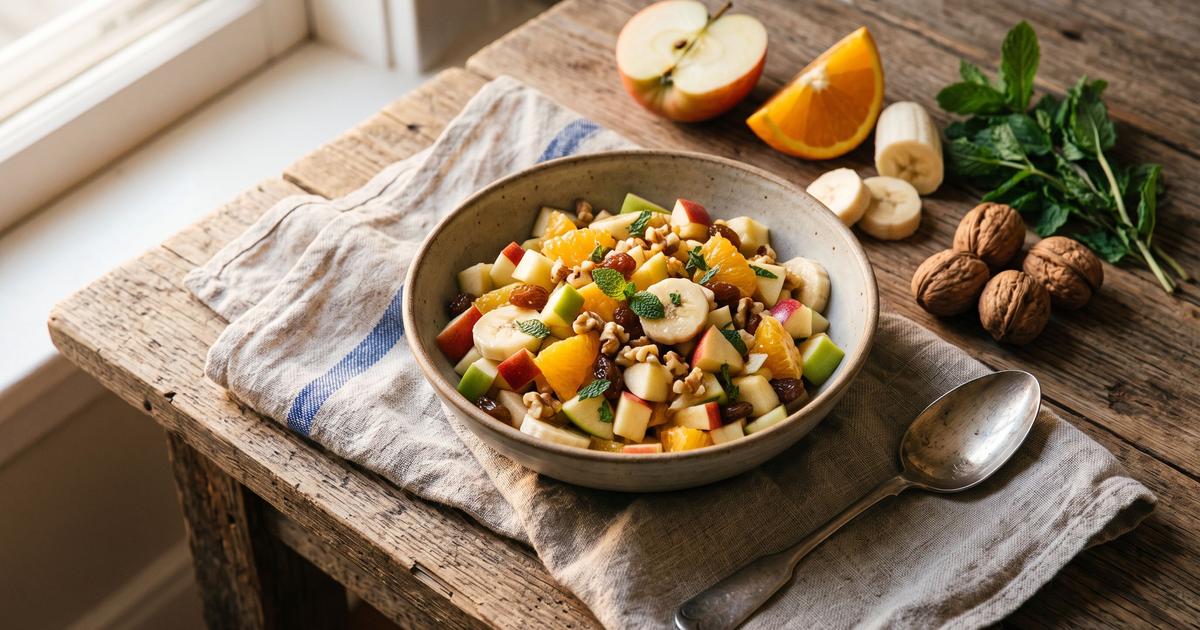
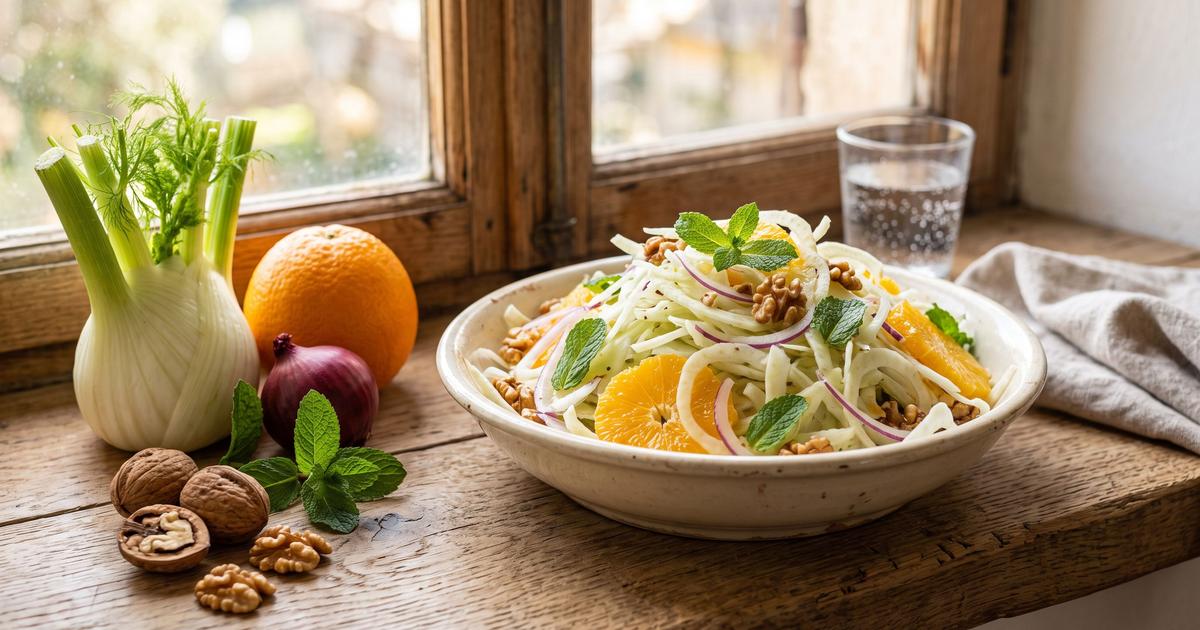
Macedonia is the fruit salad that ends an Italian family meal, a mix of whatever is ripe cut small and left to sit in its own juice. The name is old and the recipe is looser than a recipe, which is the point: use what is in season and in the bowl. What makes it dessert rather than a snack is the maceration, the half hour the cut fruit spends releasing juice and softening into something that tastes composed. It leans on citrus for the dressing and on the fruit itself for all its sweetness, so there is no call for the sugar or liqueur some versions add. Toasted walnuts give it a little richness and crunch to finish.
Ingredients
- 2 Apples, cored and diced
- 2 Oranges, one juiced, one peeled and segmented
- 1 Banana, sliced
- 1 cup Frozen mixed berries, thawed
- 3 tbsp Raisins
- 1 tbsp Lemon juice
- 1/4 cup Walnuts, toasted and chopped
- 2 tbsp Mint, torn
Method
- Cover the raisins with hot water and leave them to plump while you cut the fruit. Ten minutes turns them from hard and chewy to soft and juicy, and the soaking water can go into the bowl too.
- Juice one orange into a large bowl and add the lemon juice. Toss the diced apple and sliced banana in this first, before anything else, because the acid stops both from browning and starts drawing out a light syrup.
- Toast the walnuts in a dry pan over medium heat until they smell nutty, about 4 minutes, then chop them. Toasting is worth the extra pan; raw walnuts taste flat and slightly bitter by comparison.
- Add the orange segments, thawed berries, and the drained raisins, and fold everything together gently so the banana and berries keep their shape. Let it sit 15 minutes for the juices to mingle into their own dressing, no sugar or syrup needed.
- Scatter the toasted walnuts and torn mint over the top just before serving so the nuts stay crisp and the mint stays green. It keeps a day covered in the fridge, though it is brightest the hour it is made.
Nutrition
Estimated per serving: 170 calories, 3 g protein, 5 g fiber, 5 mg sodium. Computed from USDA FoodData Central reference values for the main ingredients. This is an approximation, not a laboratory measurement. How these are computed.
Cost per serving is estimated from US national-average retail prices for cheap staple forms, using BLS dried-bean prices and USDA produce prices. Prices vary by store and season, so treat it as a guide, not a receipt. How this is computed.