Datteri Ripieni, Sicilian Almond-Stuffed Dates
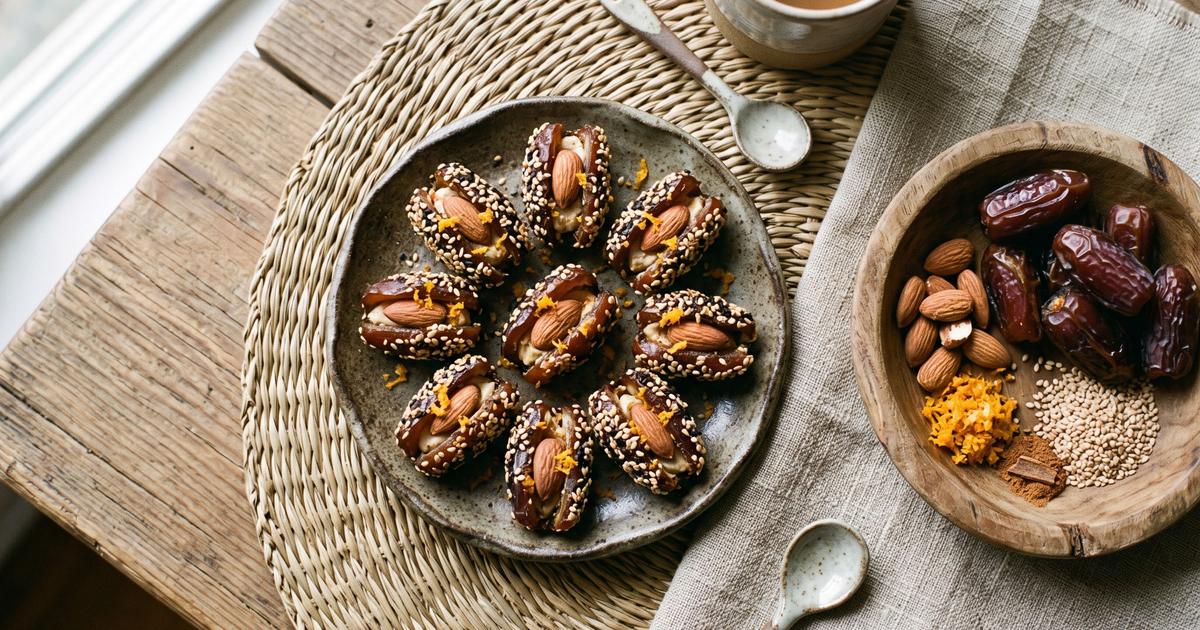
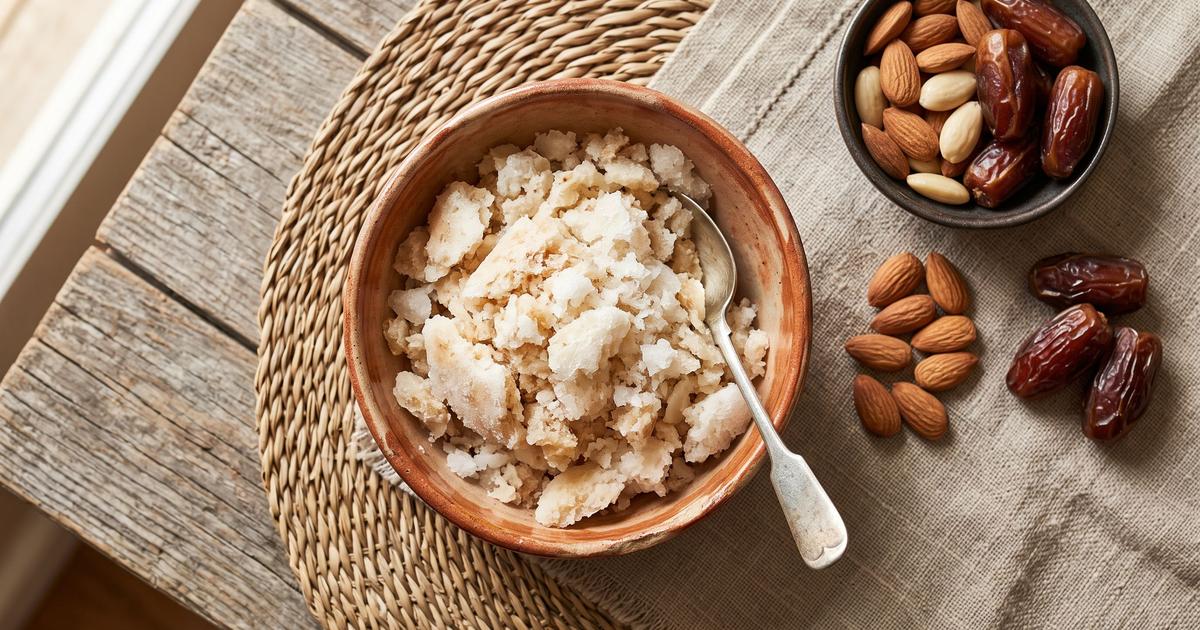
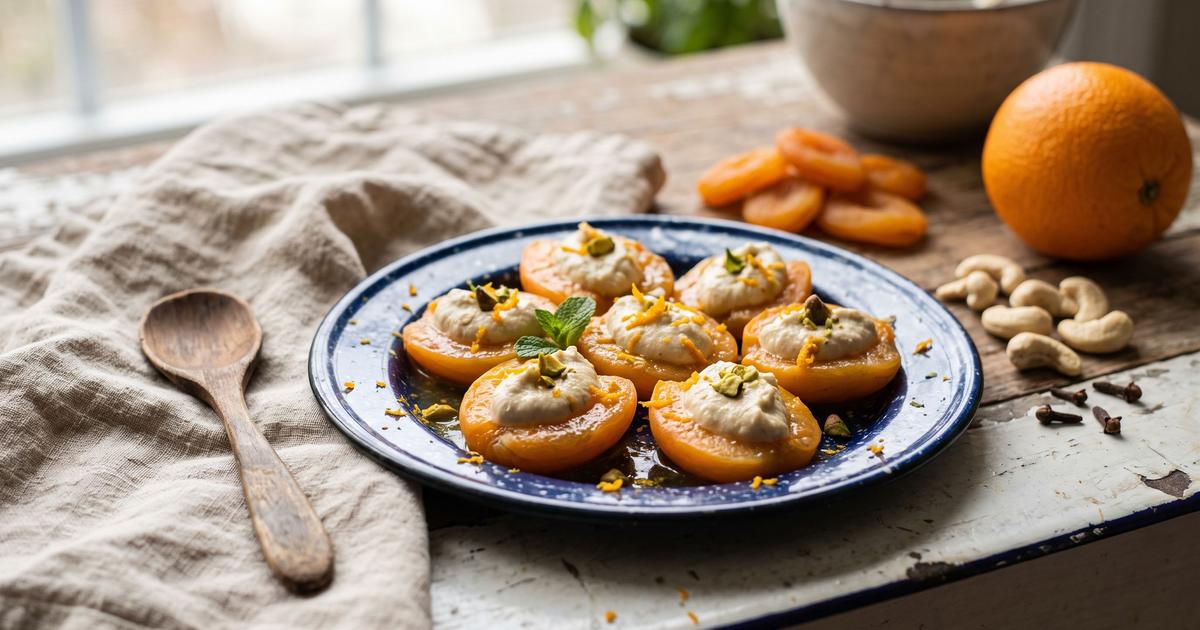
Sicily grows dates and almonds within sight of each other, and datteri ripieni put the two together as a small sweet for the holidays and the coffee table. The showy versions stuff the dates with tinted almond paste and candied peel; this one keeps it whole and honest, a single toasted almond for crunch, fresh orange zest and cinnamon for lift, sesame for a savory finish. There is no added sugar because a Medjool date is already sugar with its fiber attached, concentrated and caramel-deep. The work is twenty quiet minutes of pitting and stuffing, and the result sits in a tin for a week, ready two at a time.
Ingredients
- 18 Medjool dates
- 18 wholes Almonds
- 1 Orange, zest only
- 1/2 tsp Ceylon cinnamon
- 2 tbsp Sesame seeds
Method
- Toast the almonds and sesame seeds separately in a dry pan until fragrant, 2 to 3 minutes each. Toasting is the difference between a nut that tastes raw and one that tastes roasted; in a sweet with so few parts it is not optional.
- Slit each date lengthwise and lift out the pit. Medjool dates are soft enough to open with a thumbnail, and their caramel sweetness is the reason no sugar is added or needed.
- Tuck a toasted almond into each date with a little orange zest and a pinch of cinnamon. The bright zest and warm spice cut the dates' sweetness so each one tastes lively rather than cloying.
- Pinch each date closed around the almond and roll it in the toasted sesame. The seeds add crunch and a faintly savory edge that keeps the sweetness in check.
- Chill for 15 minutes to firm them up before serving. They keep a week in a tin, which makes them the Sicilian answer to a box of chocolates.
Nutrition
Estimated per serving: 220 calories, 3 g protein, 6 g fiber, 2 mg sodium. Computed from USDA FoodData Central reference values for the main ingredients. This is an approximation, not a laboratory measurement. How these are computed.
Cost per serving is estimated from US national-average retail prices for cheap staple forms, using BLS dried-bean prices and USDA produce prices. Prices vary by store and season, so treat it as a guide, not a receipt. How this is computed.