Compote de Pommes, French Apple Compote
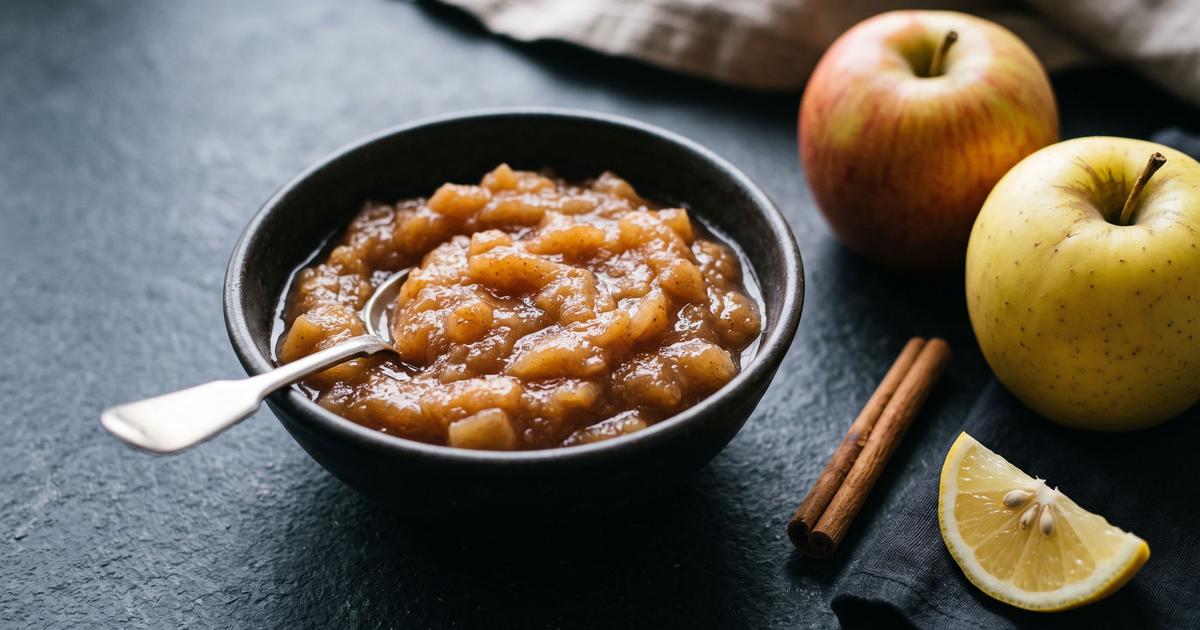
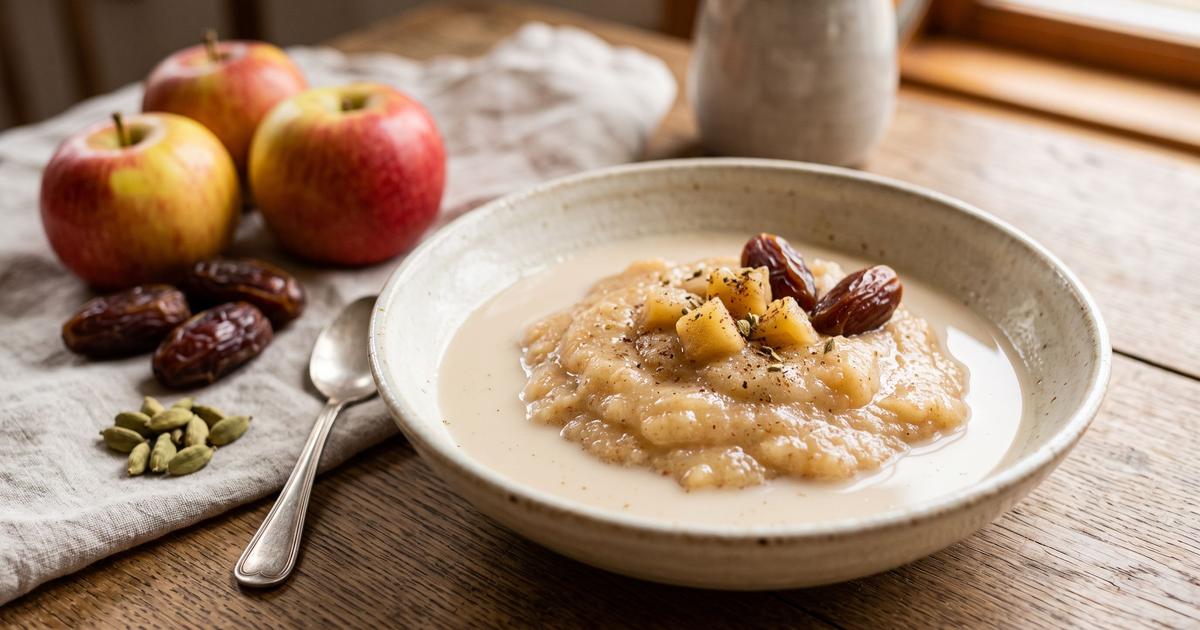
Compote de pommes is the first thing many French children eat from a spoon and a fixture in the fridge long after, sold in little pots but far better made at home from apples going soft in the bowl. It is nothing more than apples stewed down with a strip of lemon and a warm spice or two until they collapse into a soft, fragrant sauce, distinct from a whole baked apple in both texture and ease. Because good apples are already sweet, no sugar is needed at all; the trick is to cook them covered and low so they steam into softness without scorching, then let the liquid reduce to concentrate what is there. A tart apple loosens into sauce while a sweeter one keeps some body, so a mix gives the best texture. Eat it warm with a little cinnamon, cold from the fridge, folded into morning oats, or spooned alongside anything that wants a note of sweetness.
Ingredients
- 6 mediums Apples, peeled, cored, chopped
- 1 tbsp Lemon juice
- 1 stick Ceylon cinnamon
- 1 whole Cloves
- 2 tbsp Raisins
Method
- Combine the chopped apples in a pot with 3 tablespoons water (45 ml), the lemon juice, cinnamon stick, clove, and raisins. The lemon keeps the fruit from browning and balances its sweetness, and the small splash of water is only there to raise steam and keep the bottom from catching.
- Cover and cook over low heat, stirring now and then, until the apples slump and go soft, about 15 to 20 minutes. Use a mix of a sweet apple and a tart one if you can; the tart apples break down into sauce while the sweet ones hold a little shape.
- Fish out the cinnamon stick and the clove, then mash to the texture you like, chunky or smooth. No sugar goes in: as the water cooks off, the apples' own sweetness concentrates, and the raisins add a second, deeper note of sweet.
- Serve warm or cold. It keeps a week in the fridge, thickens as it chills, and is as much a breakfast spooned over oats as it is a dessert on its own.
Nutrition
Estimated per serving: 120 calories, 1 g protein, 5 g fiber, 5 mg sodium. Computed from USDA FoodData Central reference values for the main ingredients. This is an approximation, not a laboratory measurement. How these are computed.
Cost per serving is estimated from US national-average retail prices for cheap staple forms, using BLS dried-bean prices and USDA produce prices. Prices vary by store and season, so treat it as a guide, not a receipt. How this is computed.