Sinangag, Filipino Garlic Fried Rice
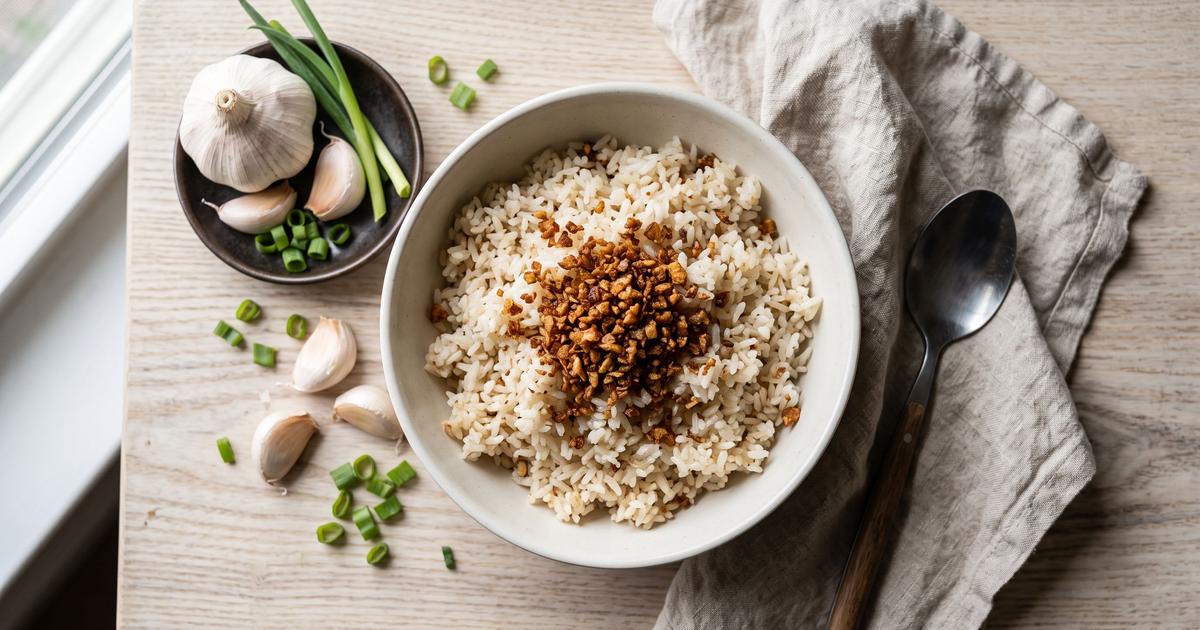
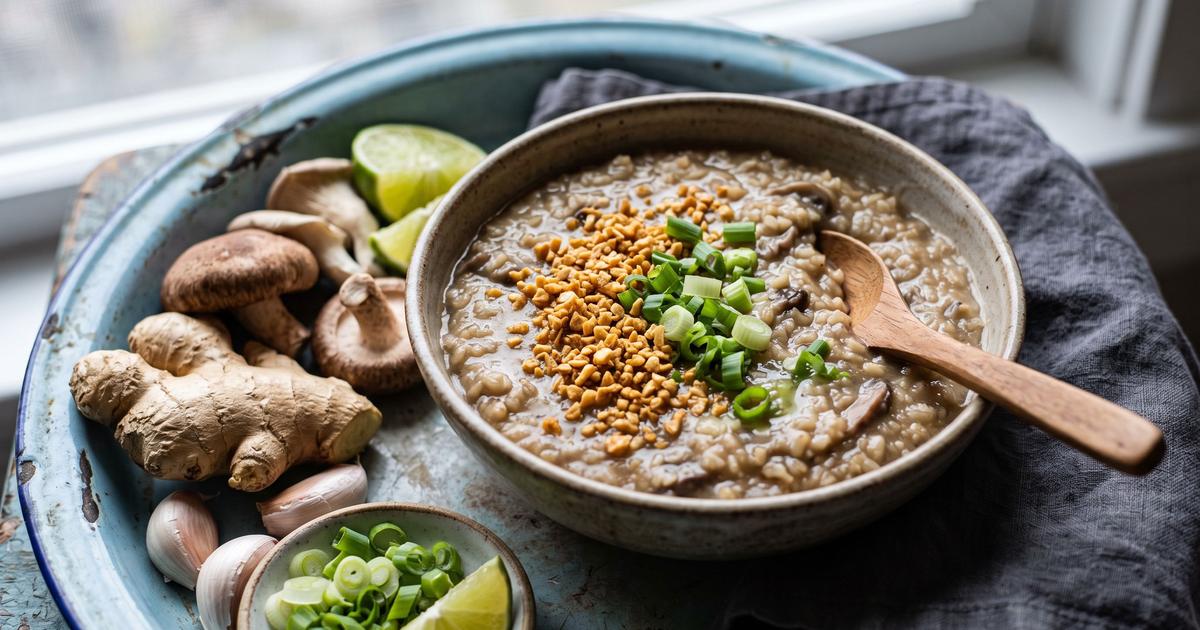
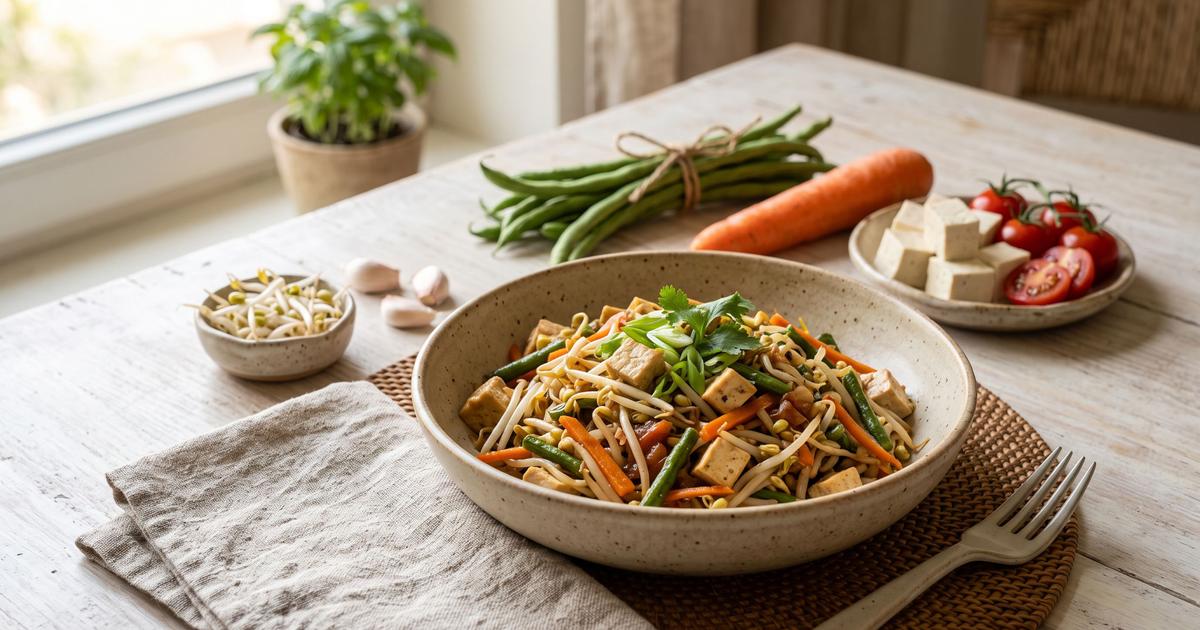
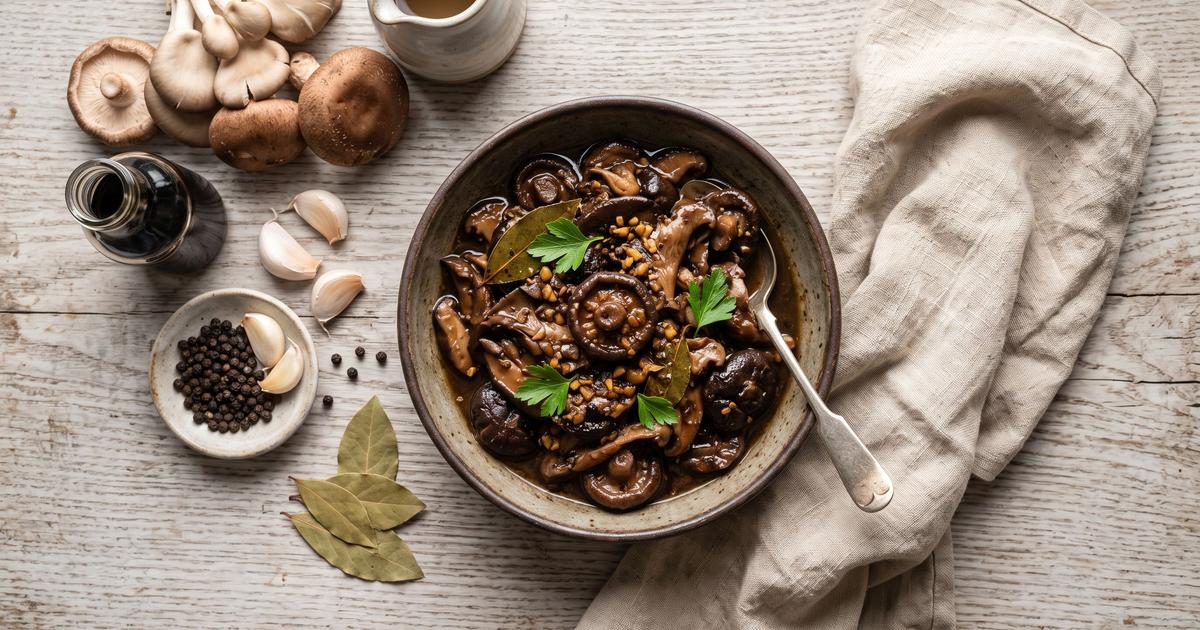
Sinangag is the garlic fried rice at the center of the Filipino breakfast, the sinangag in tapsilog, tocilog, and every other silog plate. It is usually cooked in oil and salted hard, and neither is actually load-bearing: what carries the dish is garlic in two forms, some softened into the rice and some crisped into a shower on top. Day-old rice is not a suggestion but a requirement, since only cold, dried-out grains will toast and separate instead of clumping. Serve it under whatever you like, a tofu scramble, sauteed greens, or a fried mushroom cap, with a wedge of lime for calamansi.
Ingredients
- 4 cups long grain brown rice, cooked and cold, day-old
- 12 cloves Garlic, minced
- 3 Scallions, sliced
- 1/4 tsp White pepper
- 1 Lime, cut into wedges
Method
- Put half the minced garlic in a cold dry nonstick pan and bring the heat up slowly, stirring, until it turns golden and crisp, about 4 minutes. Starting cold is the trick: garlic burns almost instantly in a hot pan, and a slow start crisps it evenly without a drop of oil. Scoop it out to reserve as the topping.
- Add the rest of the garlic to the pan with a tablespoon of water and cook 30 seconds, just to take off the raw edge.
- Add the cold rice and press it flat against the pan. Let it sit, then toss, repeating over high heat for 5 to 6 minutes, adding water a tablespoon at a time whenever it sticks. Cold day-old rice fries up in separate grains, while fresh warm rice turns to paste, so this step depends on the rice being cold.
- Fold in the scallions and white pepper. Pile the reserved crisp garlic on top and serve with lime wedges. Sinangag is named for its garlic, so this is where you are generous with it.
Nutrition
Estimated per serving: 240 calories, 6 g protein, 4 g fiber, 12 mg sodium. Computed from USDA FoodData Central reference values for the main ingredients. This is an approximation, not a laboratory measurement. How these are computed.
Cost per serving is estimated from US national-average retail prices for cheap staple forms, using BLS dried-bean prices and USDA produce prices. Prices vary by store and season, so treat it as a guide, not a receipt. How this is computed.