Pikliz, Haitian Spicy Pickled Slaw
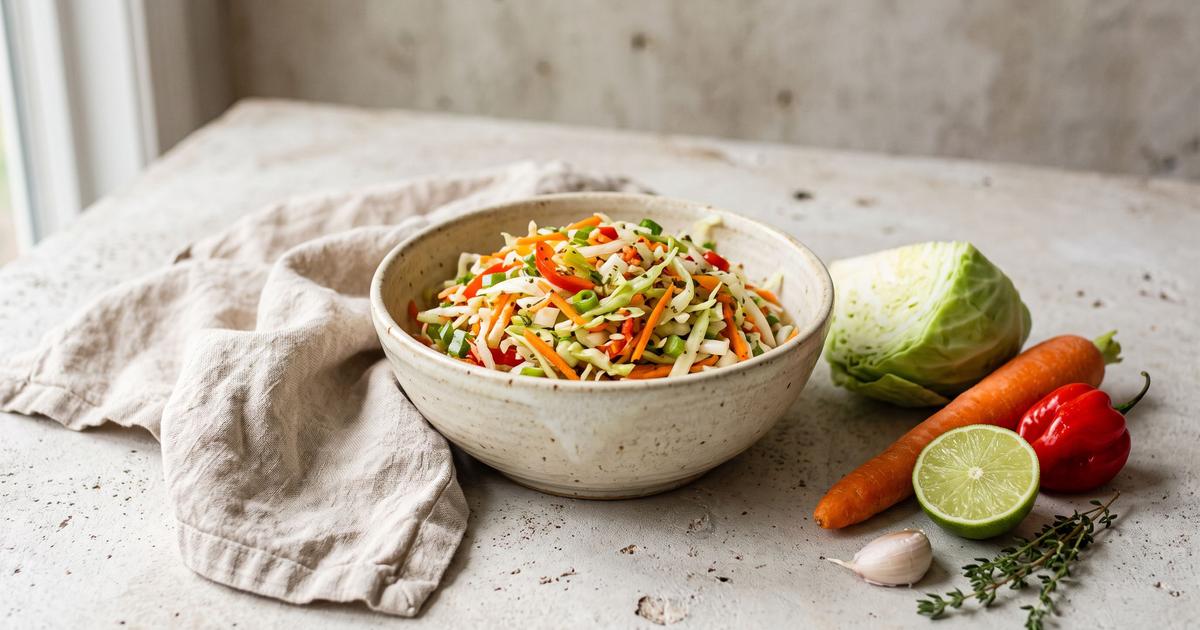
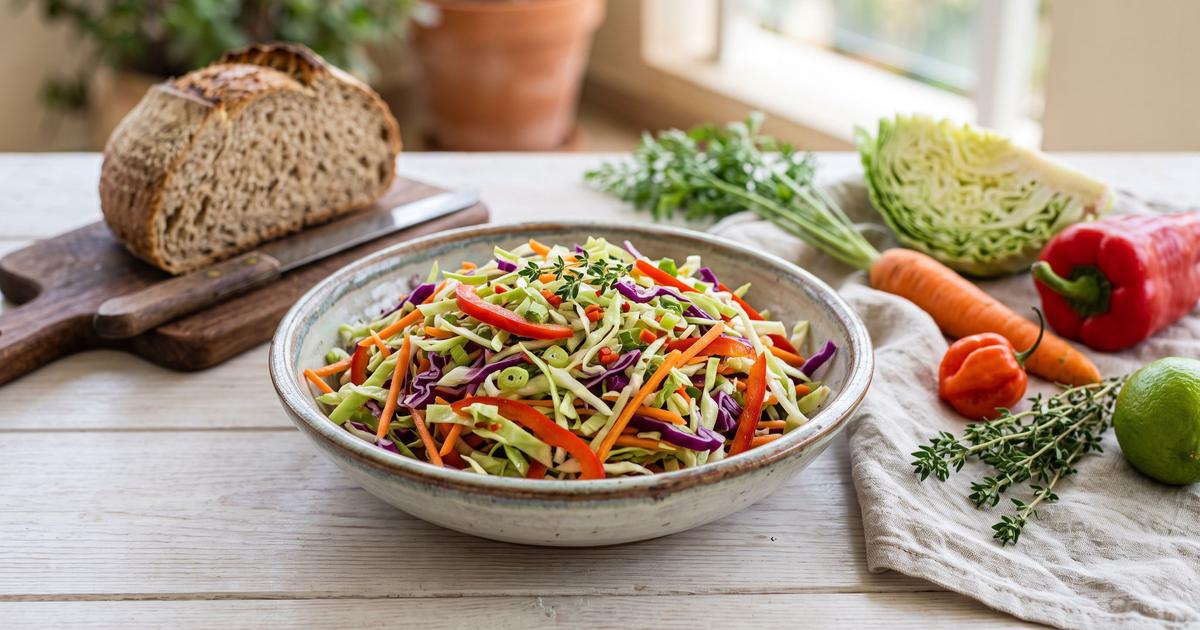
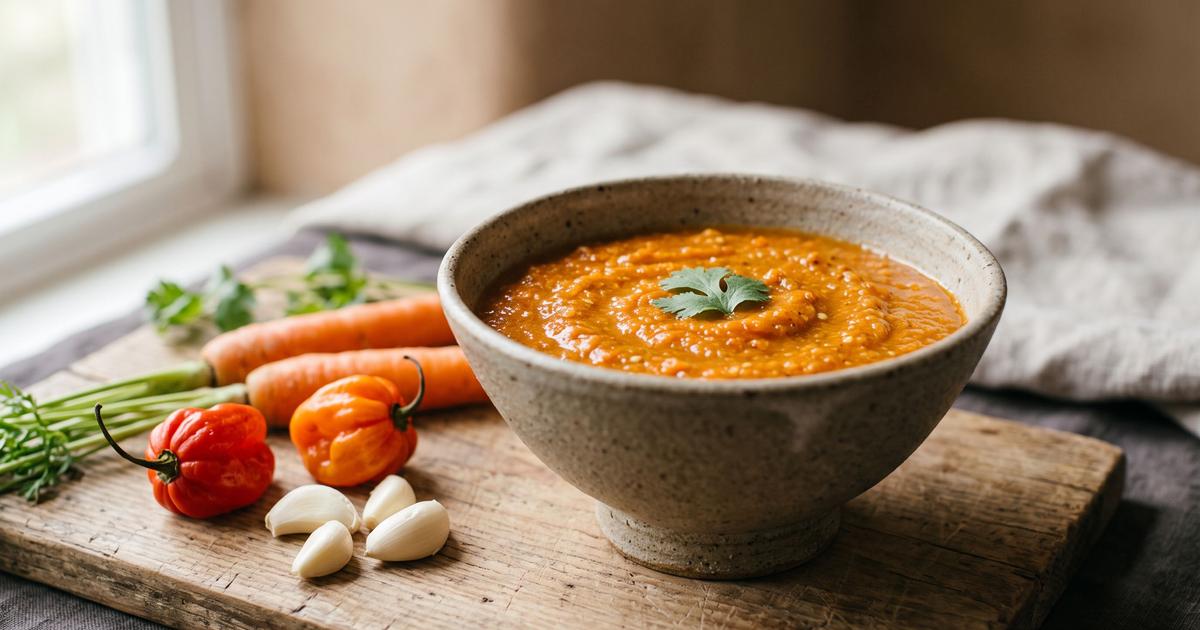
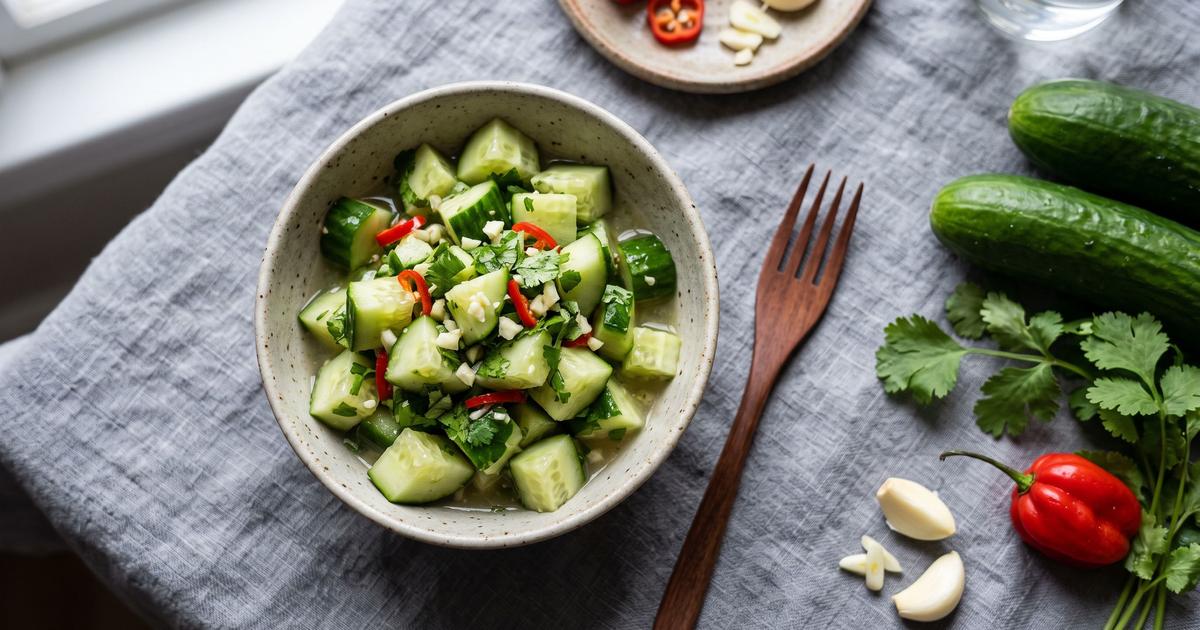
Pikliz is the fire on the Haitian table, a jar of cabbage and carrot pickled with Scotch bonnet that sits next to nearly every plate to cut through rich and starchy food. The name comes from the same root as pickles, and that is exactly what it is, a quick vinegar cure rather than a fermented one. It is usually salted, but the vinegar and lime carry more than enough seasoning on their own, and the Scotch bonnet does the rest, so nothing is lost by leaving the salt out. Habaneros stand in if you cannot find true bonnets. The only real rule is patience: pikliz made an hour ago is just spicy salad, while pikliz that has sat a few days has mellowed and married into something you reach for again and again. Keep the seeds in for the authentic burn, and spoon the sharp brine over your plate like a hot sauce.
Ingredients
- 4 cups green cabbage, shredded very thin
- 2 Carrots, julienned or grated
- 1 Bell pepper, cut into thin strips
- 2 Shallots, sliced thin
- 2 Habaneros, Scotch bonnet if available, sliced thin
- 3 cloves Garlic, sliced
- 4 wholes Cloves
- 1 tsp Black peppercorns
- 3 tbsp Lime juice
- 1 1/2 cups White wine vinegar
Method
- Toss the cabbage, carrot, pepper, shallot, chile, and garlic together in a large bowl. Slice everything as thin as you can, since thin shreds pack tight into the jar and pickle evenly all the way through.
- Pack the vegetables firmly into a clean quart jar, tucking in the whole cloves and peppercorns as you go. Press down hard so they settle with as little air as possible, which keeps the pickle crisp.
- Squeeze in the lime juice, then pour in the vinegar until the vegetables are fully submerged. The acid is doing all the work here, curing the vegetables and seasoning them in place of any salt.
- Wear gloves while you handle the Scotch bonnets, and leave the seeds in if you want the full furious heat that pikliz is known for. Removing them tames it to something merely lively.
- Seal the jar and refrigerate at least 24 hours, and better after two or three days. The wait is not optional, since the vegetables need time to soften slightly and drink up the fiery brine.
- Serve a forkful alongside beans, rice, or roasted vegetables, using a little of the brine as a hot dressing. It keeps for weeks in the fridge and only gets better.
Nutrition
Estimated per serving: 20 calories, 1 g protein, 2 g fiber, 15 mg sodium. Computed from USDA FoodData Central reference values for the main ingredients. This is an approximation, not a laboratory measurement. How these are computed.
Cost per serving is estimated from US national-average retail prices for cheap staple forms, using BLS dried-bean prices and USDA produce prices. Prices vary by store and season, so treat it as a guide, not a receipt. How this is computed.