Fasolada
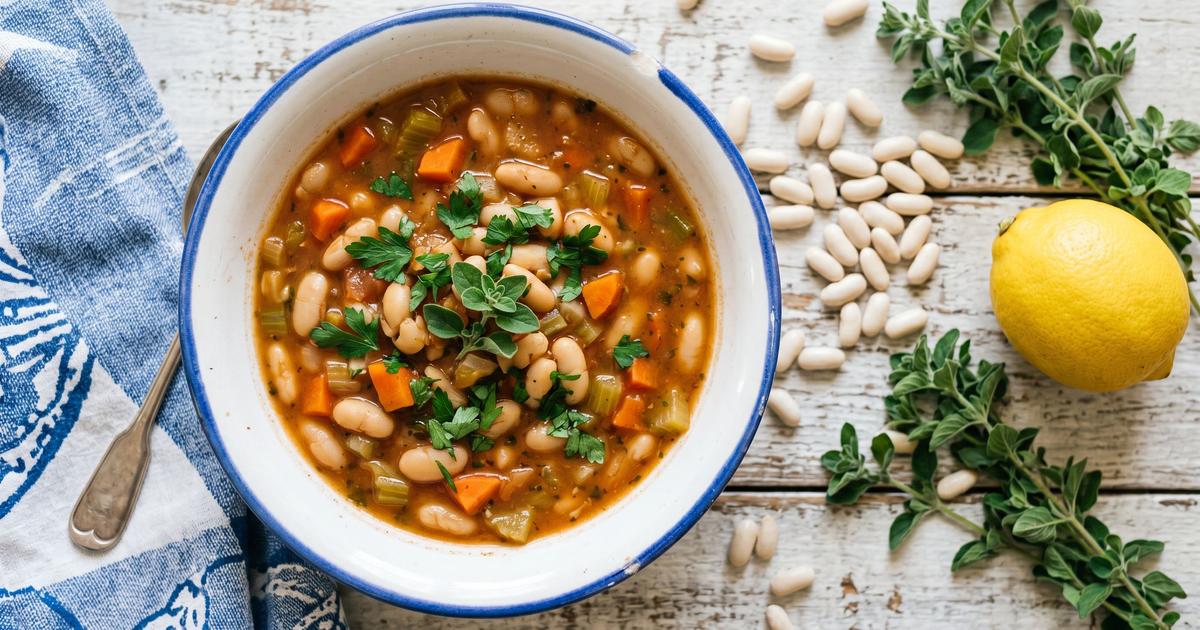
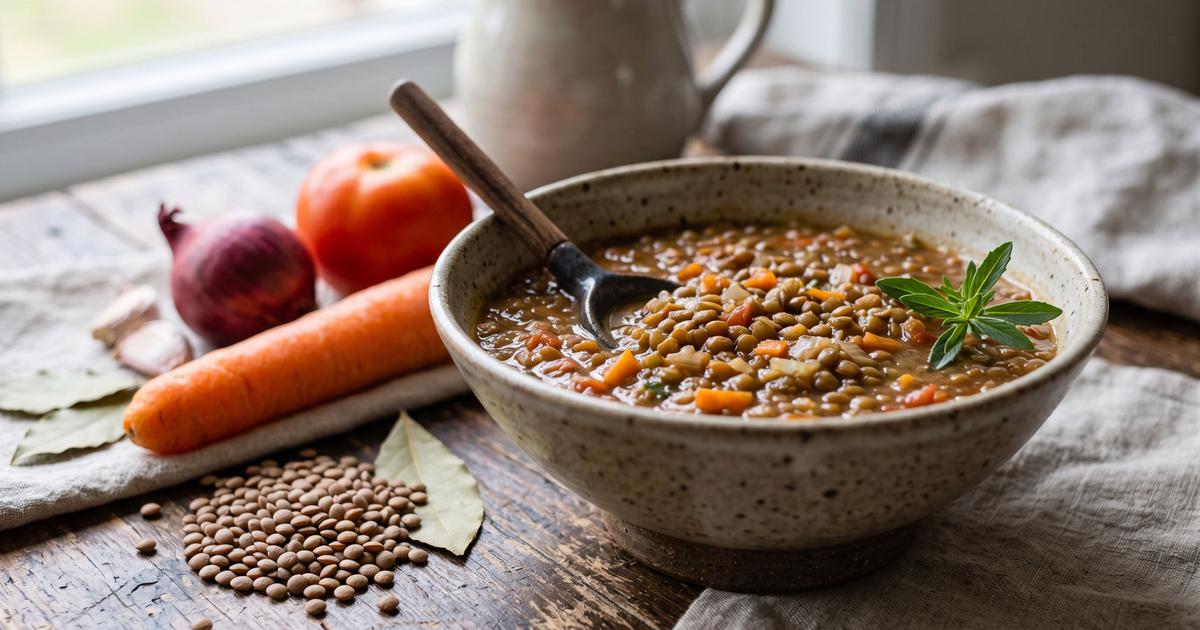
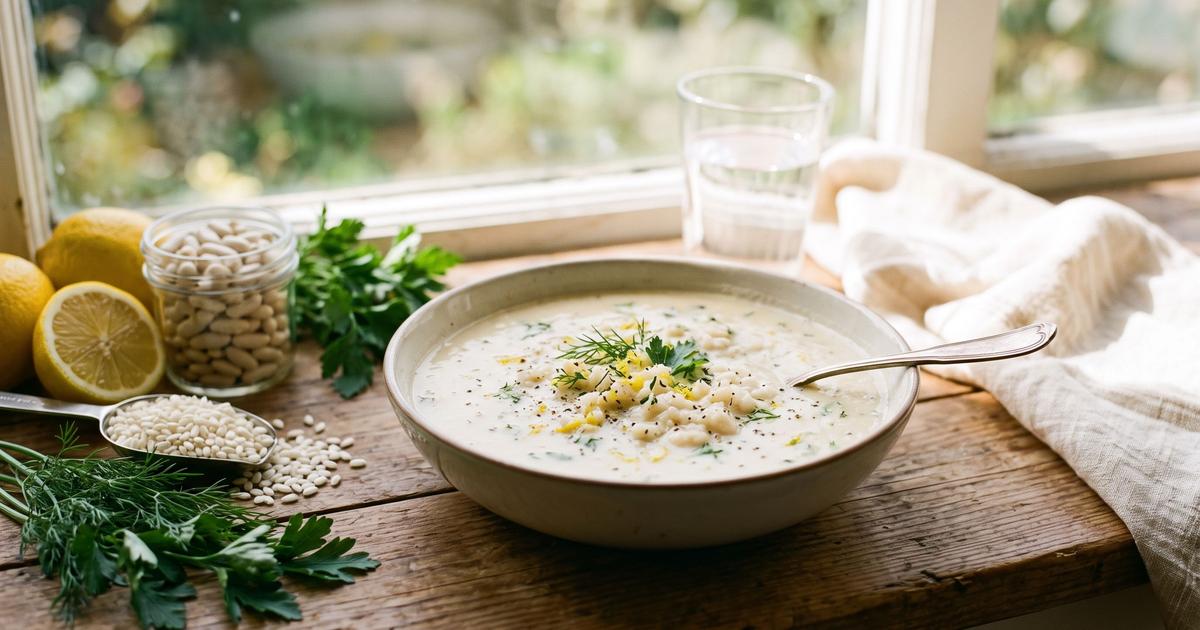
Fasolada is often called Greece's national dish, built from little more than dried beans, root vegetables, and tomato simmered for a long time. The trick to a rich, oil-free broth is patience: cannellini beans shed starch as they cook, and that starch is what thickens the soup into something that coats a spoon on its own. Bay leaf and oregano go in early so they have time to bloom in the liquid; lemon juice goes in last, off the heat, so its brightness survives instead of boiling away.
Ingredients
- 1 1/2 cups Cannellini beans, dried, soaked overnight
- 1 Yellow onion, diced
- 3 Carrots, sliced into rounds
- 3 stalks Celery, sliced
- 4 cloves Garlic, minced
- 2 Bay leaves
- 1/2 tsp Black peppercorns, freshly ground
- 2 tbsp Tomato paste
- 1 1/2 cups Canned crushed tomatoes
- 1 tsp Dried oregano
- 1/3 cup Flat-leaf parsley, chopped
- 2 tbsp Lemon juice
Method
- Cover the soaked cannellini beans with fresh water by 2 inches in a large pot. Bring to a boil, skim any foam, then reduce to a bare simmer.
- Add the onion, carrot, celery, garlic, bay leaves, and half the black pepper. Simmer uncovered for 45 minutes: this is where the vegetables give up their sweetness straight into the beans, no saute needed.
- Stir in the tomato paste and let it cook into the broth for 2 minutes. Even in liquid it darkens from sharp to deep red as it loses its raw edge.
- Add the crushed tomatoes and dried oregano. Simmer uncovered for another 30 to 40 minutes, until the beans are fully tender and the broth has reduced and thickened around them.
- Mash a few spoonfuls of beans against the side of the pot and stir them back in. This is the only thickening the soup needs: no roux, no cream standing in for one.
- Off the heat, stir in the lemon juice, most of the parsley, and the remaining black pepper. Taste before reaching for salt: the tomato and lemon usually carry the dish on their own.
- Ladle into bowls and scatter the rest of the parsley over the top.
Nutrition
Estimated per serving: 220 calories, 11 g protein, 11 g fiber, 140 mg sodium. Computed from USDA FoodData Central reference values for the main ingredients. This is an approximation, not a laboratory measurement. How these are computed.
Cost per serving is estimated from US national-average retail prices for cheap staple forms, using BLS dried-bean prices and USDA produce prices. Prices vary by store and season, so treat it as a guide, not a receipt. How this is computed.